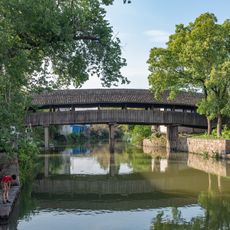
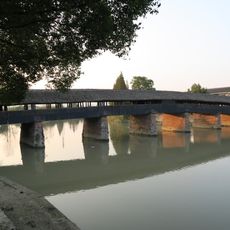
Tuoshan Weir, Ancient water management structure in Haishu District, China
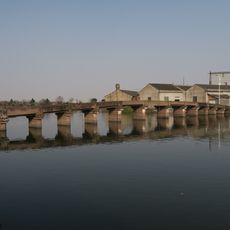
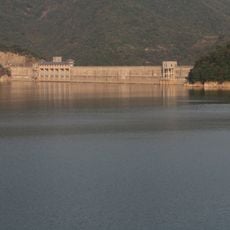
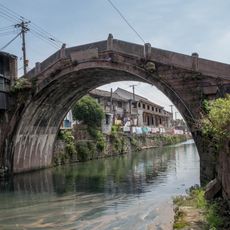
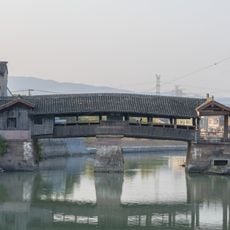
Tuoshan Weir is a stone structure with iron reinforcements spanning the Yinjiang River, featuring a wide crest for water management. The construction channels water across a large agricultural region while blocking saltwater from entering freshwater sources.
Wang Yuanwei, magistrate of Yin County, built the weir in 833 during the Tang dynasty after the earlier Zhongxia Weir proved inadequate. It divided the Yinjiang River, storing fresh water for 240,000 mu across seven townships while blocking tidal saltwater from the Fenghua River. The weir was later integrated into a system of sluices and ponds, and in 2015 it was named a World Irrigation Engineering Heritage site.
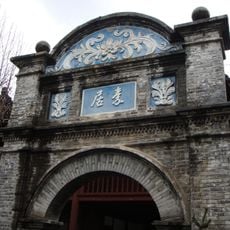
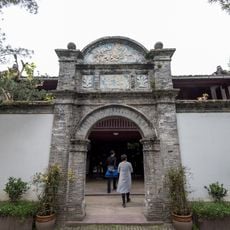
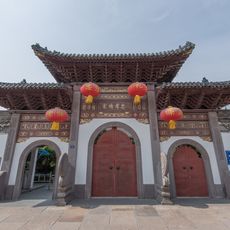
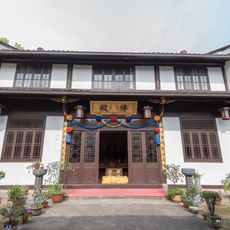
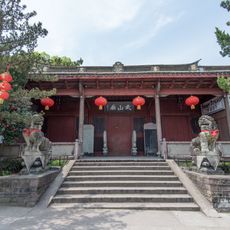
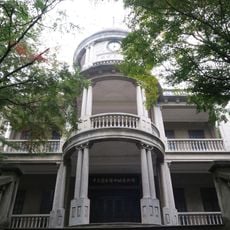
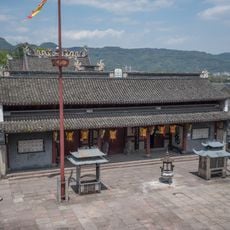
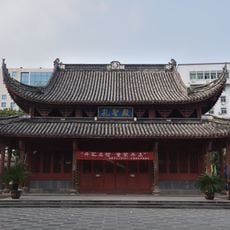
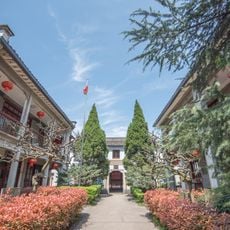
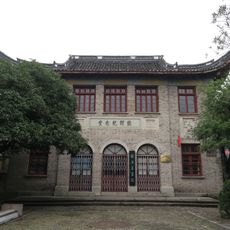
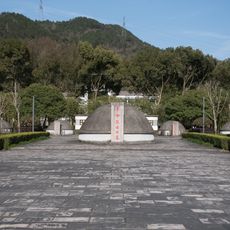
The Yide Temple on Tashan hill, rebuilt in 1948, holds a statue of magistrate Wang Yuanwei and the ten builders said to have died during the weir's founding. Festivals are held in Yinjiang on the third day of the third lunar month, the sixth day of the sixth month and the tenth day of the tenth month, the last two marking Wang's birthday and the legendary foundation day.
The site is accessible from nearby paths and offers viewpoints along the structure for observation. Visit during dry weather to get a clear view of the entire construction and its layout.
The weir's base tilts upstream at about 5 degrees, which helps it resist sliding. Drilling in 1991 found rust beneath the stone slabs, matching the 'smelted iron and poured it' recorded in the 1220s Baoging Siming Gazetteer. The southern end rests directly on bedrock and is only 1.8 to 2.0 metres thick.
The community of curious travelers
AroundUs brings together thousands of curated places, local tips, and hidden gems, enriched daily by 93,816 contributors worldwide.