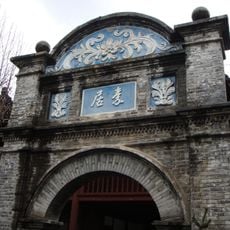
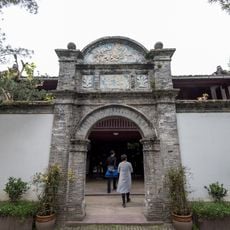
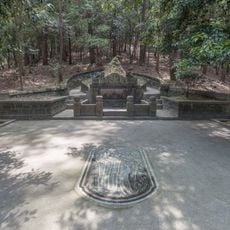
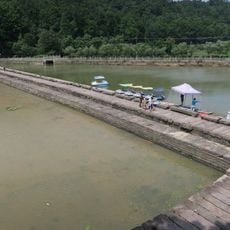
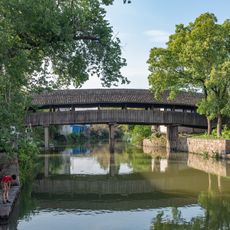
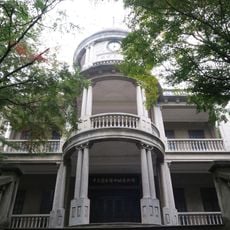
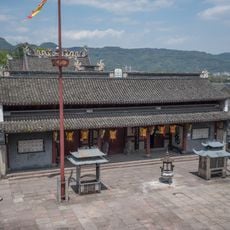
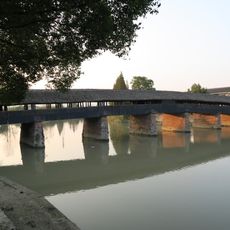
Mohe Temple, Xikou, Buddhist temple in Fenghua District, China
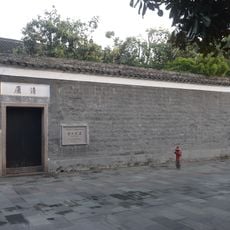
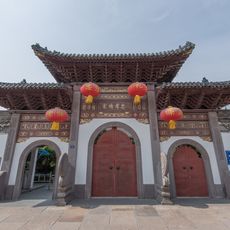
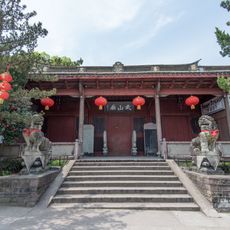
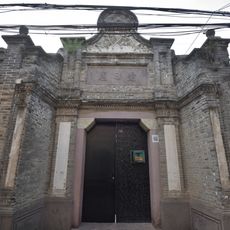
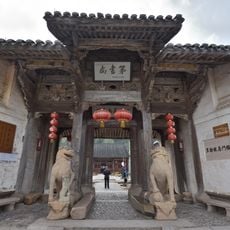
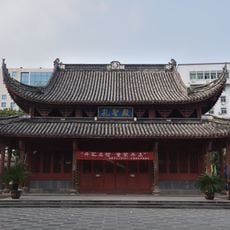
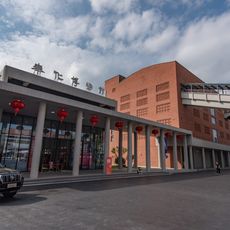
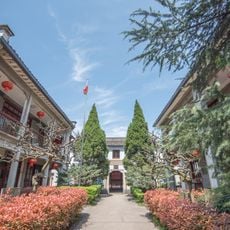
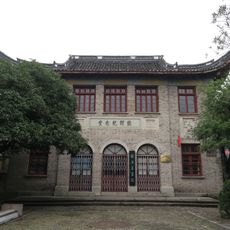
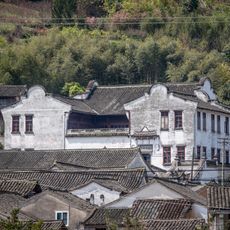
Mohe Temple is a Buddhist sanctuary in Fenghua with multiple prayer halls arranged around courtyards, each decorated with hand-carved details and traditional ornaments. The layout follows classical Chinese design principles, with curved roofs and columns organizing the internal spaces into distinct sections.
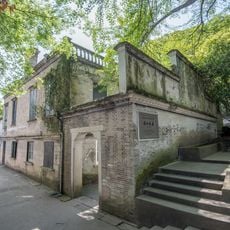
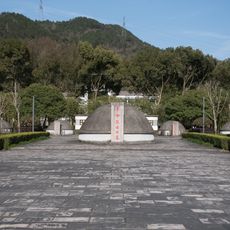
Mao Fumei, Chiang Kai-shek's first wife, built Mohe Hall in 1931 to enshrine Jiang Zongba, a Later Liang ancestor of the Wuling Jiang family known as "Mohe Jushi". After Mao was killed in a Japanese air raid on 12 December 1939, her coffin was placed here; in December 1946 she was formally buried east of the hall. In 2006 the site was included in the Xikou town building complex under the national protection of the Chiang family residence.
The name Mohe comes from Jiang Zongba, an ancestor of the Wuling Jiang family whom the hall enshrines; he was called "Mohe Jushi" after studying under the monk Budai. The hall was built in 1931 by Mao Fumei, Chiang Kai-shek's first wife, as a place for the family's women to chant sutras. Since 1989 it has again served for ancestral rites, and Jiang family descendants such as Jiang Xiaoyan have come to pay respects.
The hall sits at the corner of Caishen Lane and Zhongma Road in central Xikou, with the hall facing west and the tomb and its lodge entered through a gate in the southeast corner. The compound measures 132.4 m east-west by 53.6 m north-south, so allow time to cross between the hall and the grave. Two 500-year-old camphor trees from the former Yangsong Garden stand in the courtyard.
The two camphor trees flanking the side halls are about 500 years old and are the last survivors of Yangsong Garden, the pine-and-camphor garden where Chiang Ching-kuo played as a child before the temple was built in 1931.
The community of curious travelers
AroundUs brings together thousands of curated places, local tips, and hidden gems, enriched daily by 94,557 contributors worldwide.