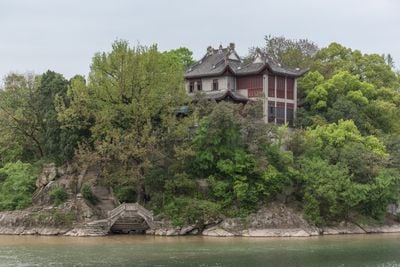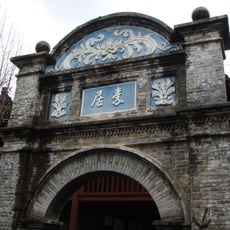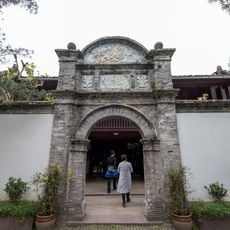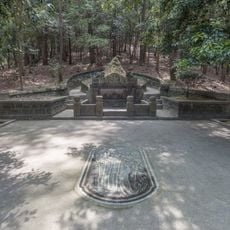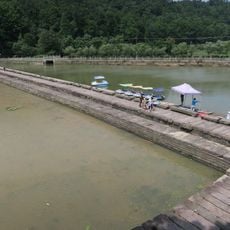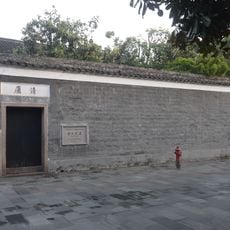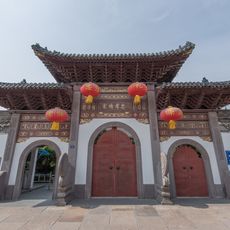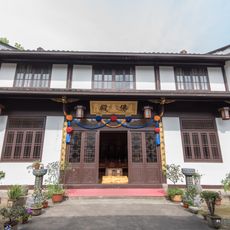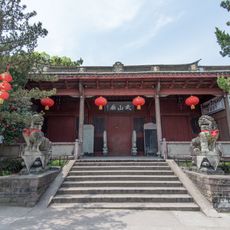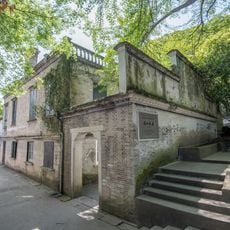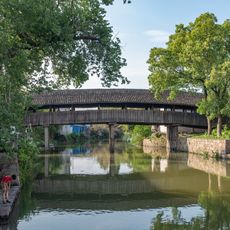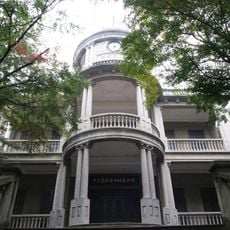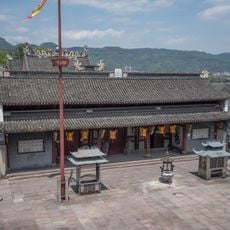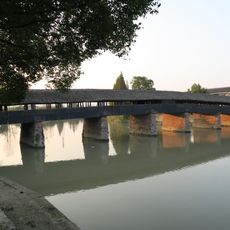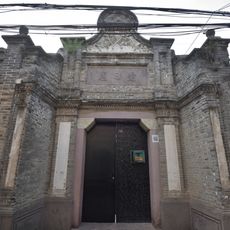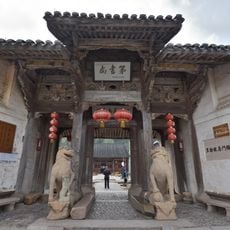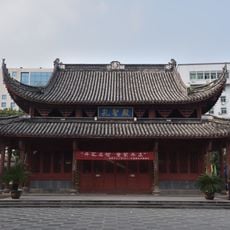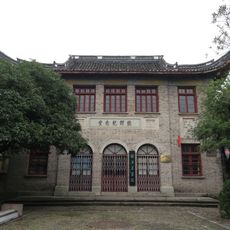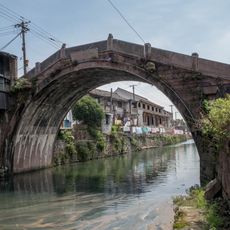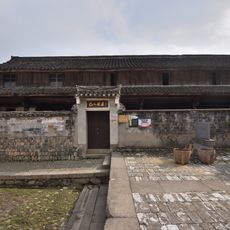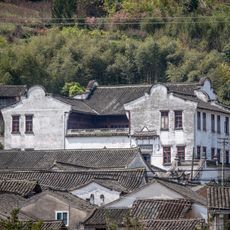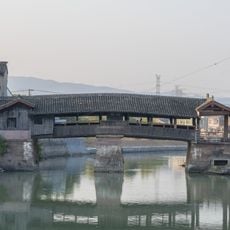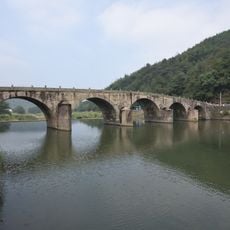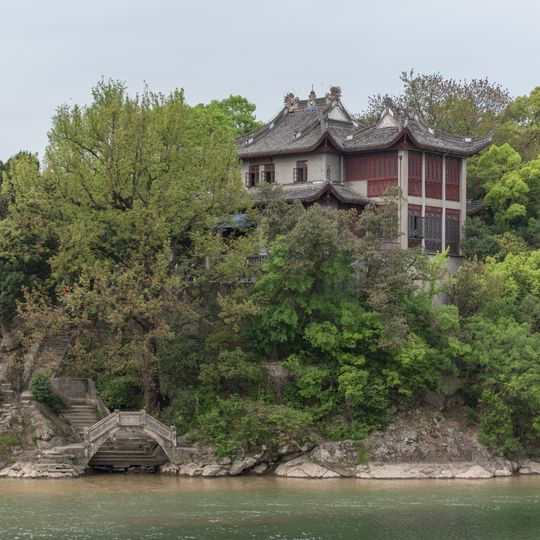
Wenchang Pavilion, National heritage building in Xikou, Fenghua District, China.
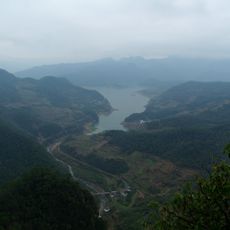
Wenchang Pavilion features two-story traditional Chinese architecture with upturned eaves, ornate wooden beams, and decorative carvings that exemplify Qing Dynasty construction techniques atop Tandun Mountain overlooking the surrounding landscape.
Originally constructed in 1731 during Emperor Yongzheng's reign, the pavilion was renovated by Chiang Kai-shek in 1924, destroyed by Japanese bombing in 1939, and faithfully reconstructed by the Chinese government in 1986.
The structure served as a gathering place for local scholars and literary figures throughout centuries, promoting education and intellectual exchange while honoring Wenchang, the celestial deity of literature and scholarly success.
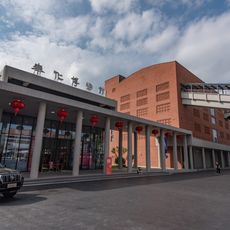
The pavilion is open to visitors year-round from early morning until dusk and is located within the Former Residence of Chiang Kai-shek complex, accessible via walking paths in the Xikou area.
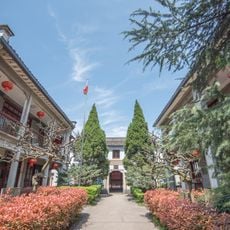
Interior rooms preserve the living quarters and bedrooms where Chiang Kai-shek and Song Meiling stayed during visits, offering direct insight into the personal routines of these prominent 20th-century Chinese political figures.
The community of curious travelers
AroundUs brings together thousands of curated places, local tips, and hidden gems, enriched daily by 91,398 contributors worldwide.