Imperial Mausoleum of the Ming Dynasty, Ming Dynasty imperial burial site in Anhui, China
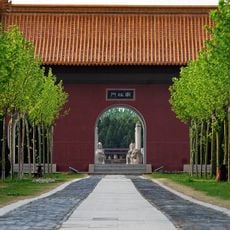
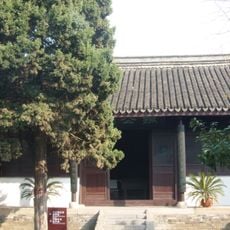
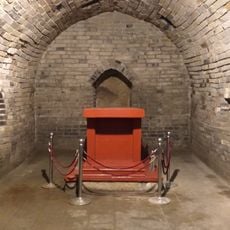
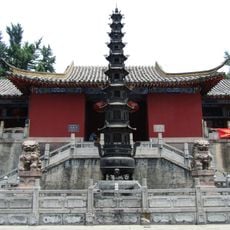
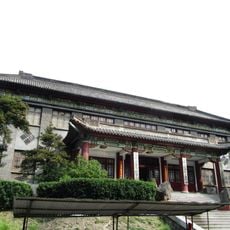
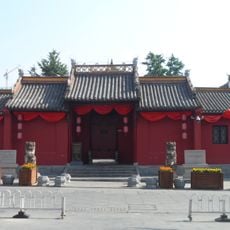
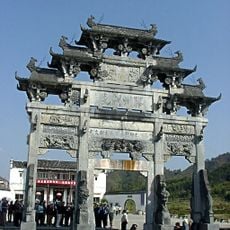
The Imperial Mausoleum of the Ming Dynasty is a burial complex for the first Ming emperor, spread across a large area with natural landscape and stone structures integrated throughout. The site includes gates, walls, ceremonial pathways, and carved stone elements arranged in a traditional layout.
Construction took place between 1381 and 1409, creating the final resting place for Zhu Yuanzhang, the founder of the Ming Dynasty. The building methods and design choices reflect the architectural advancement and cultural values of the early Ming period.
Stone carvings along the Sacred Way depict officials and animals, serving as markers of the emperor's symbolic journey to the afterlife. These sculptures reflect the reverence that the Ming Dynasty held for its rulers.
The site is best visited during mild seasons when weather is pleasant and pathways are easy to navigate on foot. Comfortable walking shoes are recommended since exploring the grounds requires traversing the area at your own pace.
The complex was recognized as a UNESCO World Heritage Site in 2003, notable for its documented construction methods that survive in historical records. These detailed accounts of how the site was built provide rare insight into Ming-era craftsmanship and engineering techniques.
The community of curious travelers
AroundUs brings together thousands of curated places, local tips, and hidden gems, enriched daily by 60,000 contributors worldwide.