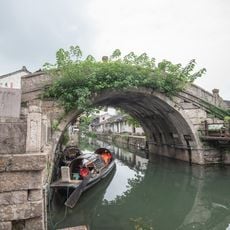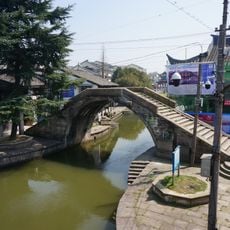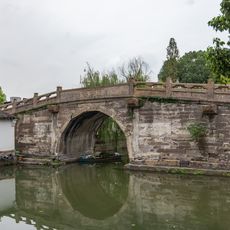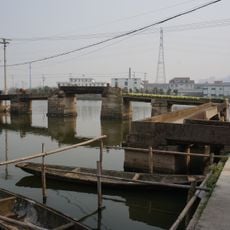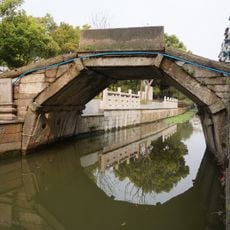
浙東運河繊道, Ancient towpath system along Grand Canal in Zhejiang, China.
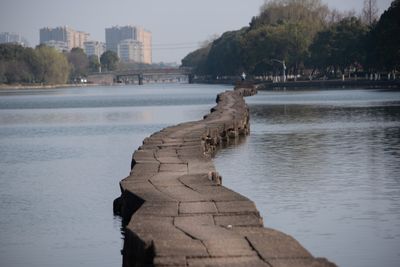
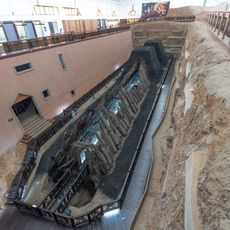
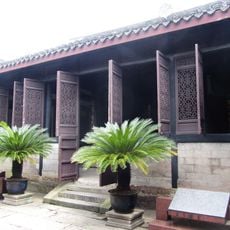
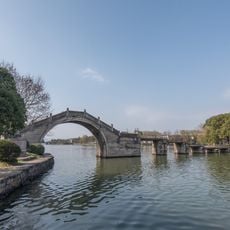
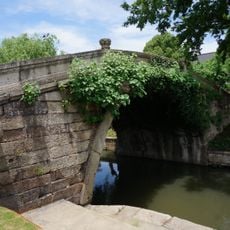
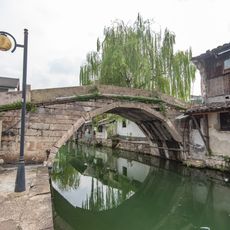
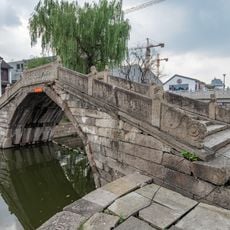
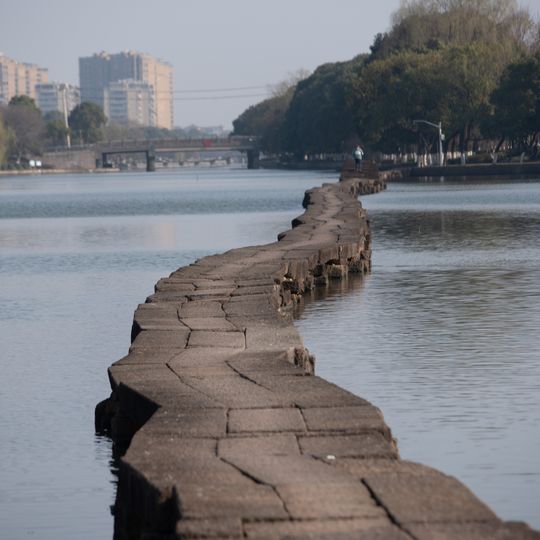
The Eastern Zhejiang Canal towpath is a network of stone pathways running alongside waterways where workers once pulled boats using ropes. The pathways feature worn grooves and anchor points carved into stone, showing where thick ropes were secured for the towing work.
The system originated during the Sui Dynasty in the 6th century and expanded significantly under later dynasties to move goods across the empire. It remained vital for regional commerce until modern transportation replaced water-based trade routes.
The towpath reveals how workers once pulled boats through the waterway using ropes, a labor-intensive job that sustained regional trade for centuries. This work shaped daily life and communities along the canal for generations.
Multiple sections of the pathways are open to visitors and feature information boards explaining the towing process. Walking is easiest during drier periods when water levels are lower and the stone surfaces are less slippery.
The stones themselves carry history in their worn grooves created by countless ropes sliding across them over centuries. These natural marks silently testify to the scale of labor that once powered the entire region's commerce.
The community of curious travelers
AroundUs brings together thousands of curated places, local tips, and hidden gems, enriched daily by 91,178 contributors worldwide.