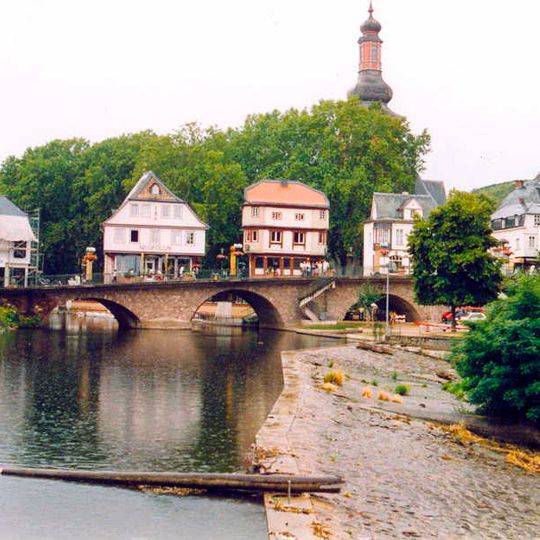
Nahe, Tributary river in Rhineland-Palatinate and Saarland, Germany
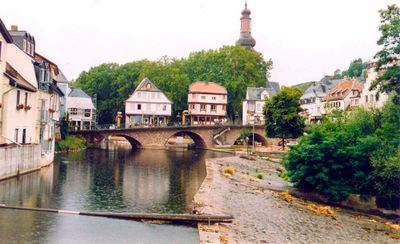
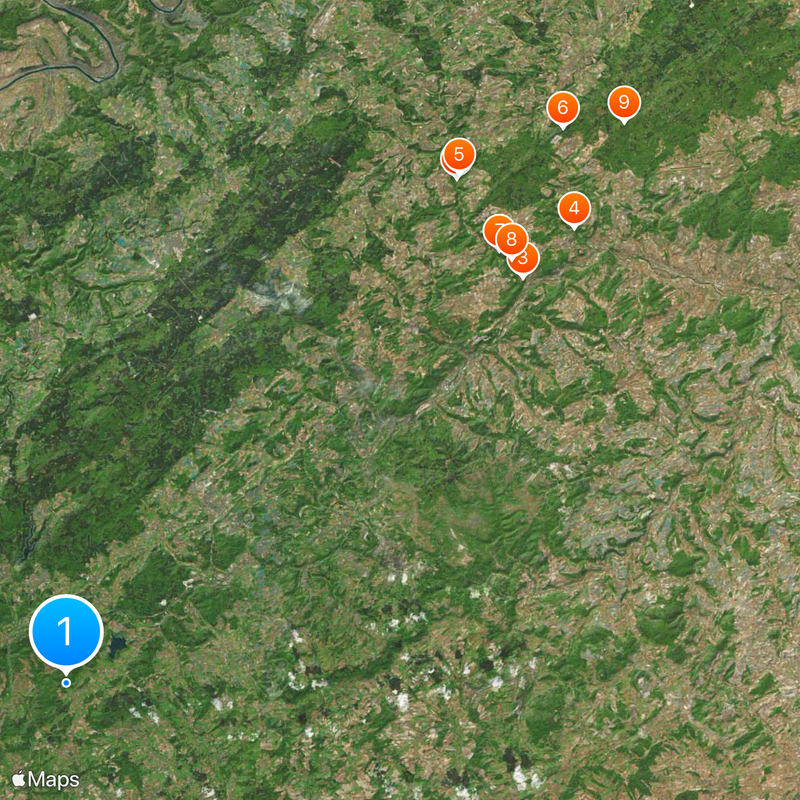
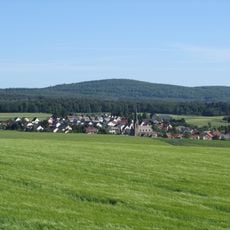
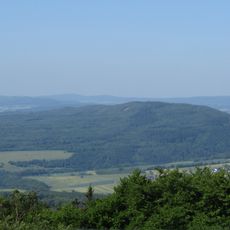
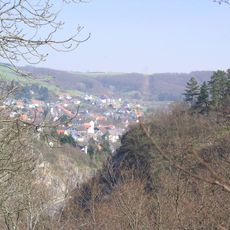
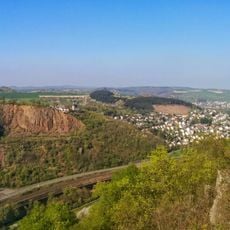
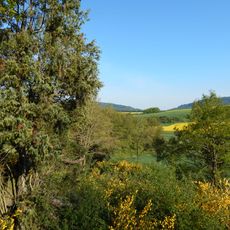
The Nahe is a river that winds through rolling hills for about 125 kilometers before flowing into the Rhine near Bingen. Its waters have carved out valleys and exposed various rock formations that shape the character of the surrounding landscape.
The river's name comes from the Latin word Nava, with roots in Celtic language referring to swift-flowing water. This ancient naming reveals that the waterway has been a notable feature of the region since prehistoric times.
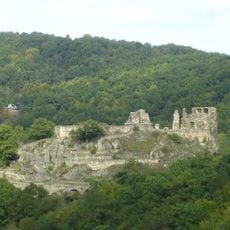
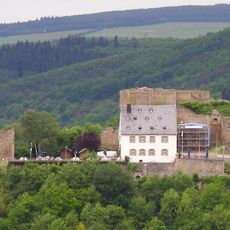
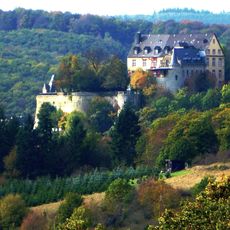
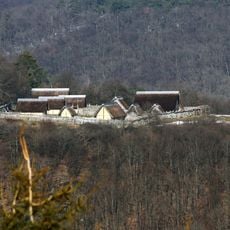
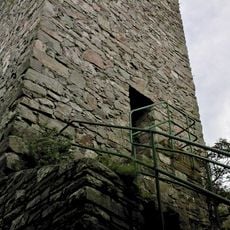
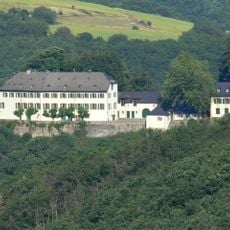
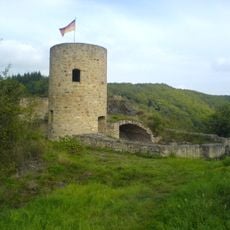
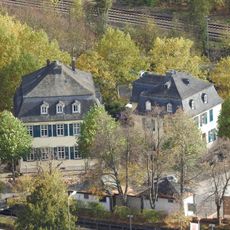
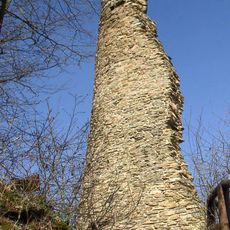
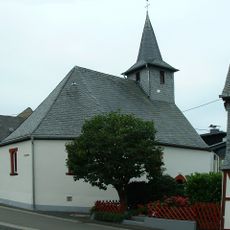
Medieval castles and monasteries line the river's course, shaping how the landscape appears today. These structures reflect centuries of settlement along the banks and remain central to how locals and visitors experience the region.
Water levels change significantly depending on the season and rainfall, which can cause flooding along the banks. Visitors should stick to established paths and check local conditions before entering the water.
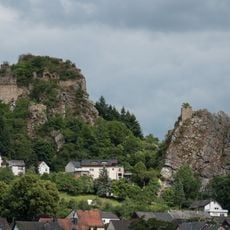
The river valley exposes volcanic rocks like rhyolite and andesite, evidence of ancient volcanic activity millions of years ago. These visible stone layers tell the story of the region's dramatic geological past and attract geology enthusiasts.
The community of curious travelers
AroundUs brings together thousands of curated places, local tips, and hidden gems, enriched daily by 92,742 contributors worldwide.