Hörde, quarter of Dortmund, Germany
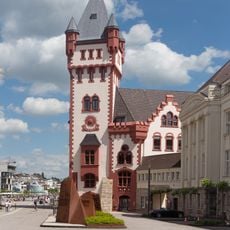
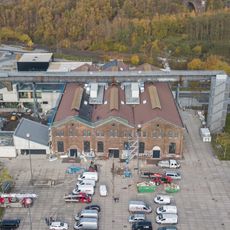
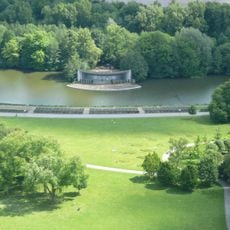
Hörde is a district on the southern edge of Dortmund that spans an extensive area containing former industrial zones and modern residential quarters. The neighborhood is shaped by the artificially created Phoenix lake, surrounded by parks and green spaces, as well as historic factory buildings that have been partially preserved or repurposed.
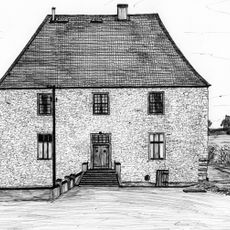
Hörde was first documented in 1198 and developed around the medieval fortress Hörder Burg, built in the 12th century. In 1340, the settlement received city rights, which sparked a prolonged rivalry with neighboring Dortmund resulting in destruction from wars and fires.
The name Hörde originates from medieval times and references the marshlands that once characterized the area. Street names such as Weingartenstraße and Winzerweg today still recall the tradition of cultivating grapes on hillsides near the Emscher river.
The district is easily accessible by public transport, with Hörde station serving as a major connection point for travel to downtown and Borussia stadium. Visitors can explore the area comfortably on foot or by bicycle thanks to numerous pathways around Phoenix lake and good cycling routes.
The landmark Schlanke Mathilde is a historic clock that once marked the center and today still recalls the district's urban past. This timepiece was a popular gathering point and remains a symbol of the neighborhood's identity.
The community of curious travelers
AroundUs brings together thousands of curated places, local tips, and hidden gems, enriched daily by 92,749 contributors worldwide.