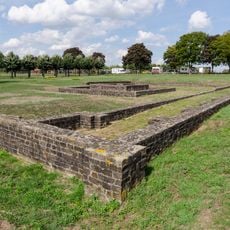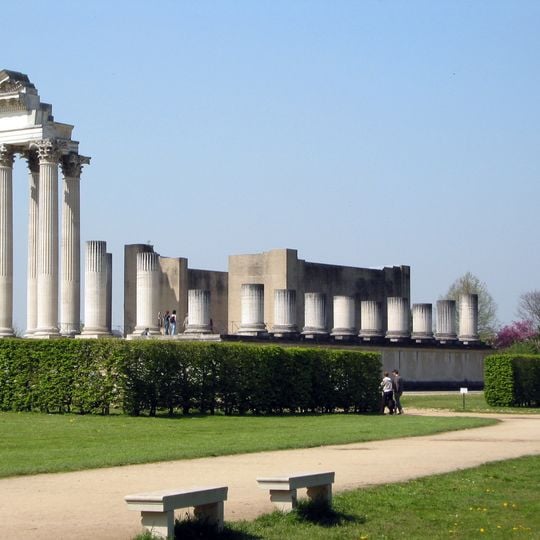
Colonia Ulpia Traiana, Roman settlement remains in Xanten, Germany
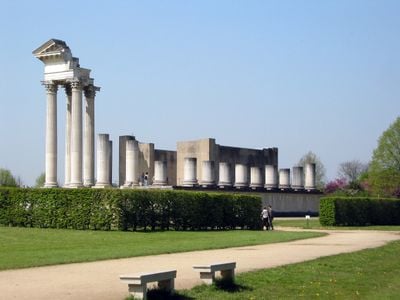
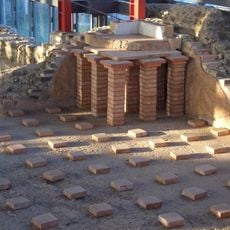
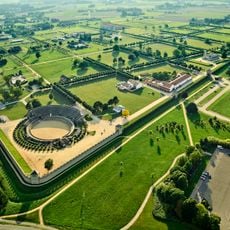
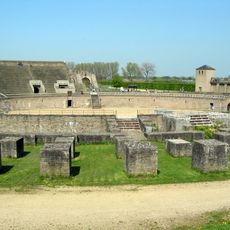
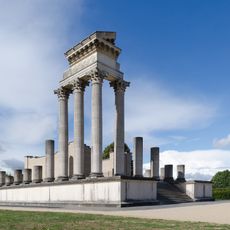
Colonia Ulpia Traiana features well-preserved structures including an amphitheater, public baths, temples, and a harbor temple, spread across a site covering approximately 180 acres (73 hectares) with a reconstructed Roman city layout.
Founded as a colonia under Emperor Trajan between 98 and 107 CE, the city grew from earlier military camps established around 13 and 12 BCE and reached a population exceeding ten thousand residents during its peak in the second century.
The settlement served as an administrative and commercial center in Germania Inferior, granting its residents full Roman citizenship and legal privileges while fostering a diverse population including Romans, Germanic tribes, and Gauls who engaged in extensive trade and cultural exchange.
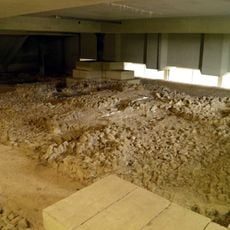
The archaeological park contains reconstructed artisan dwellings, interactive displays, and a museum that provides educational resources about Roman urban planning, daily life, and military organization, with many original artifacts and ongoing excavation activities available for public viewing.
The site is part of the Lower Germanic Limes UNESCO World Heritage designation, recognized for its role as a historical border of the Roman Empire along the Rhine River and its importance in demonstrating Roman frontier engineering and defense strategies in northern Europe.
The community of curious travelers
AroundUs brings together thousands of curated places, local tips, and hidden gems, enriched daily by 90,803 contributors worldwide.