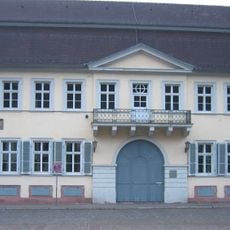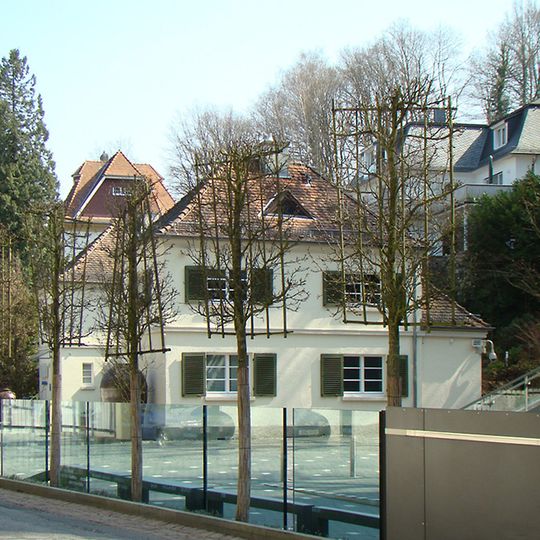
Carl Bosch Museum Heidelberg, Technology museum in Heidelberg, Germany
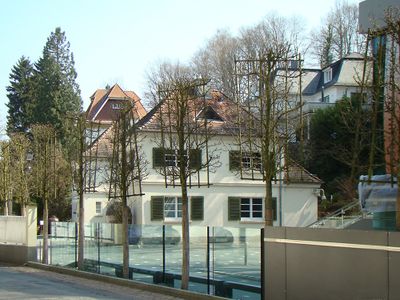
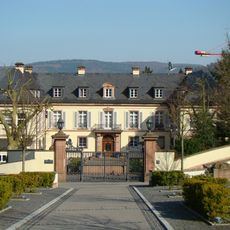
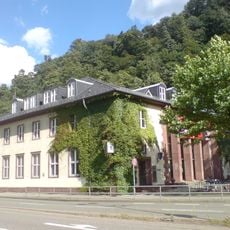
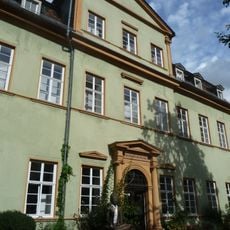
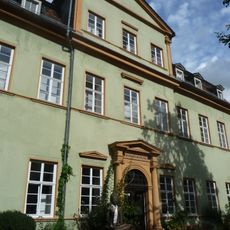
The Carl Bosch Museum is housed in a former chauffeur residence and garage building at Schloss-Wolfsbrunnenweg 46, using indoor and outdoor spaces across about 300 square meters. The rooms document the scientific work and personal story of the Nobel Prize winner.
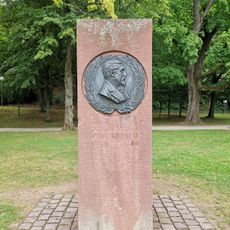
The museum opened in 1998 to document the life of Carl Bosch, who won the Nobel Prize in Chemistry in 1931. The award recognized his pioneering work on high-pressure synthesis processes used in industry.
The exhibition is arranged in stations named Lebenslauf, Wirtschaftsführer, Privatmann, Nobelpreisträger, Forschungslabor, Hochdruckwerkstatt, Industrieanlagen and Limburgerhof. They follow Bosch from laboratory experiments to the building of huge high-pressure industrial plants, and record the economic and political consequences, including the role of I.G. Farben under National Socialism.
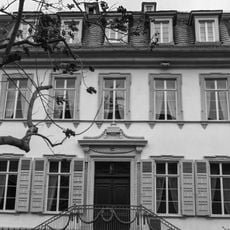
The museum occupies the former chauffeur flat and garage at Schloss-Wolfsbrunnenweg 46, spread over two floors and two outdoor areas. Carl Bosch's own villa stands 300 metres east at Schloss-Wolfsbrunnenweg 33 and is not part of the museum. Allow time for both the indoor stations and the outdoor displays.
The museum occupies a building that once served as housing for Carl Bosch's chauffeurs and as a garage for his automobiles. Bosch's former residence, Villa Bosch, stands 300 metres further east at Schloss-Wolfsbrunnenweg 33.
The community of curious travelers
AroundUs brings together thousands of curated places, local tips, and hidden gems, enriched daily by 93,896 contributors worldwide.