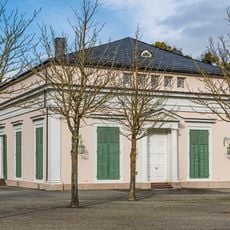
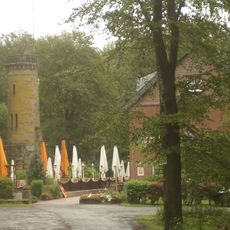
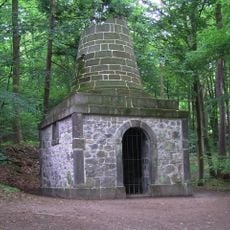
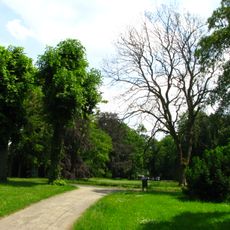
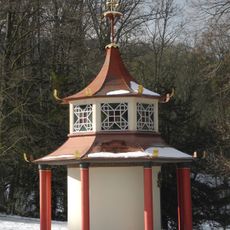
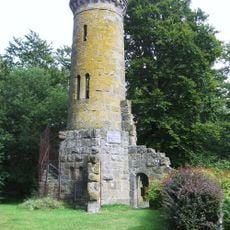
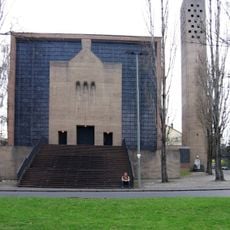
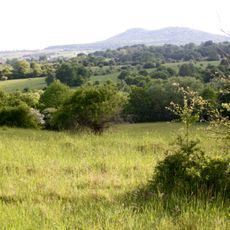
Augustinerchorfrauenstift Weißenstein, zeitweise Doppelstift, Medieval monastery at Habichtswald slopes in Kassel, Germany.
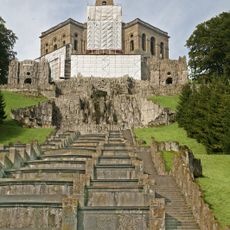
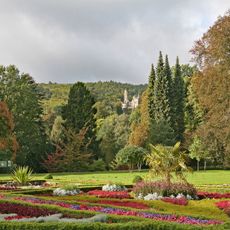
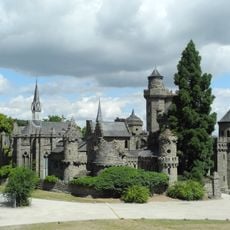
The Augustinerchorfrauenstift Weißenstein is a convent built on white limestone rocks above the village of Wahlershausen and features medieval architectural forms. The complex includes buildings from different periods that reflect the long history of the foundation.
The foundation was established around 1137 for canons and transformed into a double monastery by 1184, becoming exclusively female by 1193. After the introduction of the Reformation in Hesse in 1526, the convent ceased its operations.
The convent was known in the region for its connection to the Mainz Archdiocese and enjoyed special protection through the veneration of Saint Martin. The monks and nuns shaped the religious life of surrounding communities through their daily prayers and liturgical celebrations.
The site is located on elevated ground with limestone formations that serve as natural landmarks. Visitors should wear sturdy footwear since the paths on the slope can be uneven.
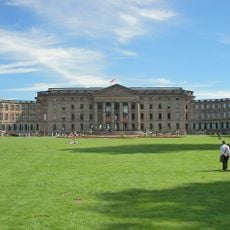
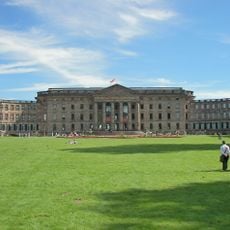
The nuns left the convent after the Reformation and relocated to other religious institutions, scattering the community. The site later became a hunting lodge for the Landgraves and marks the origin of present-day Wilhelmshohe Palace.
The community of curious travelers
AroundUs brings together thousands of curated places, local tips, and hidden gems, enriched daily by 92,824 contributors worldwide.