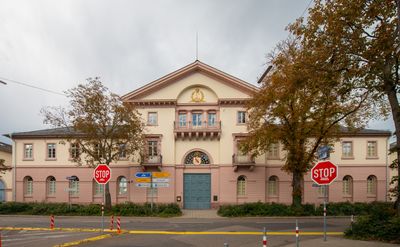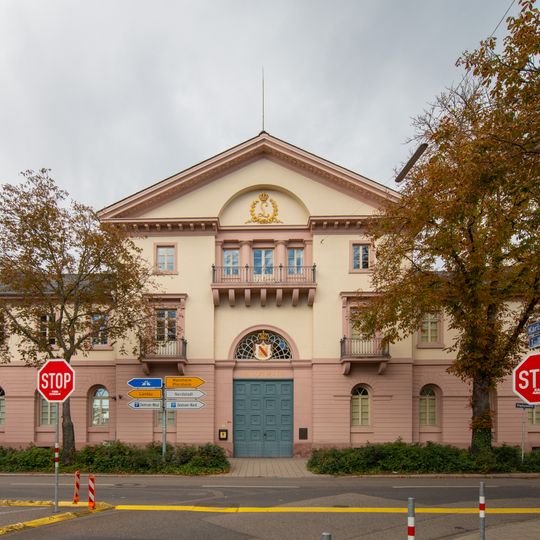
State Mints of Baden-Wuerttemberg, Cultural heritage monument and mint in Karlsruhe, Germany.
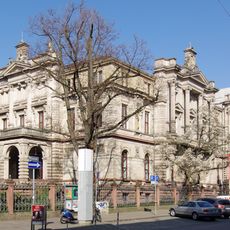
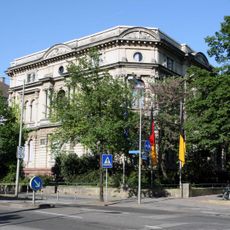
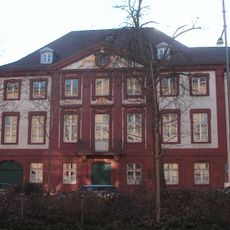
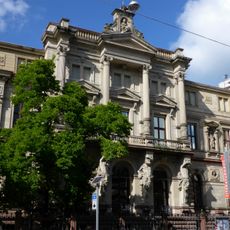
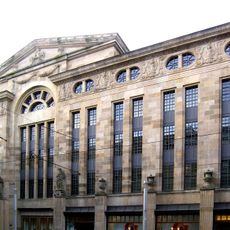
The State Mints of Baden-Wuerttemberg is an active coin production facility housed in a classical building designed by Friedrich Weinbrenner at Stephanienstrasse 28a in central Karlsruhe. Today it manufactures roughly 38 percent of Germany's circulating coins in partnership with the Stuttgart facility.
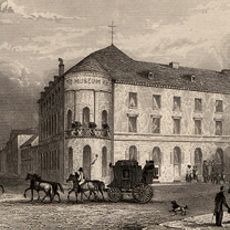
The mint was founded in 1827 and initially produced five-gulden coins made from Rhine gold, which featured the portrait of Grand Duke Ludwig of Baden. Over the following decades it grew into a significant production center and has continued minting currency for circulation ever since.
The facility uses the mint mark 'G', a designation rooted in the historical ranking system of German mints that visitors can spot on modern coins produced here. This marking connects the daily work today directly to decisions made over a century ago.
The location is in central Karlsruhe and easily accessible by foot or public transport from the main train station. Keep in mind this is an active production facility, so visiting hours and access may vary depending on operational needs.
During the 1970s the facility became the center of a major scandal when its director secretly reproduced rare coins without authorization, deceiving collectors. This episode made it the subject of one of Germany's most notorious numismatic controversies.
The community of curious travelers
AroundUs brings together thousands of curated places, local tips, and hidden gems, enriched daily by 91,519 contributors worldwide.