Kunststation Villa Moser, Art venue and park in Stuttgart, Germany
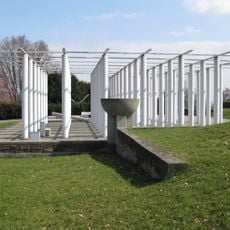
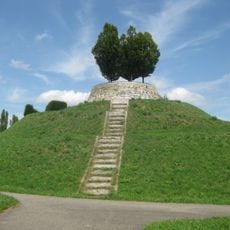
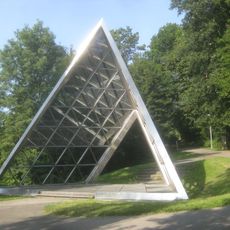
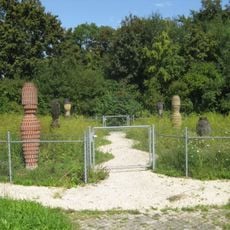
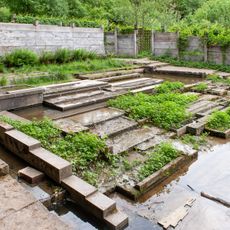
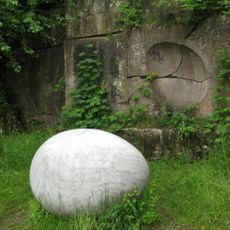
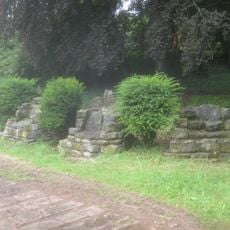
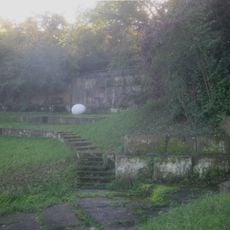
Kunststation Villa Moser is a set of wooden walkways and structures by architect Hans Dieter Schaal, built for the 1993 International Garden Exhibition around the ruins of Villa Moser in Stuttgart's Leibfriedscher Garten. The villa, destroyed in 1944, survives as a section of the basement facade with an artificial grotto, two outdoor staircases, two fountain basins, and a pavilion base. The walkways keep visitors off the overgrown ground.
The villa was built in 1875 as a residence for chocolate manufacturer Eduard Otto Moser and was destroyed in a 1944 air raid. The ruins stand at the same location today and tell the story of war and the city's rebuilding.
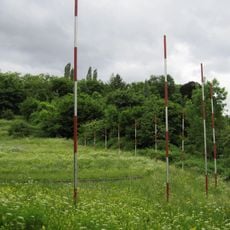
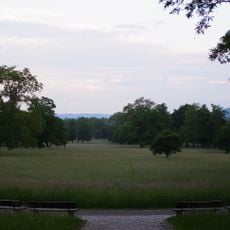
The place takes its name from its original residents and is now a meeting point where art objects stand among old trees and open lawns. The installation allows visitors to experience history through contemporary art.
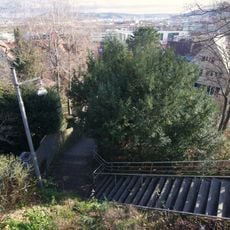
Access is through marked pathways that lead through the garden and connect to the different remnants of the complex. Visitors should wear comfortable shoes, as the ground is uneven and paths run beneath trees.
The wooden belvedere deliberately denies the distant view one expects; instead it frames partial glimpses of the overgrown wilderness around the ruin. The lookout atop the stair tower is a geometric open-air sculpture made only of edges, like a wireframe, and cannot be entered. Some installations read as a persiflage of the display needs of a wealthy bourgeoisie.
The community of curious travelers
AroundUs brings together thousands of curated places, local tips, and hidden gems, enriched daily by 94,649 contributors worldwide.