Weinberg am Klausberg, Vineyard and UNESCO World Heritage Site in Potsdam, Germany
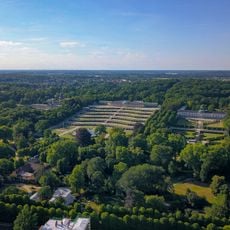
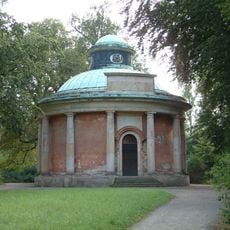
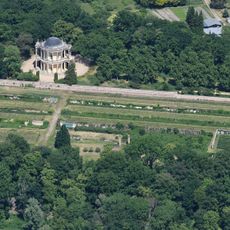
Weinberg am Klausberg is a walled hillside plot laid out in 1769 for Frederick the Great, measuring about 211 by 53 metres. Its eastern side holds three heated walls modelled on the Sanssouci terraces, planted with peaches, apricots and Neapolitan medlars; three earthen terraces with fruit trees lie to the west. The Belvedere stands above and the Dragon House below.
Frederick the Great founded this vineyard in 1769 as part of his royal garden plans on Klausberg hill. The Dragon House and Belvedere were built around the same time, shaping how the hill was used for wine and fruit growing.
The vineyard is woven into Potsdam's royal garden landscape and shows how wine and fruit cultivation were integrated into park design. Visitors can see how nature and architecture were meant to work together in this era.
The walled plot measures about 211 by 53 metres, with three hot walls in the eastern upper part and three earth terraces on the western slope. The Maulbeerallee runs along the southern edge toward Sanssouci; the Belvedere stands above and the Dragon House to the east. The terrain rises, so expect uneven ground.
The gardener Werley, a former guard from the Rhineland, was to plant the vineyard and pass on the wine-growing culture of his homeland. The Dragon House was built for him in Chinese style by Carl von Gontard, but it stood empty because his plan was never carried out.
The community of curious travelers
AroundUs brings together thousands of curated places, local tips, and hidden gems, enriched daily by 93,661 contributors worldwide.