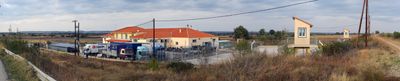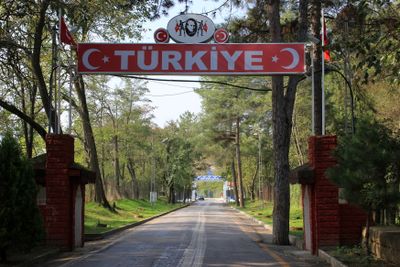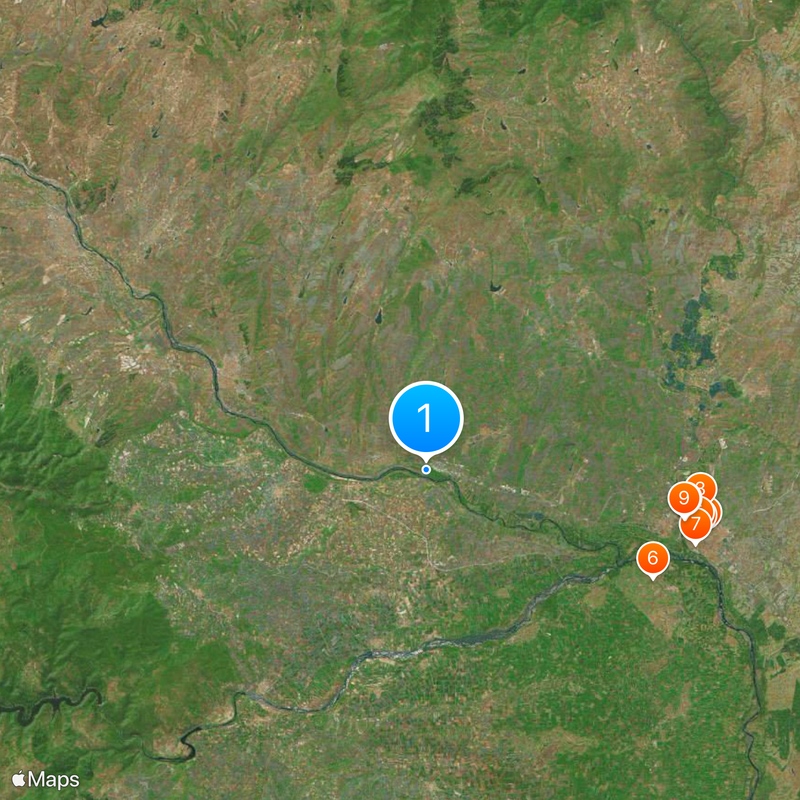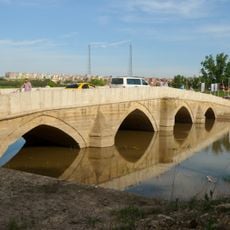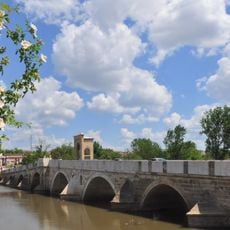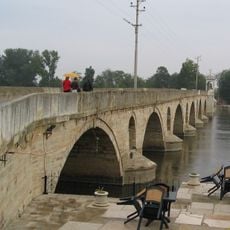
Greece–Turkey border, International border with surveillance system between Western Thrace and East Thrace
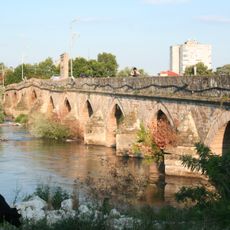
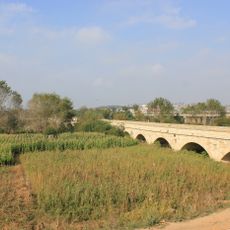
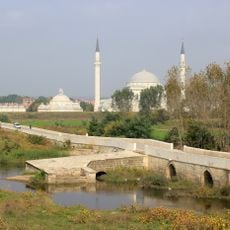
The Greece-Turkey border stretches approximately 200 kilometers and follows the Evros River as it winds through farmland and mountain terrain. The landscape is shaped by natural waterways and varied topography on both sides.
The Treaty of Lausanne in 1923 established the current border line and determined territorial divisions between Greece and Turkey following World War I. This agreement remains the foundation of the border as it exists today.
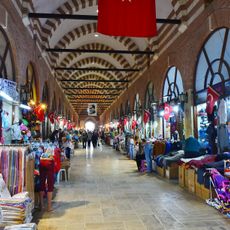
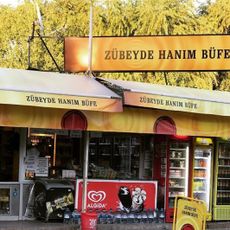
Communities on both sides maintain their own traditions, visible in local shops and markets where Greek and Turkish products sit side by side. This reflects how people continue to share connections despite the border that divides them.
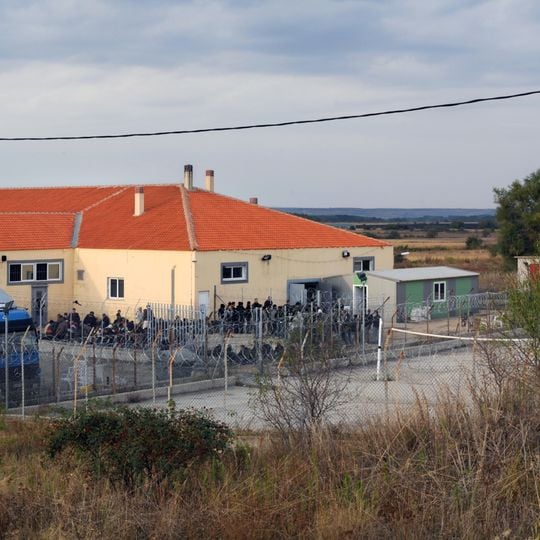
Three main crossing points handle border passage, with Ipsala checkpoint processing international traffic through customs and immigration. Visitors should expect wait times and ensure they have required travel documents before attempting to cross.
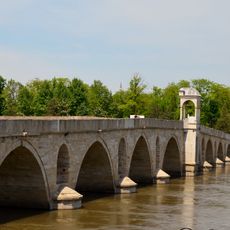
The Evros River is more than just a natural border line; its water levels fluctuate seasonally, sometimes creating temporary islands. These changes influence migration patterns and affect security operations in the region.
The community of curious travelers
AroundUs brings together thousands of curated places, local tips, and hidden gems, enriched daily by 91,558 contributors worldwide.