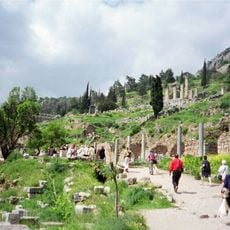
Delphi Museum, Archaeological museum in Delphi, Greece
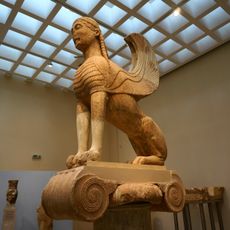
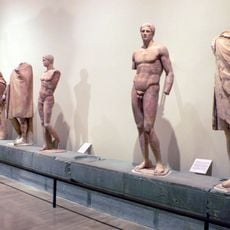
The Delphi Archaeological Museum stands beside the sanctuary of Pythian Apollo and holds finds from the site, from the Late Helladic period to the early Byzantine era. Its fourteen rooms on two levels cover more than 2,270 m2 and display statues, architectural members and votive offerings, among them the Charioteer of Delphi, the frieze of the Siphnian Treasury and the Sphinx of Naxos.
The first museum opened on 2 May 1903, designed by French architect Albert Tournaire and funded by a trust set up by banker Andreas Syngros. A larger building followed in 1939, but war closed it and the Charioteer was stored in Athens until 1951. Patroklos Karantinos remodelled it in 1958–1961, and Alexandros Tombazis led the 1999–2003 renovation.
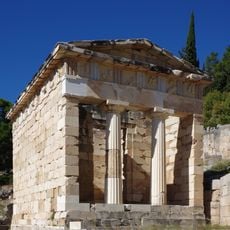
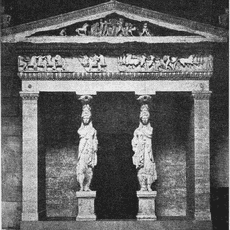
The collection is built around votive offerings brought to the sanctuary of Pythian Apollo, among them the Sphinx of Naxos and the silver Statue of a Bull found three months before the war. The chryselephantine objects excavated on the Sacred Way entered the museum in 1975. The Athenian Treasury and the Siphnian Treasury are represented by their sculpture.
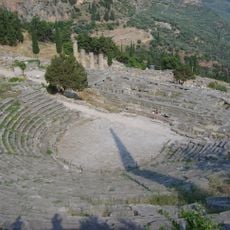
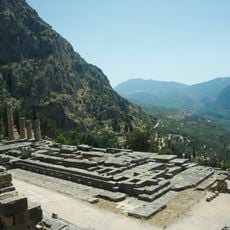
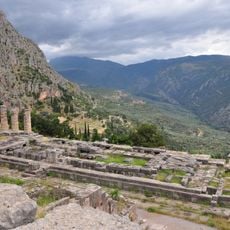
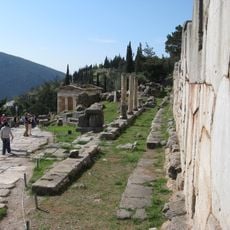
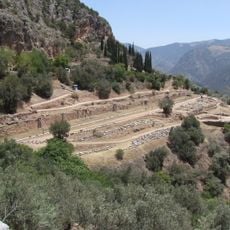
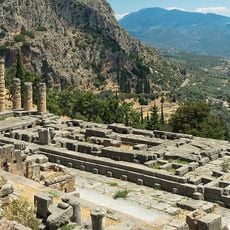
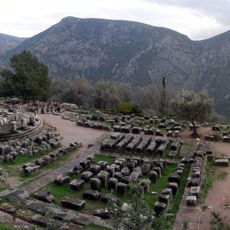
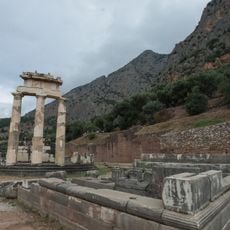
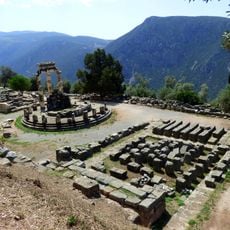
The museum stands on the archaeological site of Delphi, on the slope below the sanctuary, with the entrance hall, cafeteria and gift shop on the ground level. The 1999–2003 renovation by Alexandros Tombazis added a new facade and a separate hall for the Charioteer and eased visitor circulation through the fourteen rooms on two levels.
A bronze statue of a charioteer from the 5th century survives intact today with inlaid copper eyes and silver tooth details. This rare preservation of tiny decorative work shows the craftsmanship of ancient artisans.
The community of curious travelers
AroundUs brings together thousands of curated places, local tips, and hidden gems, enriched daily by 92,926 contributors worldwide.