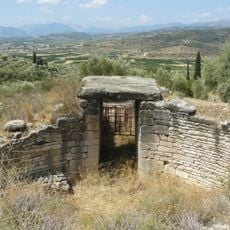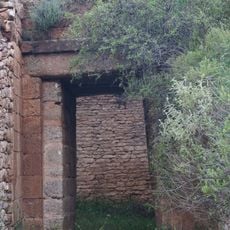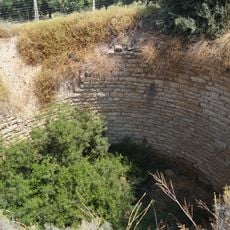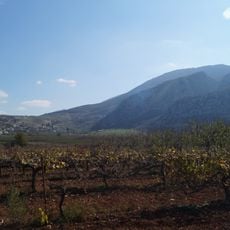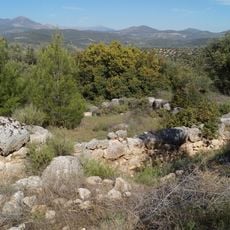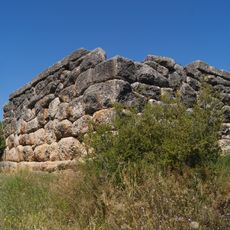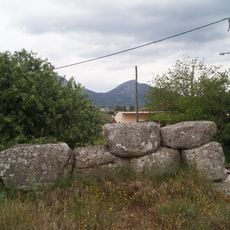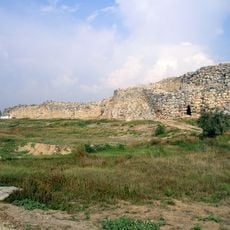
Fortifications of Mycenae, Bronze Age citadel in Argolis, Greece
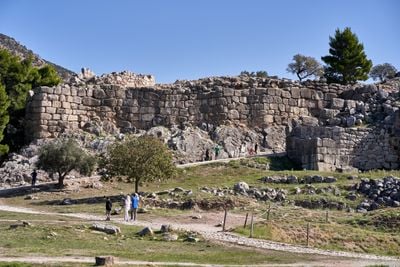
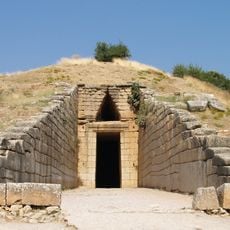
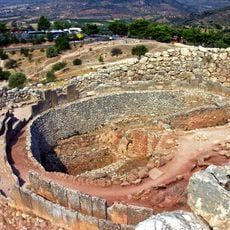
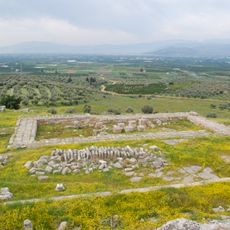
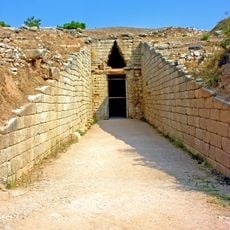
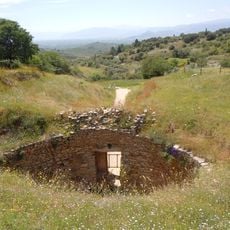
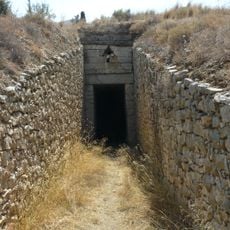
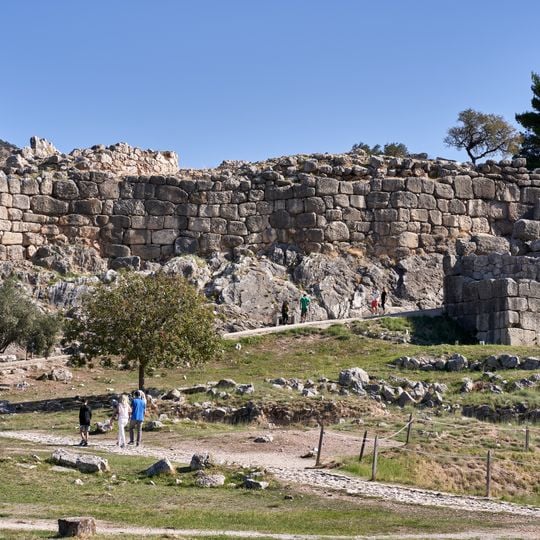
The Acropolis of Mycenae is a fortified hilltop settlement with massive stone walls, monumental gates, and royal burial chambers distributed across different levels. The structures adapt to the natural slope and combine defensive architecture with spaces for rituals and royal life.
The settlement developed during the Bronze Age and reached its peak around 1350 BC as a regional power controlling trade. It declined gradually and was eventually abandoned as that ancient period came to an end.
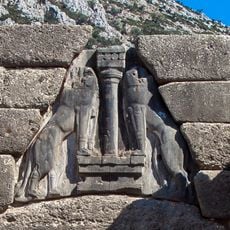
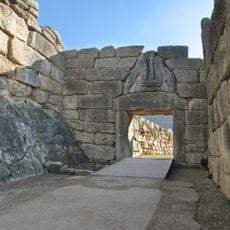
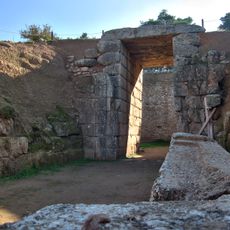
The Lion Gate owes its name to two giant feline figures carved above the entrance; lions are not native to Greece, and the relief is thought to have been inspired by the main gate of the Hittite capital Hattusa. The gate's high right bastion forced attackers to turn right, exposing their unshielded side to defenders.
Wear comfortable shoes since the paths are steep and uneven with considerable climbing between levels. The site has little shade, so visiting early morning or late afternoon helps avoid intense sun exposure.
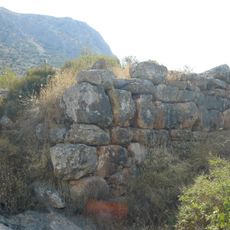
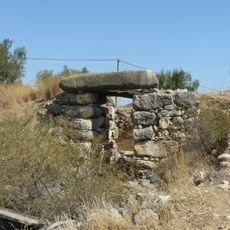
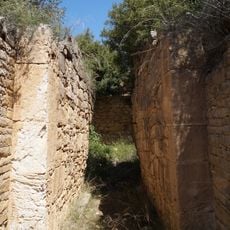
The walls were built without mortar from irregular limestone blocks so large that later Greeks credited them to the Cyclopes; archaeologists instead see the influence of the Hittite capital Hattusa. At the Lion Gate, attackers had to turn right around a high bastion, exposing their unshielded side to defenders.
The community of curious travelers
AroundUs brings together thousands of curated places, local tips, and hidden gems, enriched daily by 92,883 contributors worldwide.