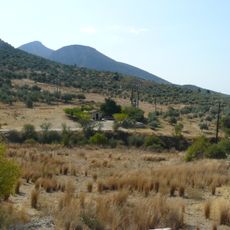
Tomb of Clytemnestra, Ancient tomb at Mykines, Greece
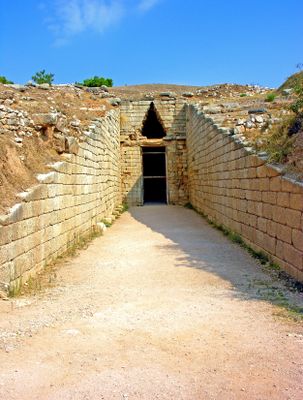
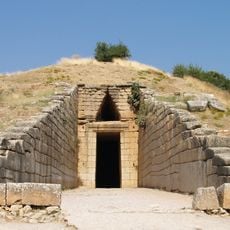
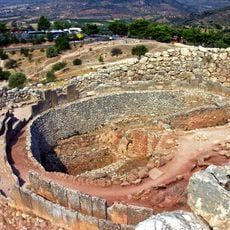
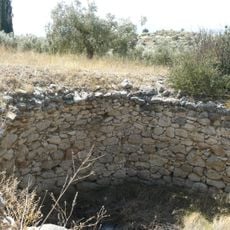
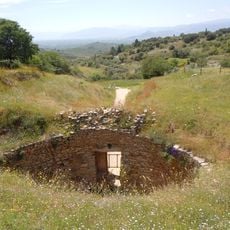
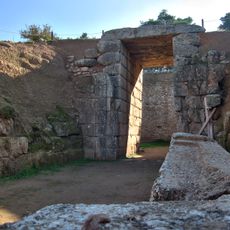
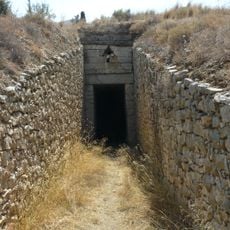
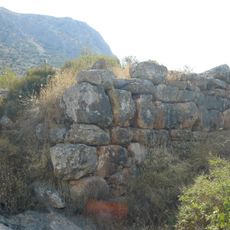
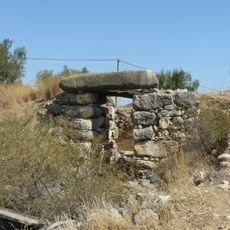
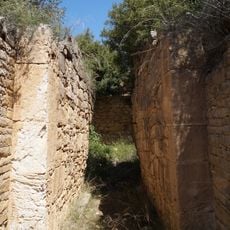
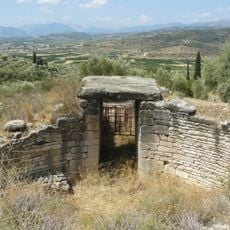
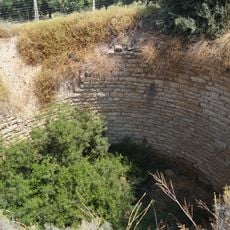
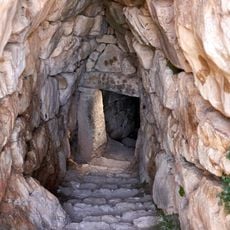
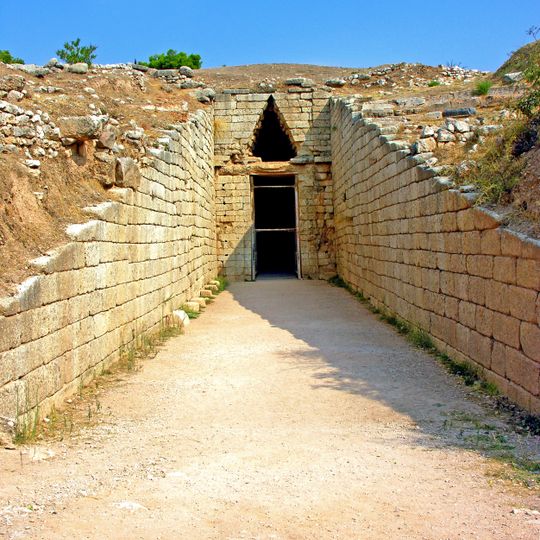
The Tomb of Clytemnestra is a Bronze Age tholos tomb near Mycenae in Greece, built with a long stone entrance corridor called a dromos and a circular burial chamber topped by a corbelled dome. The walls of the chamber are made of carefully laid stone courses that gradually lean inward to form the roof, without any mortar holding them together.
The tomb was built around 1250 BCE, making it one of the later tholos tombs constructed near Mycenae during the height of Mycenaean power. It was rediscovered and excavated in the 19th century, which brought the site to the attention of modern researchers for the first time.
The name comes from Clytemnestra, wife of Agamemnon, though Pausanias placed her tomb and Aegisthus's outside Mycenae's walls because they were judged unfit for burial within them after the king's murder. Other tholos tombs nearby carry mythical dynastic names such as Atreus and Aegisthus. In the dromos, excavators found a woman's grave with two mirrors, ornaments and beads.
The tomb is part of the Mycenae archaeological site and is reached on foot from the main entrance area, so sturdy shoes and water are worth bringing along. The dromos corridor is low at the entrance, so most visitors need to lower their heads to pass through into the chamber.
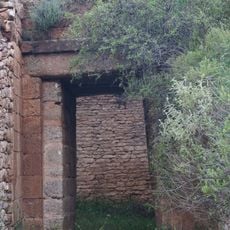
The half-columns on the facade are carved from gypsum, not green stone or red marble, and they were still part of the monument when Schliemann excavated it in the 19th century. The relieving triangle above the lintel once held a colored relief sculpture, and a small drain cut through the lintel block still channels water away from the entrance.
The community of curious travelers
AroundUs brings together thousands of curated places, local tips, and hidden gems, enriched daily by 92,816 contributors worldwide.