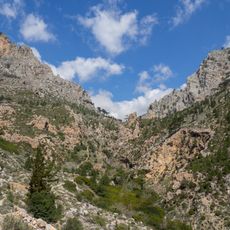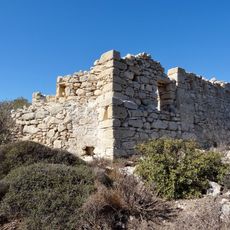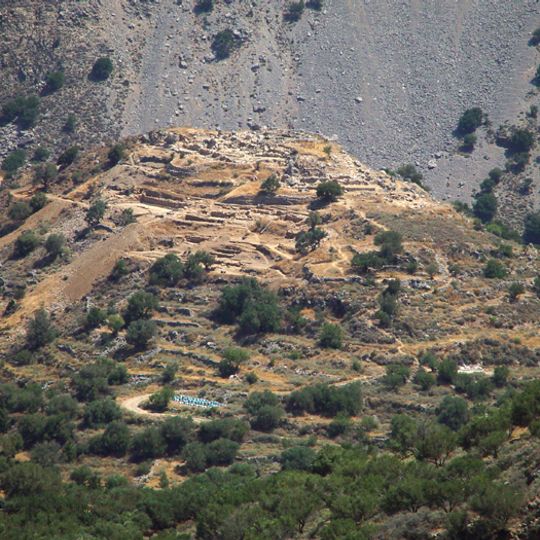
Azoria, Archaeological site on a hill near Kavousi, Crete.
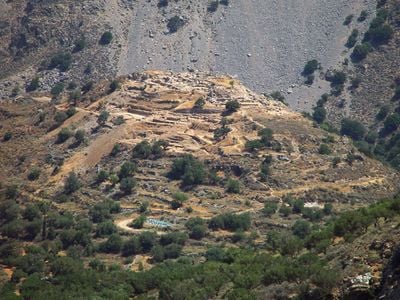
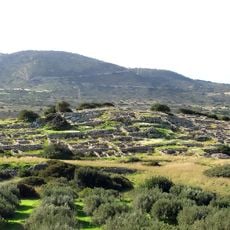
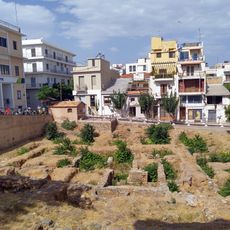
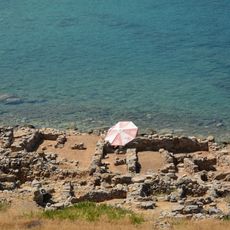
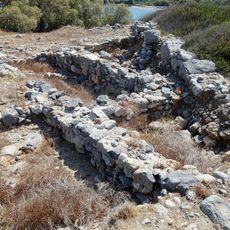
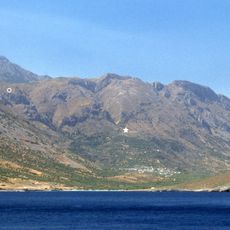
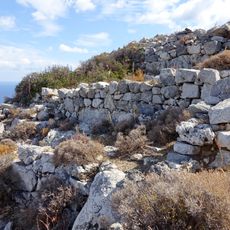
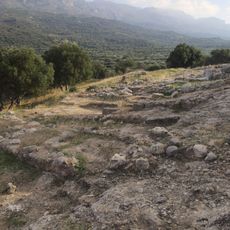
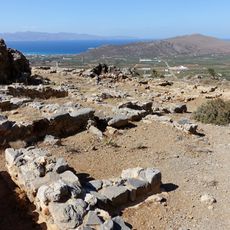
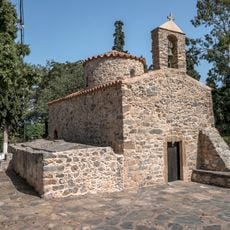
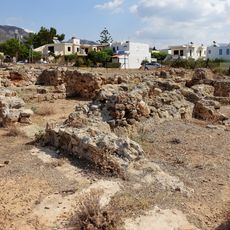
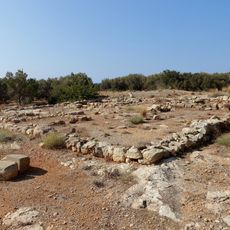
Azoria is an archaeological site on a double-peaked hill near Kavousi, featuring public buildings, storage rooms, a temple, and pathways to a central agora. The excavation layers reveal structures from the Neolithic period through the 5th century BC, with remains of residential houses, workshops, and early processing facilities.
Excavations beginning in 1900 under Harriet Boyd revealed occupation from the Neolithic period until the 5th century BC, when fire destroyed the city. The layers show continuous settlement with changes in architecture and daily life across several millennia.
The Communal Dining Building shows how male citizens gathered to eat together and maintain their community bonds. A large civic structure nearby served as the venue for public assemblies and important ceremonies of the town.
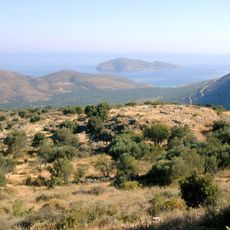
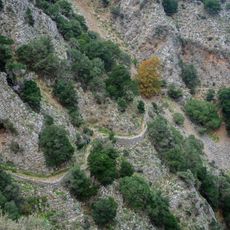
The hill is accessible by several paths and offers multiple excavation levels to explore, with building and workshop remains clearly visible. The terrain can be uneven and rocky, so sturdy footwear and time for careful walking through the site are advisable.
The site preserves one of the oldest olive press installations in the ancient Aegean, nearly intact and retaining functional details. This facility shows how early communities already used advanced techniques for oil production, long before such systems spread to other locations.
The community of curious travelers
AroundUs brings together thousands of curated places, local tips, and hidden gems, enriched daily by 91,297 contributors worldwide.