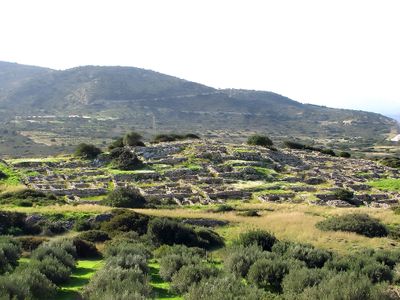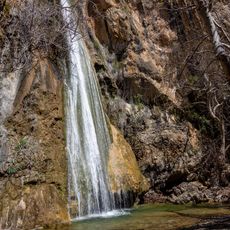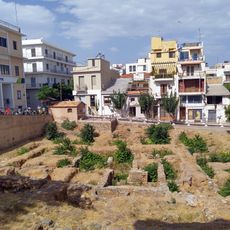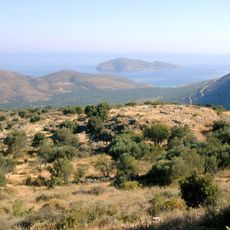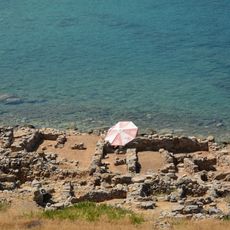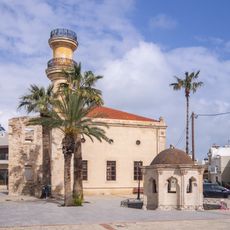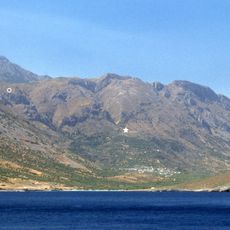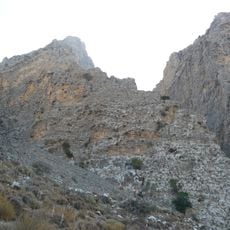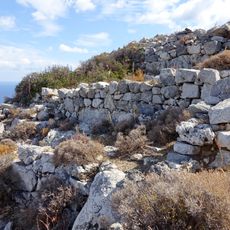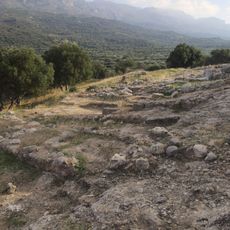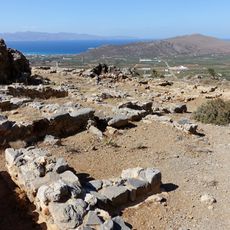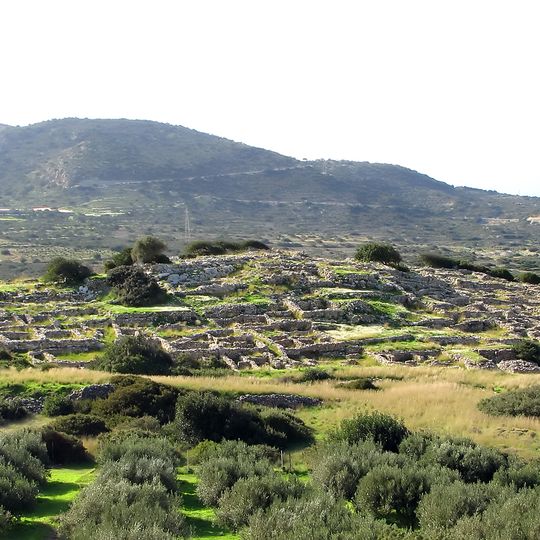
Gournia, Bronze Age archaeological site in Ierapetra, Greece.
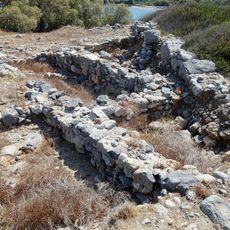
Gournia is a Bronze Age Minoan settlement spread across a low hill with paved streets, stone houses, and a central palace complex overlooking the sea. The site shows how people organized their homes and workshops together in a compact layout around the palace.
The settlement thrived between 1550 and 1450 BC during the Late Minoan period before suffering destruction like other major centers on Crete. This collapse marked the end of this era of urban settlement across the island.
People here worked as craftspeople, producing tools, weapons, and pottery for trade and daily use. This skilled production made the settlement an important economic center in eastern Crete.
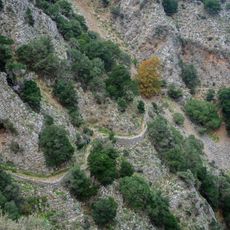
Access involves stairs and paths that wind over uneven terrain across the hillside. Visitors should wear comfortable shoes and bring sun protection, as there is little shade and the ground is rocky and uneven throughout.
The first excavations were directed by American archaeologist Harriet Boyd-Hawes between 1901 and 1904 after she discovered a significant sealstone at the location. Her work was groundbreaking for a woman of that era and helped reveal how ordinary people lived in the ancient Minoan world.
The community of curious travelers
AroundUs brings together thousands of curated places, local tips, and hidden gems, enriched daily by 91,155 contributors worldwide.