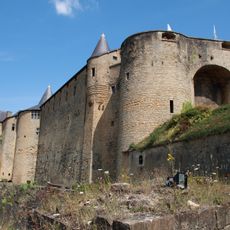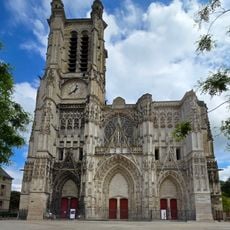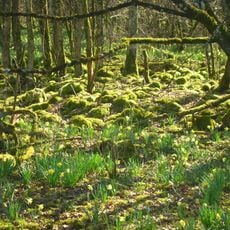
Champagne-Ardenne, Historical region in northeastern France
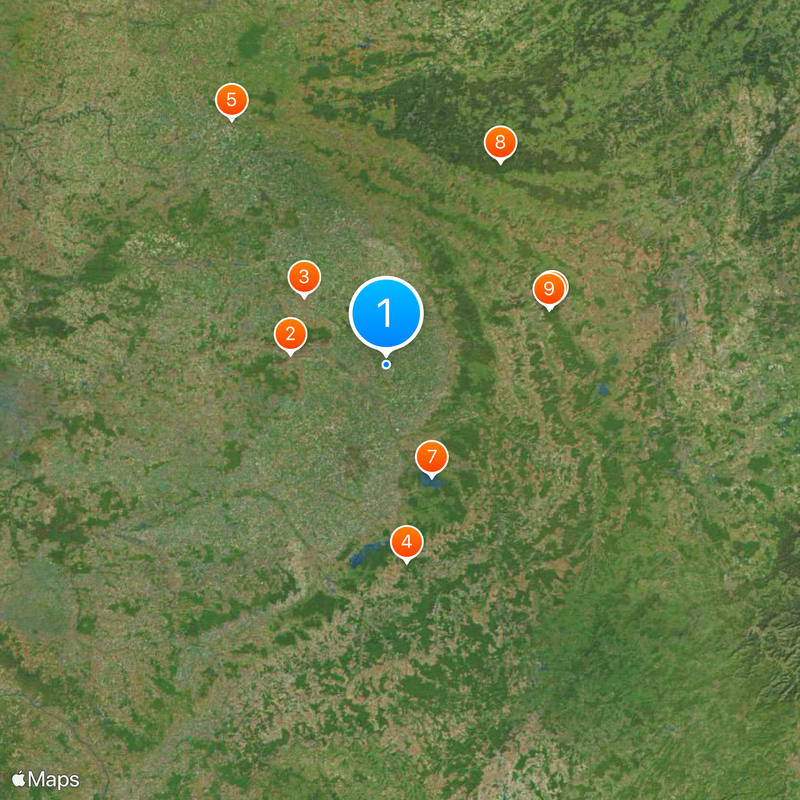
Champagne-Ardenne was an independent region in northeastern France until the end of 2015, encompassing four departments: Ardennes, Marne, Aube, and Haute-Marne. Since then the area has been part of the larger Grand Est region, though the name remains in use as a historical reference.
The two areas were merged into a single administrative unit in 1956, when France reorganized its regions. The region existed until a new reform in 2016, when it was absorbed into the newly created Grand Est region.
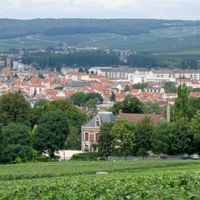
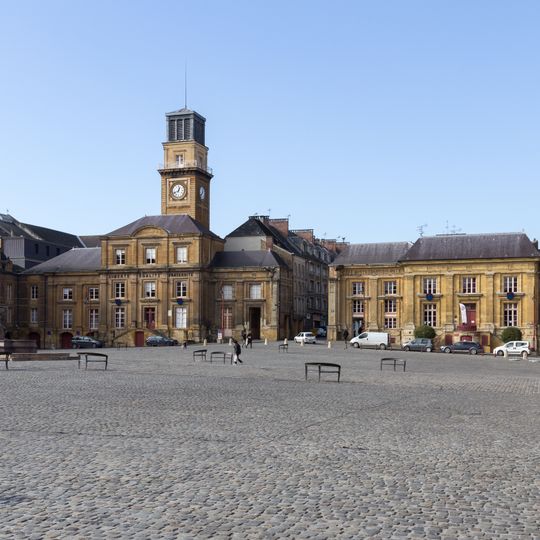
The region's name combines two areas that once stood apart: Champagne to the south and Ardennes to the north, where different traditions still coexist today. Many villages between Reims and Troyes sit amid vineyards, while in the Ardennes area forests and riverbanks shape how people live.
The area stretches from the borders with Belgium and Luxembourg in the north to the vineyards around Troyes in the south, so traveling often takes you through several different landscapes. Much of it is relatively flat, while the Ardennes in the north become hillier and offer forest trails for walking.
The chalky soils in the southern part sometimes turn the ground almost white, which is why the word Champagne itself comes from the Latin for open field. Some villages here have churches with roofs made from colored tiles arranged in geometric patterns that can be seen from a distance.
The community of curious travelers
AroundUs brings together thousands of curated places, local tips, and hidden gems, enriched daily by 91,265 contributors worldwide.