Gibbet of Montfaucon, Gallows in France
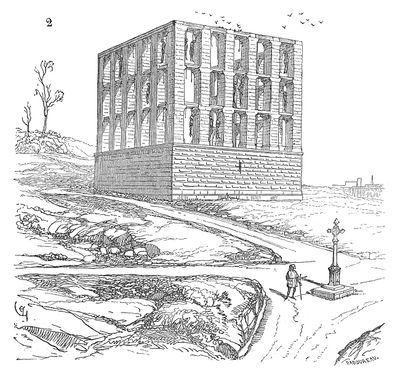
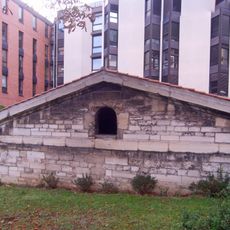
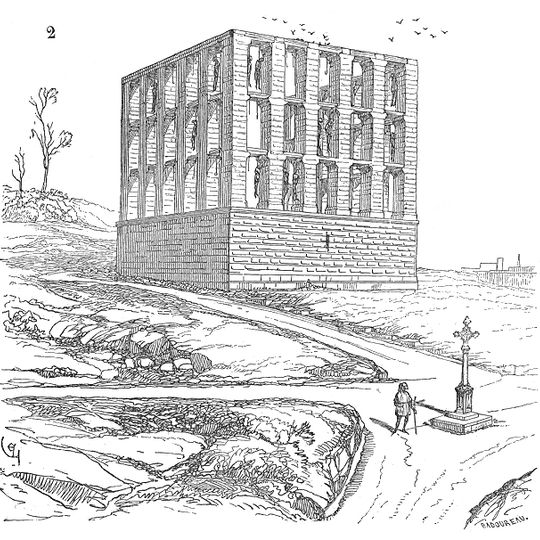
The Gibbet of Montfaucon was Paris's primary execution site, located on a hill in the northeastern part of the city. Its distinctive stone pillars and wooden beams created a structure that served for centuries as the place where sentences were carried out and bodies were displayed.
Built in the 13th century, it remained active for executions until the late 18th century. The site declined as judicial attitudes changed and was eventually demolished during the revolutionary period.
It appeared in Victor Hugo's 'The Hunchback of Notre-Dame' and shaped how people imagined medieval Paris through literature. Writers and artists used it as a symbol of the city's dark judicial past.
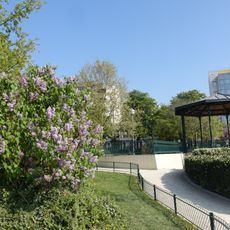
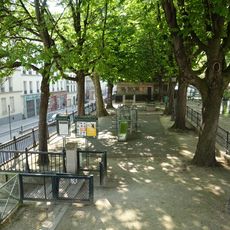
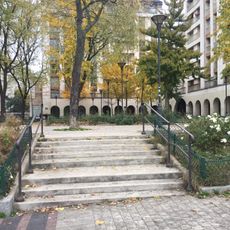
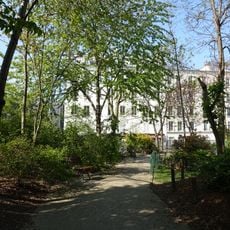
The site no longer stands, but visitors can explore its historical location to understand its former setting and surroundings. Museums and archives throughout Paris offer displays and documents that provide context for this chapter of the city's past.
Its multi-tiered design was exceptionally large by European standards and made it the continent's most imposing execution site of its time. Travelers and chroniclers across Europe documented its scale in their accounts, turning it into a grim landmark known beyond Paris.
The community of curious travelers
AroundUs brings together thousands of curated places, local tips, and hidden gems, enriched daily by 90,903 contributors worldwide.