Golfe-Juan, human settlement in France
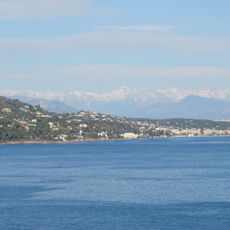
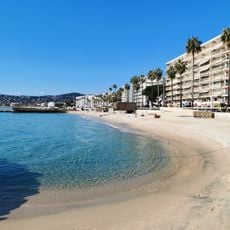
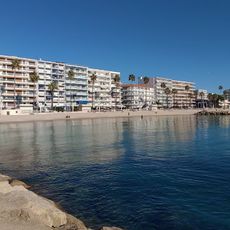
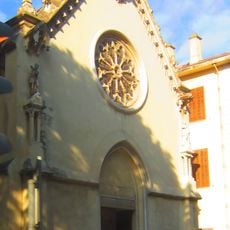
Golfe-Juan is a small port town on France's southern coast between Cannes and Antibes. Its harbor holds fishing boats and yachts, while narrow streets with old houses, colored shutters, and tile roofs lead down to the waterfront.
Golfe-Juan began as a simple fishing village and gradually grew into a small town over centuries. The place is remembered most for Napoleon Bonaparte's landing on March 1, 1815, when he began his famous march toward Paris from this location.
The name Golfe-Juan comes from local language meaning 'the Gulf of Jean', with locals sometimes calling it by the traditional name 'gorg Joan'. Daily life centers on fishing traditions and the rhythm of the harbor, where people work with boats and fresh catch as part of their ordinary routine.
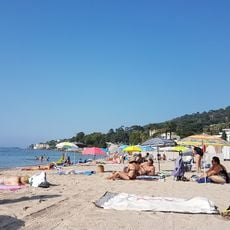
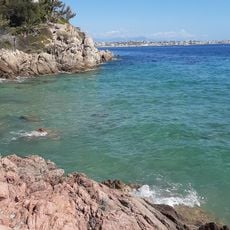
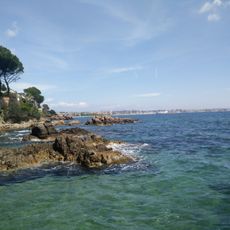
The town is easy to reach by car or bus with nearby parking available and various accommodation options. The rocky coastline with occasional sand beaches invites swimming, and small cafes near the harbor provide places to relax.
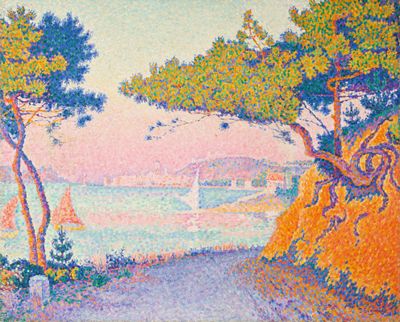
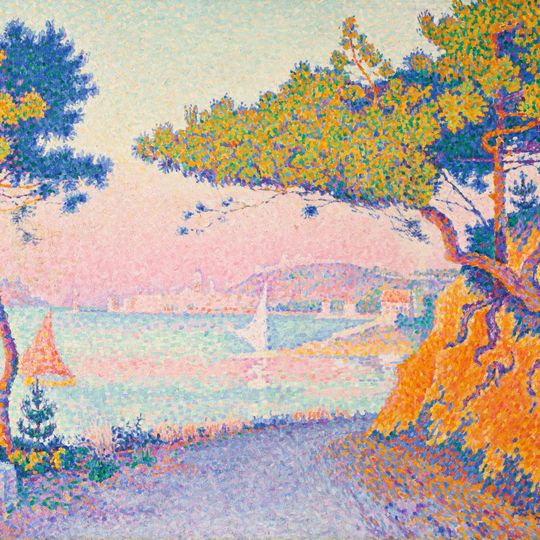
Painter Paul Signac captured the bay in 1896, catching the quiet stillness of the harbor with its boats in a work now kept in a United States museum. The painting shows how artists viewed the natural beauty of this place.
The community of curious travelers
AroundUs brings together thousands of curated places, local tips, and hidden gems, enriched daily by 60,000 contributors worldwide.