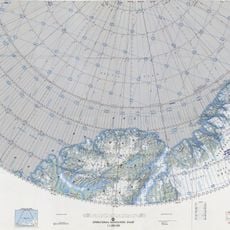
Hans Tausen Iskappe, Ice cap in Northeast Greenland National Park, Greenland
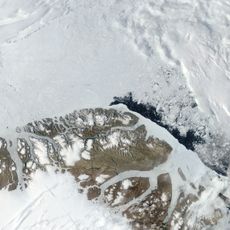
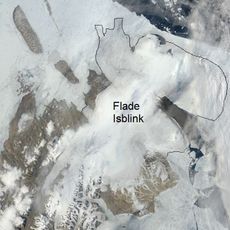
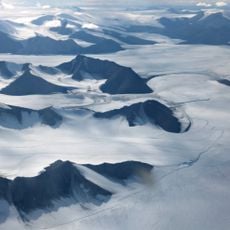
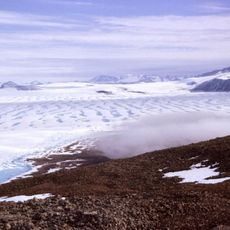
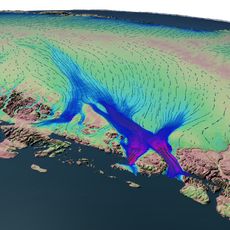
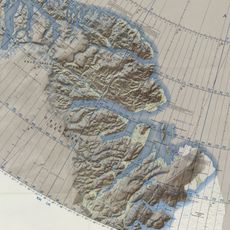
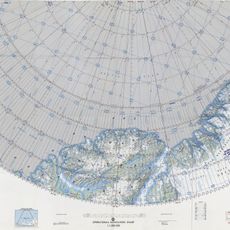
Hans Tausen Iskappe is a large ice cap in Northeast Greenland that spreads across elevated plateaus and flat expanses. The surface displays typical features of Arctic glaciers, including crevasses, ice ridges, and snow-covered areas that shift with the seasons.
The ice field formed during the early Holocene period thousands of years ago, when climatic conditions favored ice accumulation and preservation at this high location. The moving layers within it tell the story of Arctic climate patterns across this long timespan.
Lauge Koch named the ice cap during his 1938 aerial expedition after Hans Tausen, the 16th-century Danish reformer. Ice cores drilled here established that the present ice is only 3500 to 4000 years old, making it a key site for reconstructing the Holocene climatic optimum.
Access requires specialized logistical support and gear suited to extreme cold and remote conditions. Visitors should expect variable accessibility, as seasonal and weather conditions heavily influence when the site can be reached.
The ice surface contains ancient air bubbles that preserve tiny samples of atmospheric composition from past millennia. This natural archival function makes the ice valuable to scientists worldwide, as it provides direct data about past environmental conditions.
The community of curious travelers
AroundUs brings together thousands of curated places, local tips, and hidden gems, enriched daily by 94,522 contributors worldwide.