Saimaa, Freshwater lake in southeastern Finland
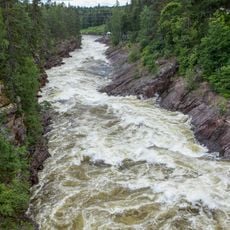
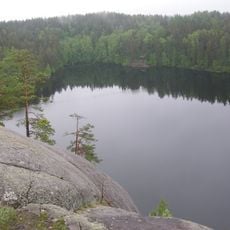
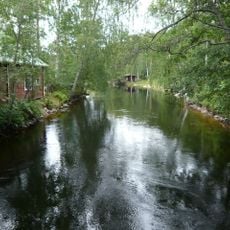
Saimaa is Finland's largest lake, covering about 4,279 square kilometres in the Finnish Lakeland of southeastern Finland. Narrow channels divide it into basins with their own names, among them Orivesi, Puruvesi, Haukivesi, Yövesi, Pihlajavesi and Pyhäselkä. Its shoreline, with some 14,000 islands, runs to nearly 15,000 kilometres, and the Vuoksi River drains it to Lake Ladoga.
Saimaa formed at the end of the last Ice Age as glacial ice retreated. About 6,000 years ago, ancient Lake Saimaa, then covering nearly 9,000 km², drained abruptly through a new outlet, exposing thousands of square kilometres of wetland. The Vuoksi River later became its outflow to Lake Ladoga.
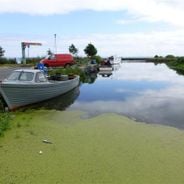
The name Saimaa probably comes from a pre-Uralic, pre-Indo-European substrate language, and some link it to the Sami word sápmi. Local people disagree about what the name covers: in the south it means the southern basin, while further north residents use basin names such as Orivesi and Pyhäselkä. Summer cabins and lake cruises are common around the shores.
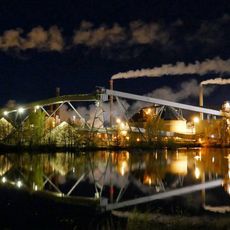
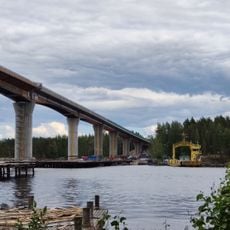
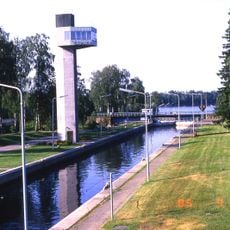
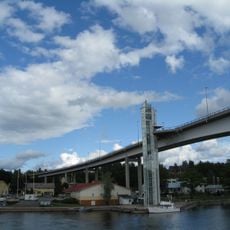
The Saimaa Canal runs 43 km from Lauritsala in Lappeenranta to Vyborg, linking the lake to the Gulf of Finland; nearly half of it crosses land leased from Russia, and its eight locks are operated remotely from Mälkiä and Brusnitchnoe. Other canals join Saimaa to smaller lakes of eastern Finland, forming a waterway network used mainly for wood, minerals, metals and pulp, and also by tourists.
These waters are home to a rare seal species found nowhere else in the world in freshwater form. The animals are highly adapted to this specific environment and remind visitors of the lake's ecological importance.
The community of curious travelers
AroundUs brings together thousands of curated places, local tips, and hidden gems, enriched daily by 93,838 contributors worldwide.