Castra Ulcisia, Roman military fortification in Szentendre, Hungary.
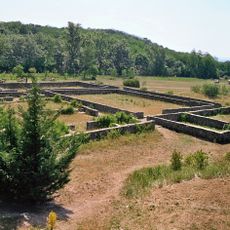
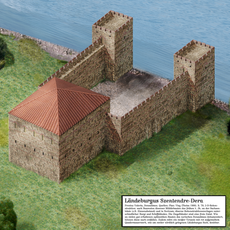
Castra Ulcisia is a Roman military fortress built along the Danube frontier in Szentendre, Hungary, with rectangular walls, towers at the corners, and a double row of defensive ditches. The interior held a command building and several other structures, parts of which were uncovered during excavations.
The fortress was built in the early 2nd century as part of the Roman effort to secure the Danube border, known as the Pannonian limes. It was rebuilt in the 4th century, when the whole structure was reworked to reflect the new demands of late Roman defense.
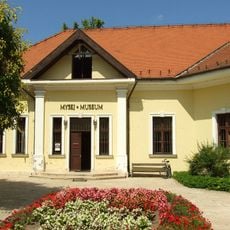
Soldiers stationed here left graves near the camp that show how a Roman garrison community lived day to day. Tombstones and inscriptions now held in the local museum name real people, their origins, and their family ties.
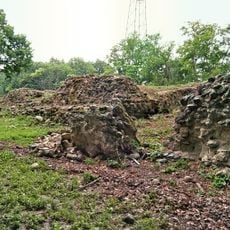
Some wall sections and ditch lines are visible on the ground, and a visit to the local museum beforehand makes it easier to read what you see at the site. The ruins sit within the town of Szentendre, so they are easy to reach on foot from the center.
In the 4th century, the original square towers were replaced by horseshoe and fan-shaped ones, a form that is relatively rare in Roman military architecture. This shift makes the site one of the clearer examples of late Roman engineering changes along the Danube line.
The community of curious travelers
AroundUs brings together thousands of curated places, local tips, and hidden gems, enriched daily by 60,000 contributors worldwide.