Cork, Port city in County Cork, Ireland
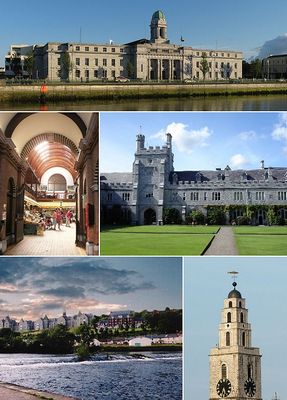
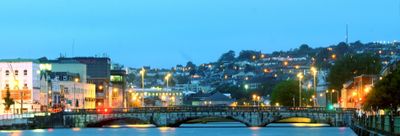
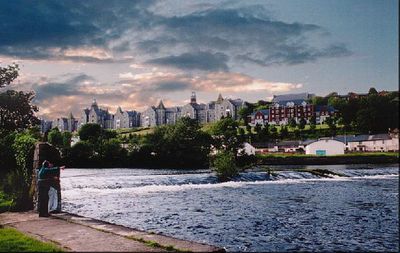
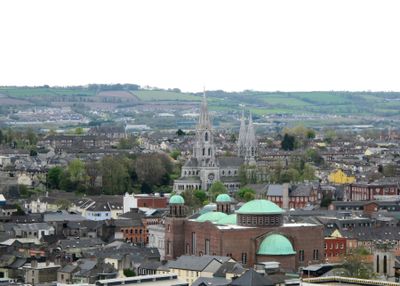
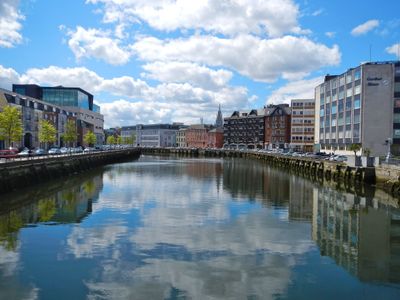
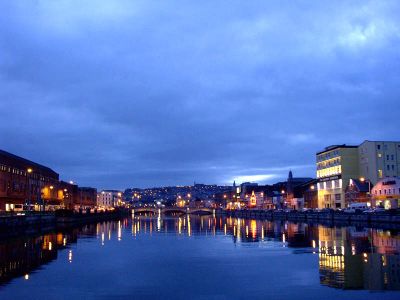
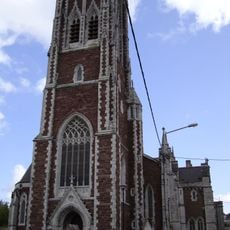
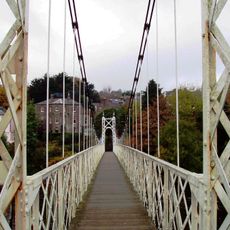
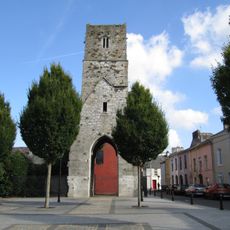
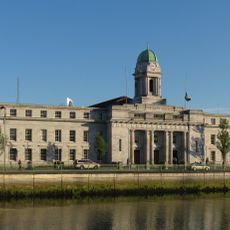
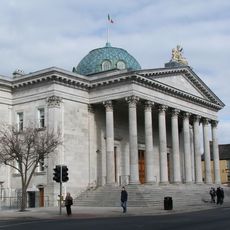
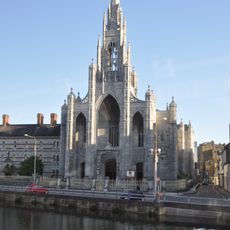
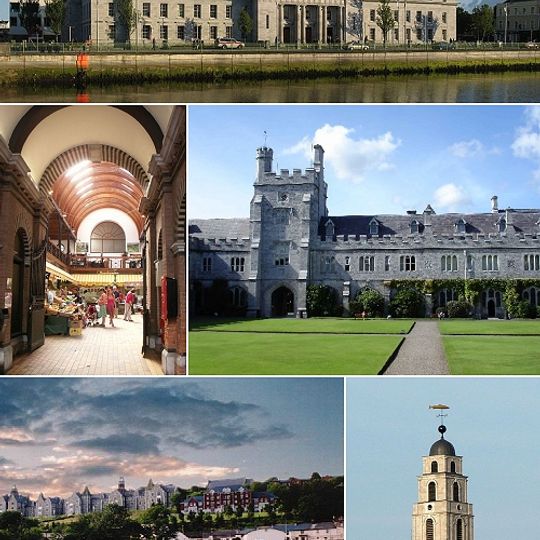
Cork sits on several islands and channels of the River Lee, linked by bridges that connect neighborhoods with Georgian architecture and medieval buildings. The center spreads between steep hills, where church towers and rows of houses shape the skyline.
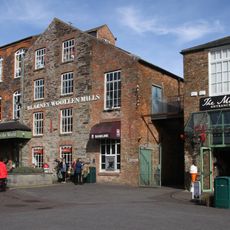
A monastic settlement from the 6th century grew into a trading center after Viking raids around 915 and received a city charter from Prince John in 1185. Later, the place became a major port in southern Ireland through textile trade and seafaring.
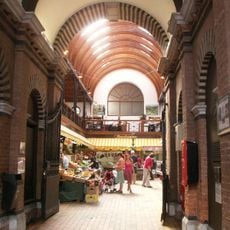
The English Market from 1788 still reflects how residents value fresh, local produce in their daily routines, with over 55 stalls run by regional merchants. Street musicians and small galleries bring life to the area around St Patrick's Street, where people gather to shop and meet.
Regular bus lines connect Cork Airport to the center, while pedestrian zones make it easy to move between shopping areas and older districts. Many shops and markets sit close together, so the main spots can be reached on foot.
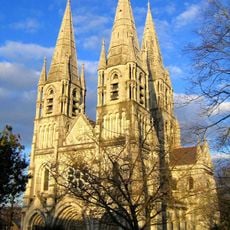
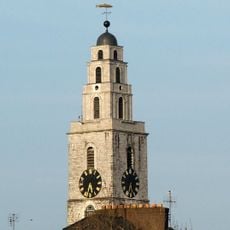
St Anne's Church in Shandon lets visitors ring the bells themselves, while the four clocks on its walls often show different times and earned it the nickname Four-Faced Liar. In some alleys of the old town, you can still see channels beneath metal grids that once drained the marshy islands.
The community of curious travelers
AroundUs brings together thousands of curated places, local tips, and hidden gems, enriched daily by 90,790 contributors worldwide.