Caesarea, Archaeological site and coastal resort in northern Israel.
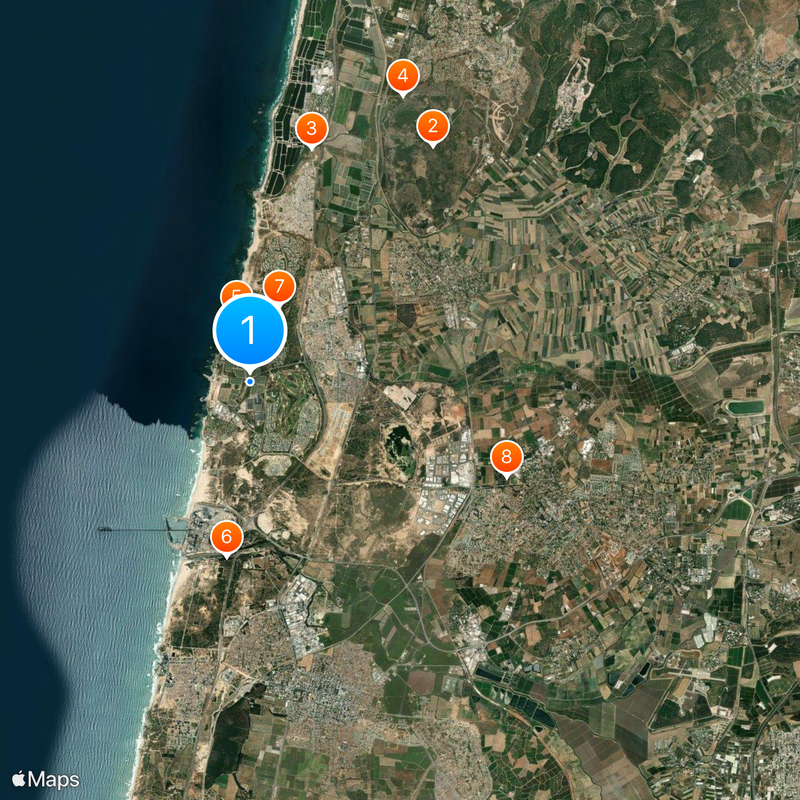
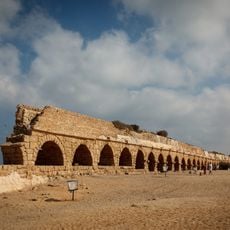
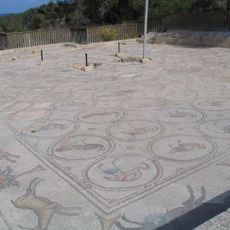
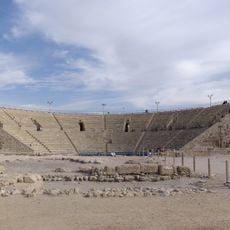
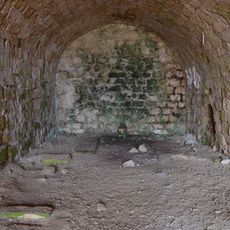
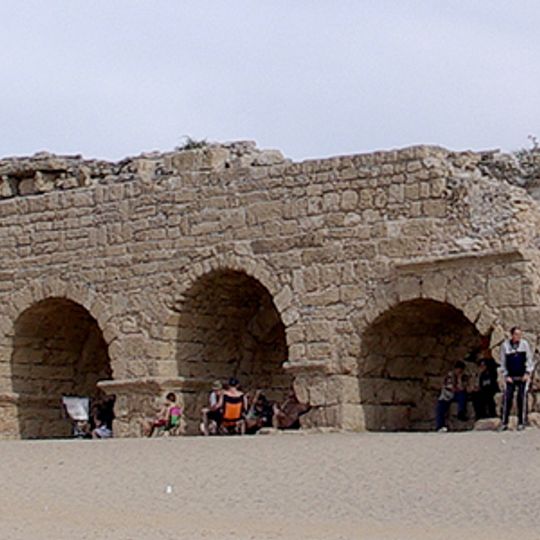
Caesarea is an archaeological site and coastal town in northern Israel that stretches for several kilometers along the Mediterranean Sea. The grounds display walls, columns, and arches from different periods, including a large amphitheater right by the water and the remains of an artificial harbor with breakwaters still visible beneath the surface.
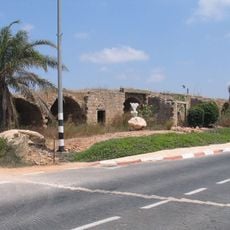
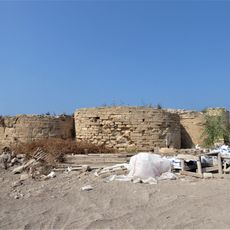
King Herod ordered the construction of this port city between 25 and 13 BCE and made it an important harbor of the Roman Empire. Later, Byzantine and then Crusader rulers took over the city, each adding their own fortifications and buildings.
The name honors Emperor Augustus Caesar, to whom Herod the Great dedicated the port city. The ancient theater now serves as a stage for open-air concerts, where musicians perform between Roman columns and audiences sit on the old stone steps.
The grounds are mostly flat and easy to explore on foot, with paths running between the ancient ruins and along the shoreline. Guided tours help with orientation between the different periods and explain the function of the preserved structures.
Underwater, visitors in glass-bottom boats can view the sunken harbor walls and ancient quays that now rest on the seabed. The original Roman paving stones of the main street are still so well preserved in places that you can see the wagon tracks.
The community of curious travelers
AroundUs brings together thousands of curated places, local tips, and hidden gems, enriched daily by 92,375 contributors worldwide.