Hurvat Levnin, Archaeological tell in Shephelat region, Israel
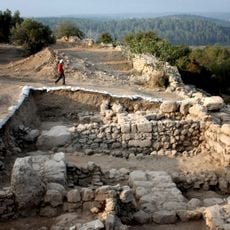
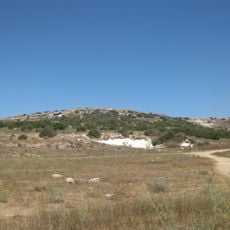
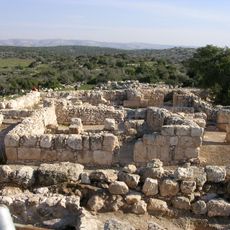
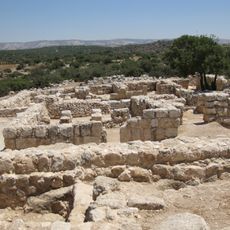
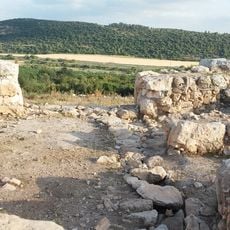
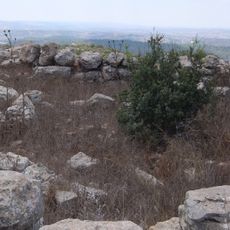
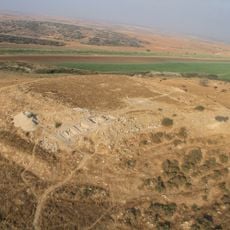
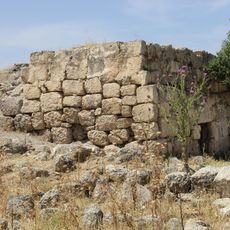
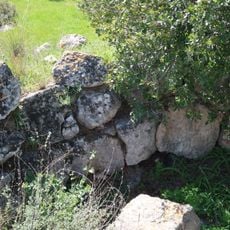
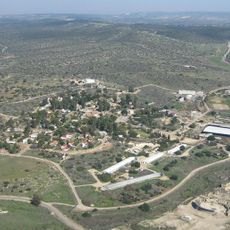
Hurvat Levnin is an archaeological site in the Shephelat region with various ancient structures, walls, cisterns, and caves scattered across its excavated areas. The remains sit on a hill and show traces of settlement from different periods.
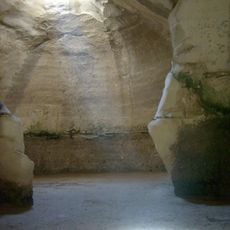
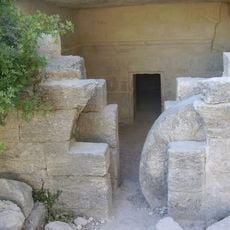
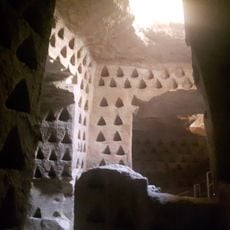
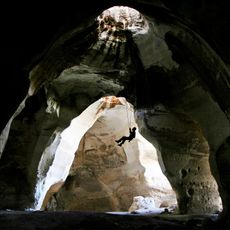
Surveys found potsherds, architectural elements, rock-cut tombs and hiding complexes showing occupation in the Iron Age, the Second Temple period and the Byzantine period. The underground hiding complexes are thought to date to the Bar Kokhba revolt. A burial cave on the western slope, with eight kokhim and Greek and Hebrew inscriptions, was dated by Boaz Zissu to the first century CE.
The Arabic name Tell el-Beida means "white", and the modern Hebrew name Lavnin translates it; others read the name as "hill of bricks" (livanim). The site's identification is disputed: some scholars link it to the biblical Libnah, others to Chezib of Judah or to the Azekah named by Epiphanius. A decorated lintel lies at the top of the hill.
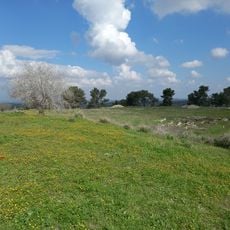
The site is open for exploration with uneven topography featuring hills and excavated areas that require good footing. Wear appropriate shoes and bring water, as the place is exposed and the ground is uneven.
A burial cave on the western slope holds eight kokhim, and above one entrance two inscriptions were cut: a crude mirror-script Greek theos (God) and the Hebrew letters יה. Boaz Zissu dated the cave to the first century CE; it had been looted in antiquity.
The community of curious travelers
AroundUs brings together thousands of curated places, local tips, and hidden gems, enriched daily by 94,181 contributors worldwide.