Luzit Caves, Limestone cave system in Jerusalem District, Israel
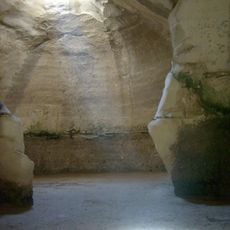
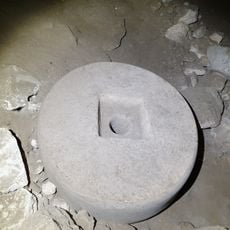
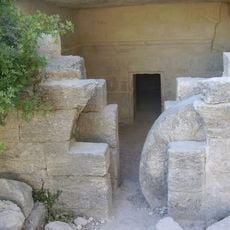
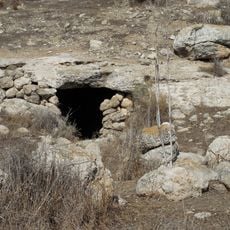
The Luzit Caves form a system of several connected dome-shaped chambers with exposed sections where natural light enters from above. The rooms vary in size and shape, which results from extraction work that took place over many centuries.
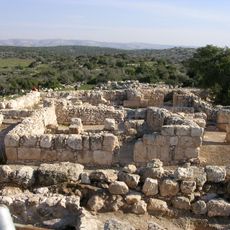
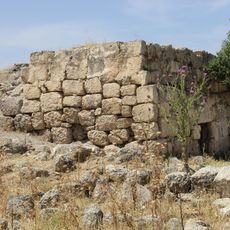
The cave area served as a limestone quarry from Hellenistic times through the early Islamic period, supplying building stone for regional structures. This long history of resource extraction shaped the entire cave formation visible today.
The caves were carved as a quarry, and some walls hold columbaria — square and triangular niches cut to raise pigeons. Carvers also left inscriptions and cross symbols on the rock, among them a graffito of a Roman soldier from the Bar Kokhba revolt. The Arab village of Dir Dibwan stood on the hill above until 1948.
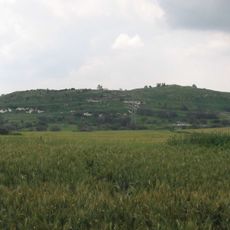
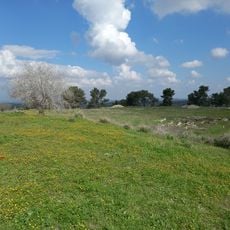
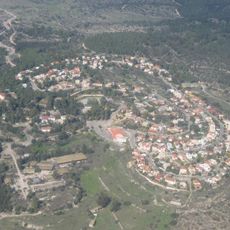
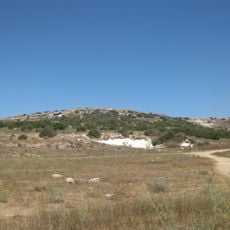
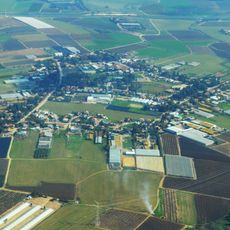
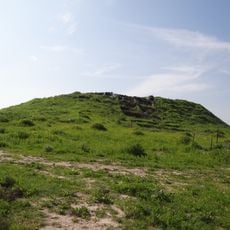
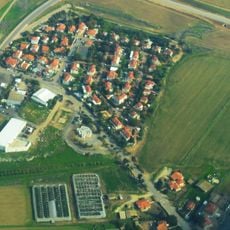
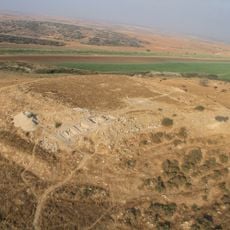
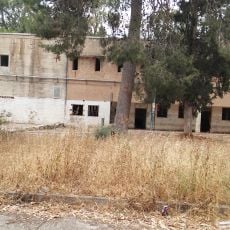
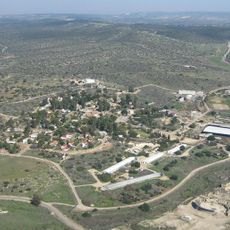
The caves are not open to visitors: KKL-JNF declared the site unsafe and closed, and the land authority has fenced it off, partly because commercial rappelling companies operate there illegally. The hill lies about one kilometre southeast of Luzit, in the Judean foothills. Entry to the caves is by foot or by rappelling, and the descent is steep.
Some chambers hold columbaria: small square and triangular niches cut into the walls, most likely for raising pigeons. Carvers also left inscriptions and cross symbols on the rock, among them a graffito of a Roman soldier from the days of the Bar Kokhba revolt.
The community of curious travelers
AroundUs brings together thousands of curated places, local tips, and hidden gems, enriched daily by 94,466 contributors worldwide.