Chaul, village in Maharashtra, India
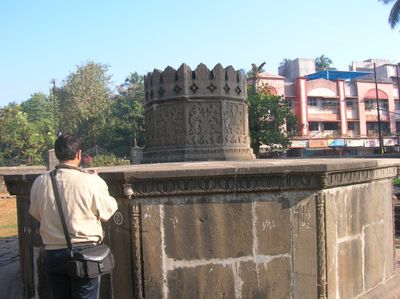
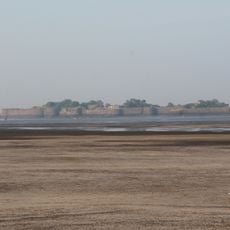
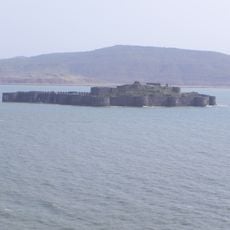
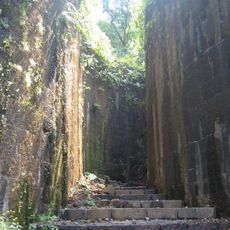
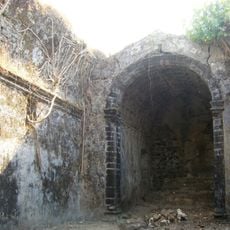
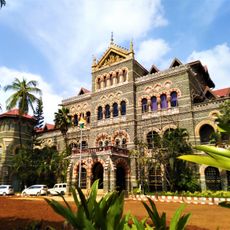
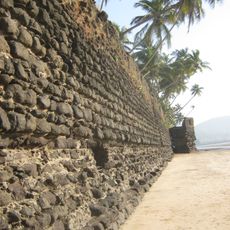
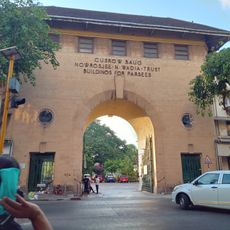
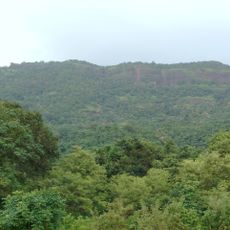
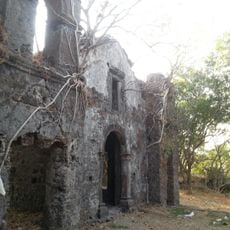
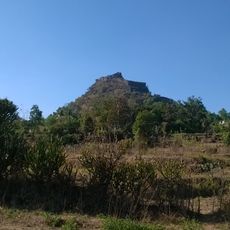
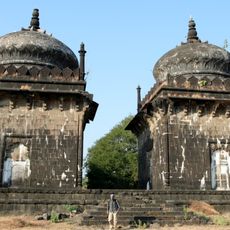
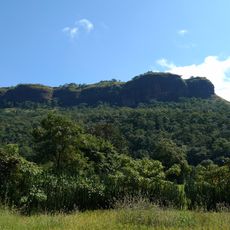
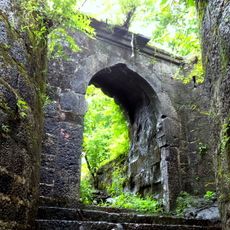
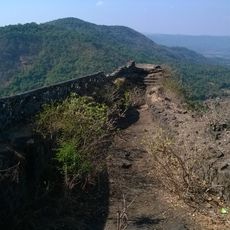
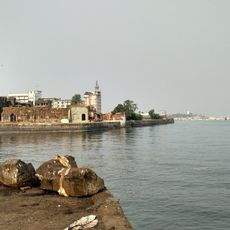
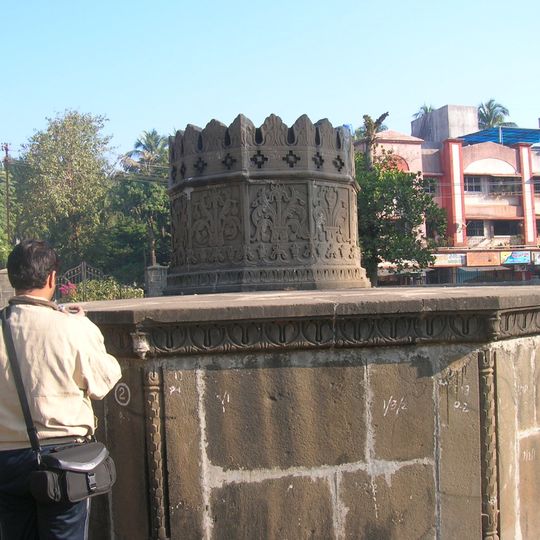
Chaul is a coastal village in Raigad district where the Kundalika River meets the Arabian Sea. The settlement features ruins of ancient fortifications, warehouses, temples, churches, and caves scattered across flat terrain near mangrove-lined shores and sandy beaches.
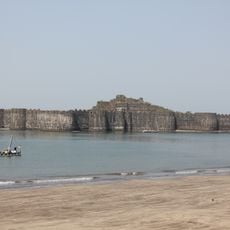
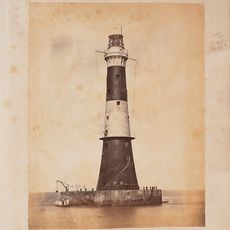
Chaul served as a major port from ancient times until the 1500s, connecting trade between India and regions across the Persian Gulf. Portuguese forces arrived around 1505, built fortifications to control the harbor, and maintained their presence through centuries of conflict with local rulers and rival powers.
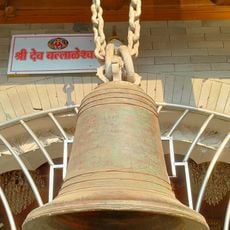
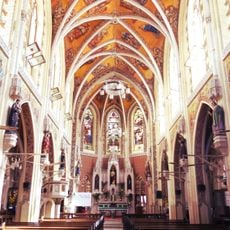
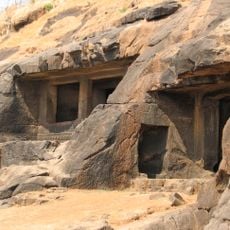
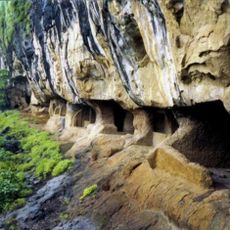
Chaul shows a mix of faiths that have coexisted here for centuries. Temples, mosques, churches, and Buddhist caves are visible signs of this spiritual diversity, while local fishing families and their daily routines along the coast keep the heritage of a port town alive in the community.
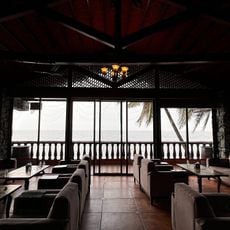
The site is relatively easy to explore due to flat terrain and walkable paths among the ruins and beaches. There are no large hotels or facilities, so visitors should be prepared for basic conditions and plan visits during drier seasons to avoid heavy monsoon rains that can affect access to some areas.
Excavations have uncovered pottery and beads from Roman times as well as Chinese porcelain, revealing that Chaul traded with civilizations thousands of miles away. These discoveries show how this small port connected distant lands and peoples through maritime commerce long before modern shipping routes existed.
The community of curious travelers
AroundUs brings together thousands of curated places, local tips, and hidden gems, enriched daily by 91,255 contributors worldwide.