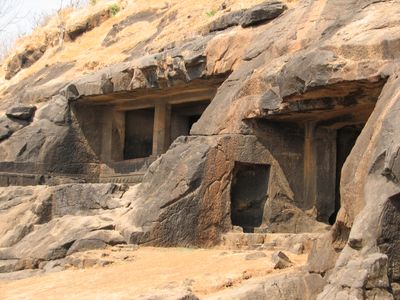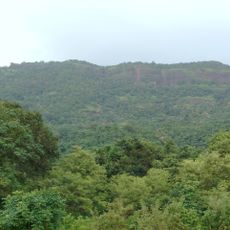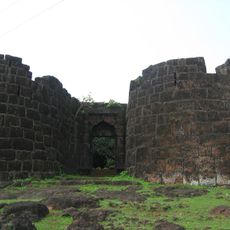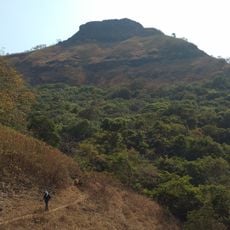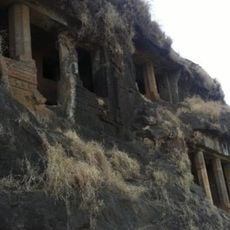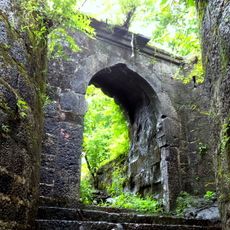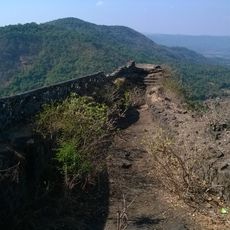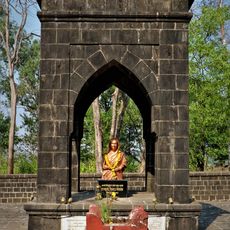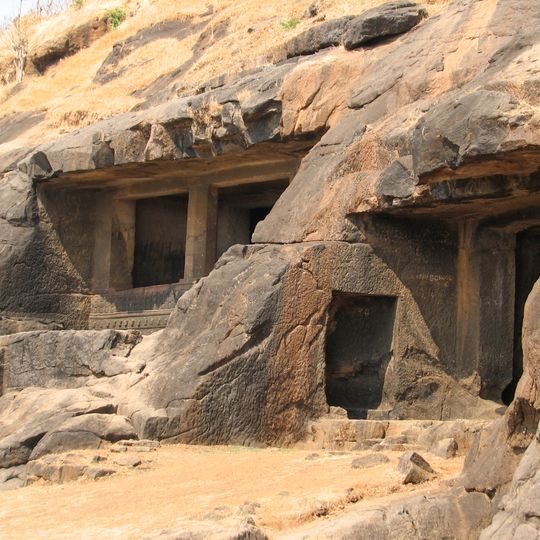
Kuda Caves, Buddhist cave complex in Raigad district, India
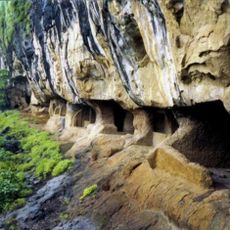
Kuda Caves is a monastic complex with 26 chambers carved directly into basalt rock, including four prayer halls and various residential areas for monks. The rooms vary in size and finish, reflecting how this site was used and expanded over an extended period.
This complex began in the 1st century BCE as a monastic retreat during Buddhism's expansion into western India. The caves show continued support from successive local rulers, highlighting their ongoing importance across several centuries.
The caves display Buddhist sculptures and carved panels showing scenes from Buddha's life, created with support from local rulers. These artworks and inscriptions reveal how people maintained their spiritual connection to this place over many generations.
Visitors should wear sturdy walking shoes because the caves have rocky and sometimes steep paths. The best time to visit is October through February when temperatures stay moderate and humidity is lower.
Cave 11 features a rare architectural element: a carving of a hippocampus accompanied by an ancient inscription marking its sacred meaning. This detail is one of the few known examples of this type in early Buddhist architecture.
The community of curious travelers
AroundUs brings together thousands of curated places, local tips, and hidden gems, enriched daily by 60,000 contributors worldwide.