Muchundi Mosque, 13th-century mosque in Kuttichira, India
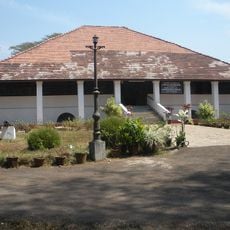
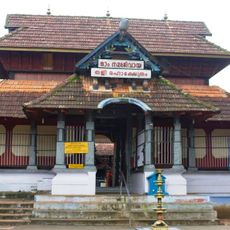
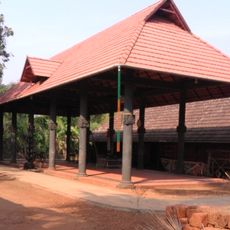
Muchundi Mosque is a granite mosque in Kuttichira, Kozhikode, built in the Kerala-Islamic style without minarets, domes or arches. Its timber roof follows the form of local Hindu temples, with carved wooden brackets and door frames shaped like lotus petals. The ceiling carries Qur'anic calligraphy with carved flowers along the sides.
A granite inscription from the 13th century records an endowment by the Zamorin of Calicut, showing that Hindu rulers supported Muslim institutions from an early period. This grant was part of the religious cooperation that marked life in this coastal region.
The mosque blends regional building features commonly seen in Hindu temples, such as decorated pillars, ventilation openings, and large water reservoirs, into its Islamic design. This mixing of styles shows how different faith communities in this region lived closely together and influenced each other's architecture.
The building sits about a mile and a half (2.4 km) from Kozhikode Railway Station and is easily reached by local taxis or auto-rickshaws. As an active place of worship, visitors should dress respectfully and follow the customs observed by worshippers at the site.
The granite slab's Old Malayalam section is in Vattezhuthu script, but its letters are raised above the surface rather than cut into it, following Islamic inscription practice. The Arabic half names Shahab al-din Raihan, a freed slave of the late Mas'ud, as buyer of the land and builder of the mosque and its well.
The community of curious travelers
AroundUs brings together thousands of curated places, local tips, and hidden gems, enriched daily by 94,642 contributors worldwide.