Baran, city in Baran district of the Indian state of Rajasthan
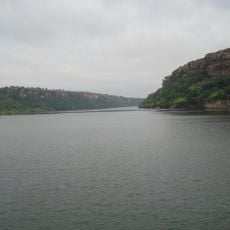
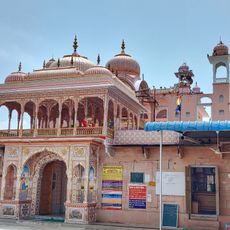
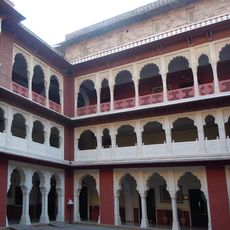
Baran is a small city in the Indian state of Rajasthan, stretched across rolling terrain with dry plains. The city has narrow streets lined with simple brick homes, small shops, and markets where farmers and traders gather, while three rivers - Parban, Parbati, and Kalisindh - nearby support farming and daily activities.
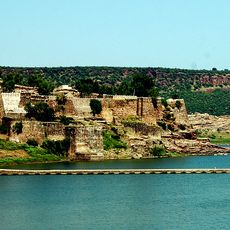
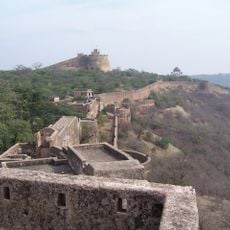
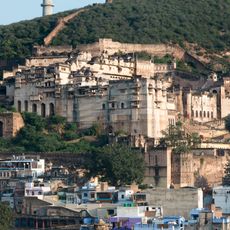
Baran was ruled by the Solanki Rajputs in the 14th and 15th centuries and later became part of the princely state of Kota until India's independence in 1947, when it joined Rajasthan. Originally known as Varah Nagari, the city fell under Mughal control, who built Shahabad Fort, a stone structure that still stands today as a reminder of the region's layered past.
The name Baran may come from twelve villages once ruled by the Solanki dynasty, or from 'Barani,' a local term for dry land. The city keeps its traditions alive through daily practices, local markets, and festivals like Teej and Gangaur, where music, dance, and colorful decorations shape community gatherings.
Baran is easily walkable since the city is small enough to explore without rush, and local tuk-tuks are available for longer distances. The best time to visit is between October and March when the weather is cool and pleasant, as summer temperatures become very hot and the monsoon brings rain between July and September.
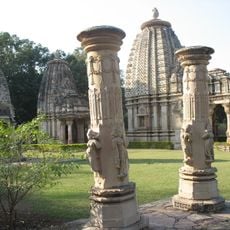
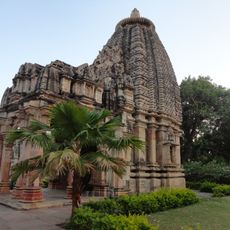
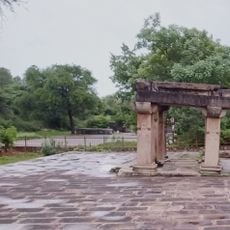
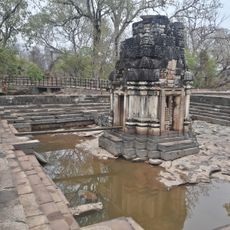
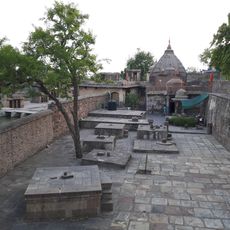
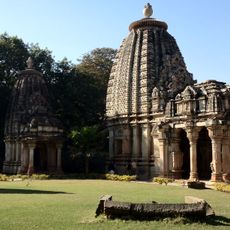
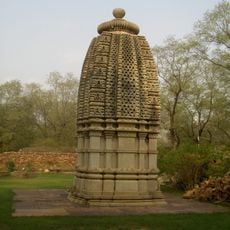
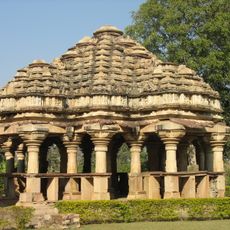
The Bhand Devra temple, over 900 years old, sits on the banks of the Ramgarh crater and marks an architectural landmark. This crater is a large, bowl-shaped depression in the land that is locally famous and draws visitors for quiet walks and nature exploration.
The community of curious travelers
AroundUs brings together thousands of curated places, local tips, and hidden gems, enriched daily by 92,681 contributors worldwide.