Kerala backwaters, Water Heritage Site and Ramsar site in Kerala, India
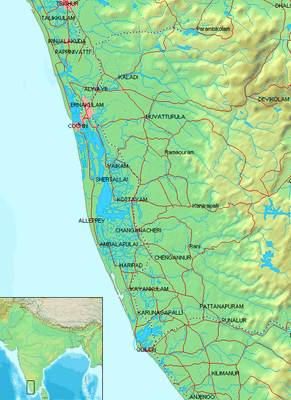
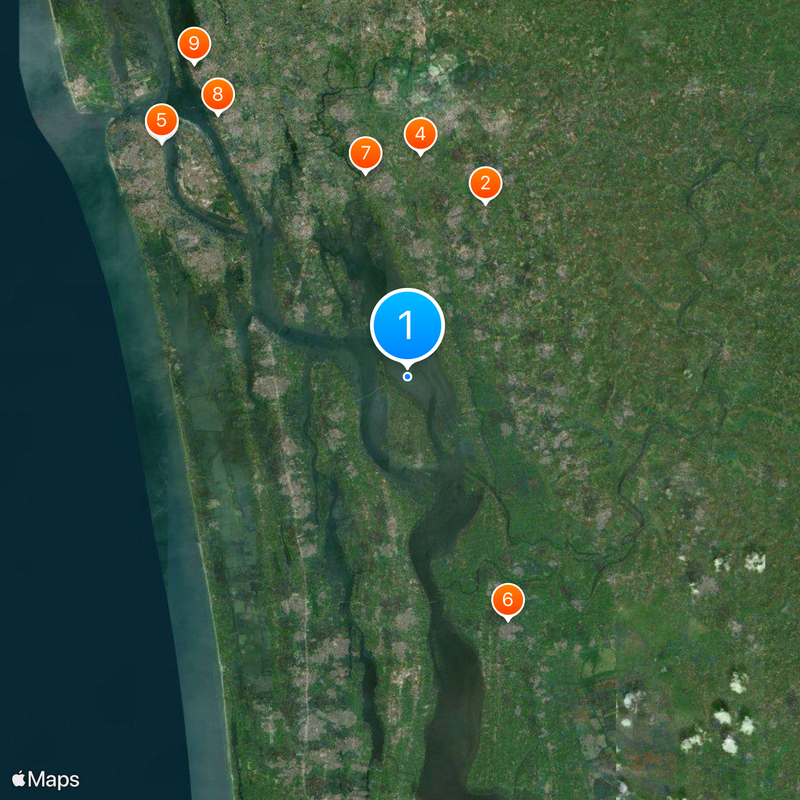
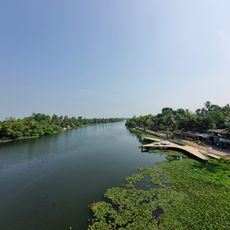
The Kerala backwaters are a network of brackish lagoons, canals, rivers and inlets running parallel to the Arabian Sea, formed by wave action and shore currents that built low barrier islands across river mouths. The system spans more than 900 km, includes five large lakes fed by 38 rivers, and holds three Ramsar-listed wetlands: Ashtamudi Lake, Sasthamkotta Lake and the Vembanad-Kol wetlands.
The backwaters have served as trade and transport routes for centuries, with the Kettuvallam cargo barges carrying goods along the canals. Since the mid-19th century, land reclamation for farmland and settlement has shrunk the waterways to about a third of their former extent; Vembanad Lake alone fell from 230 km² to 179 km².
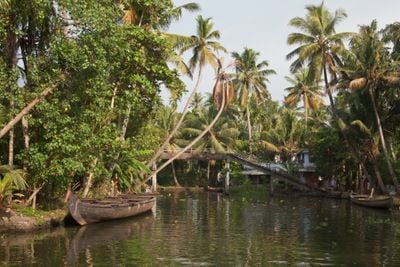
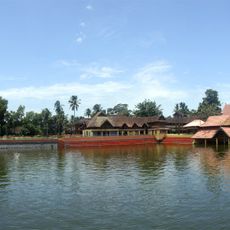
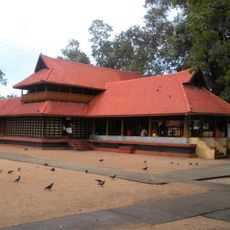
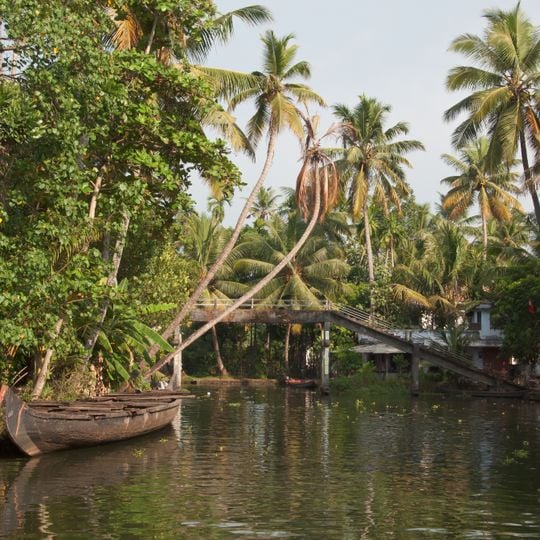
The Kuttanad region relies on traditional rice cultivation below sea level, with embankments and canals protecting the land from flooding. Villagers use flat-bottomed boats for daily transport between homes, temples, and markets along the banks.
The dry season from October through March offers the best conditions for exploring by houseboat or ferry. Visitors should bring light clothing and sun protection, as the waterways provide little shade and humidity remains high.
The Kettuvallam houseboats were traditionally grain barges carrying rice from the Kuttanad fields, with thatched roofs over wooden hulls about 30 m long; some later served as living quarters for royalty. After sunset the crew burns coils to drive away mosquitoes, and some boats switch off electricity and use lanterns instead.
The community of curious travelers
AroundUs brings together thousands of curated places, local tips, and hidden gems, enriched daily by 92,702 contributors worldwide.