Civil Lines, human settlement in India
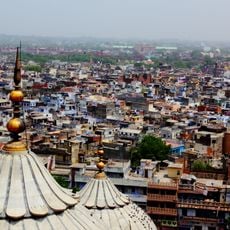
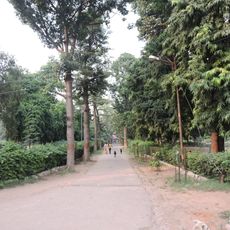
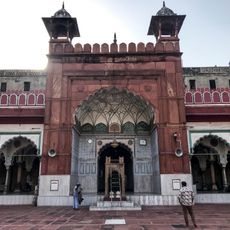
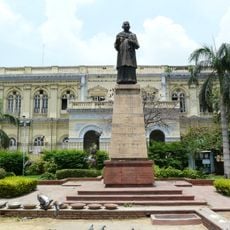
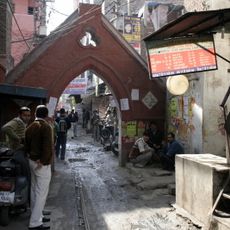
Civil Lines is a residential neighborhood in Delhi created during the British colonial period. The area features wide streets, large homes set behind tall gates, mature trees, and gardens that give it a spacious and quiet character distinct from other parts of the city.
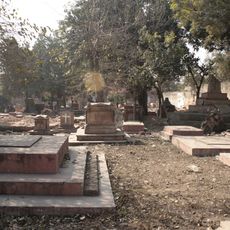
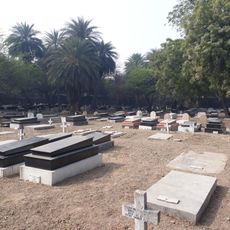
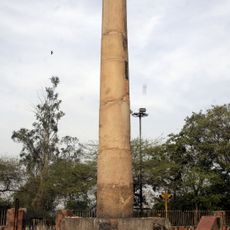
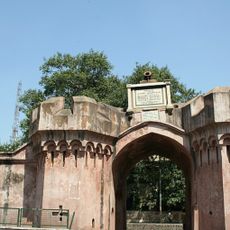
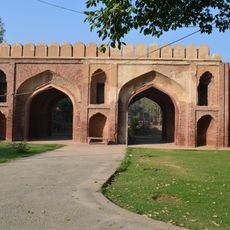
Civil Lines was established in the early 1800s by the British after defeating the Marathas and building a European-style settlement. The area witnessed major events in 1857, including military conflicts and the construction of memorials such as the Victory Memorial.
The name Civil Lines comes from its origins as a settlement for British administrative officials during colonial rule. Walking through the neighborhood today, you can observe how this history shaped the layout of wide streets, large homes, and public spaces that residents and visitors still use.
Civil Lines is easily accessible by metro, particularly via the Civil Lines station on the Yellow Line and the nearby Kashmere Gate station. The neighborhood has schools, hospitals, and various restaurants and hotels nearby, making it convenient for both residents and visitors to access everyday services.
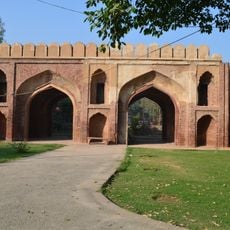
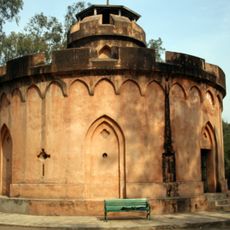
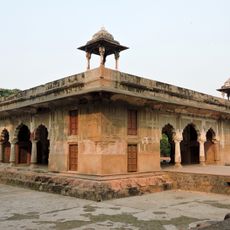
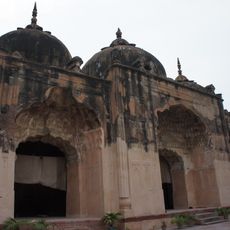
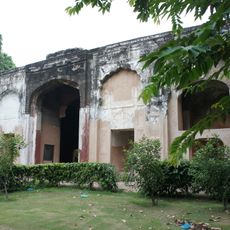
Qudsia Bagh, a Mughal-era garden from the 1700s near the neighborhood, displays elements from an earlier period that remain visible despite damage from the 1850s. This historic garden offers visitors a rare glimpse into Mughal architecture and garden design.
The community of curious travelers
AroundUs brings together thousands of curated places, local tips, and hidden gems, enriched daily by 92,454 contributors worldwide.