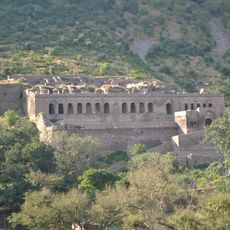
Dhosi Hill, Sacred mountain in Mahendragarh district, India
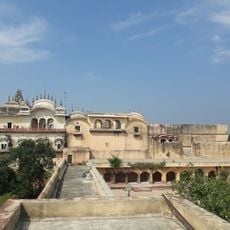
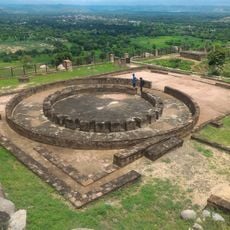
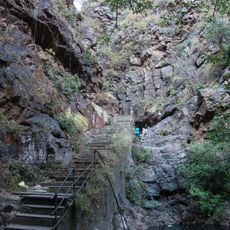
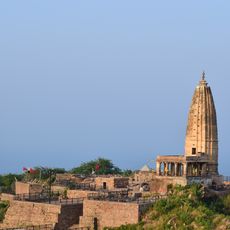
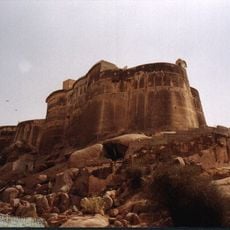
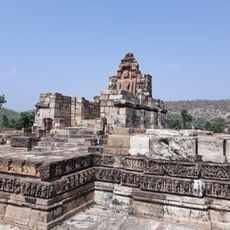
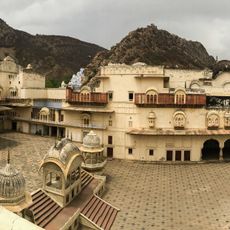
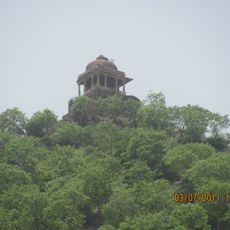
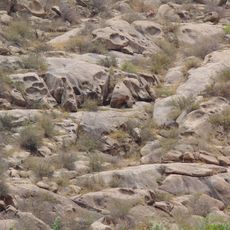
Dhosi Hill rises as an extinct volcanic formation at the northwestern edge of the Aravalli mountain range. The slopes display steep rocky paths leading toward a crater summit, with remains of fortified structures scattered across the high ground.
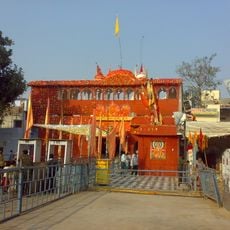
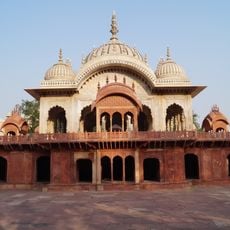
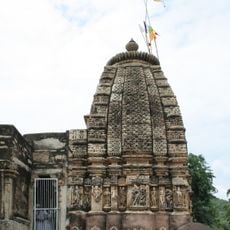
Dhosi Hill was an important site in the Vedic period, when scriptures such as the Mahabharata, the Puranas and the Shatapatha Brahmana place the ashrams of rishis Bhrigu and Chyavana on its slopes. Its fort, with walls up to 25 feet high and 40 feet wide, was built in the medieval period to protect the hill's heritage and ashrams from attacks by Muslim invaders. In the 1890s the Bhargava community built a fort modelled on the temple of Chyavana at the crater, replacing the old temple.
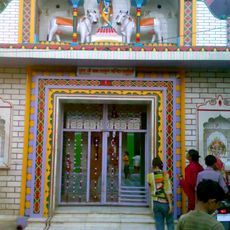
The hill is linked to Chyavana Rishi and his father Bhrigu Rishi, whose ashrams stood here, and to the first preparation of chyavanprash by the Ashvini Kumar twins for Chyavana. The villages at its foot, including Dhunsra, trace descent from these rishis. A plaque on the summit dam records that the reservoir is open to all Hindu pilgrims, Sanatani, Harijan, Arya Samaji, Buddhist, Jain and Sikh.
Multiple hiking routes reach the summit, with the shortest taking around 1 to 2 hours on foot and starting from Dhosi village. Bring plenty of water and start your climb in early morning hours to avoid afternoon heat.
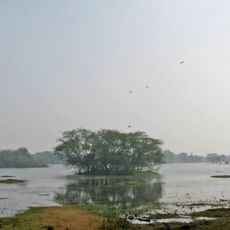
The summit reservoir was desilted and given a concrete dam in 1944 by the Birla brothers, led by G. D. Birla of nearby Pilani, in memory of their father Raja Baldev Rai Birla. A plaque on the dam states the water may be used for bathing by Hindu pilgrims of all shades, including Sanatani, Harijan, Arya Samaji, Buddhists, Jains and Sikhs.
The community of curious travelers
AroundUs brings together thousands of curated places, local tips, and hidden gems, enriched daily by 92,677 contributors worldwide.