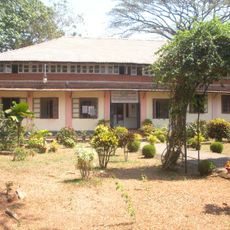
Mananchira, Rectangular freshwater pond in Kozhikode, India
Mananchira is a rectangular, man-made freshwater pond in the centre of Kozhikode, 3.49 acres (14,120 m2) in area and fed by a natural spring. The laterite dug out of it was used to build two palaces, east and west of the water. Since the late 19th century a municipal ruling has reserved it for drinking water only, banning bathing, washing and recreation.
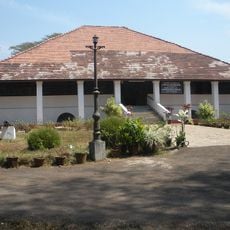
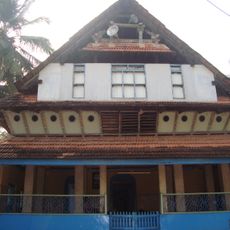
Mananchira was dug around the 14th century as a bathing pool for the Zamorin Mana Vikrama, ruler of Kozhikode. The laterite removed during excavation was used to build two palaces, east and west of the pond. It is said that in Tipu Sultan's time the pond was given to Sayed Jifri as a drinking water source. In the late 19th century the municipal council reserved it for drinking only, banning bathing, washing and recreation, a rule still in force.
The pond's name is said to derive from Mahadevan Samoothiri, the former ruler of Kozhikode: Mana-vedan Chira became Mana-an-Chira. The northern side, Muthalakkulam, is still used by professional laundries as a cloth-drying ground. The Mananchira Ayyappan Vilakku, a religious function held every December, took place on the adjacent maidan before moving to Muthalakulam Maidanam.
The pond itself is not open for bathing or swimming, but the surrounding park with statues is accessible for visitors to walk and rest. Early morning hours offer the most comfortable time to explore the area.
The laterite dug out to create the pond was used to build two palaces, one to its east and one to its west. In the late 19th century the municipal council reserved the water for drinking only and banned bathing, washing and recreation, a rule still in force. A 2000 study by scientists from the Central Water Analysis Laboratory and Pondicherry Central University found heavy bacterial contamination during the monsoon and high alkalinity afterwards.
The community of curious travelers
AroundUs brings together thousands of curated places, local tips, and hidden gems, enriched daily by 92,946 contributors worldwide.