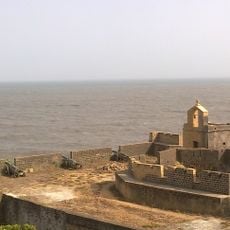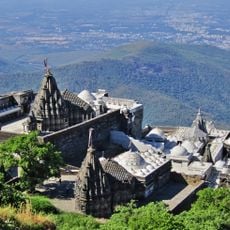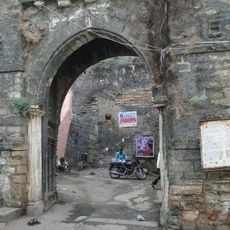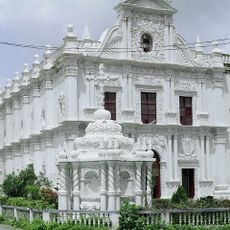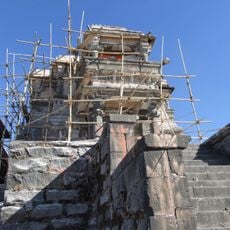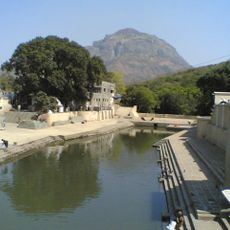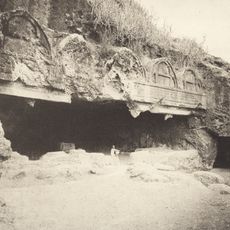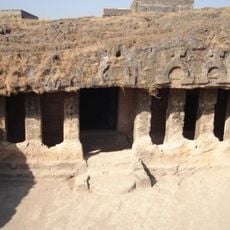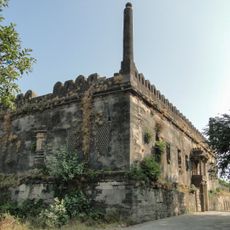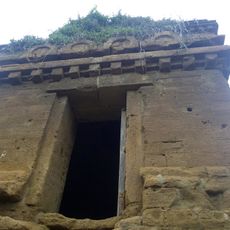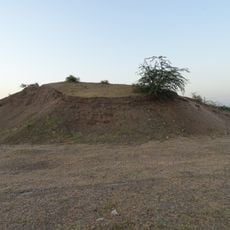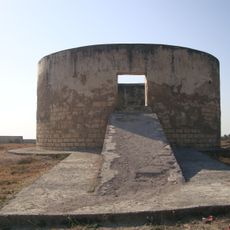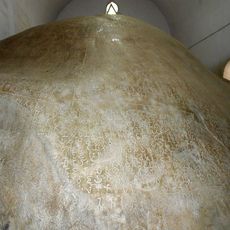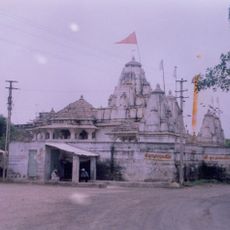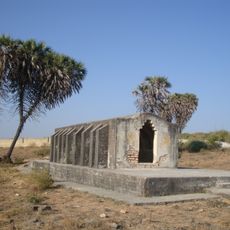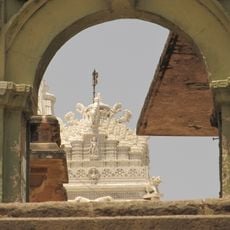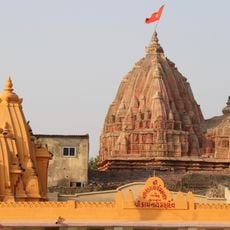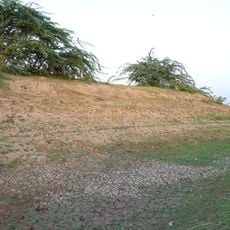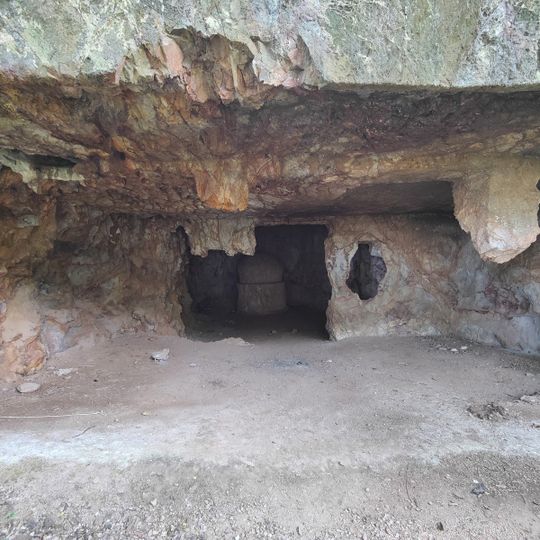
Sana Caves, Buddhist cave complex in Junagadh district, India.
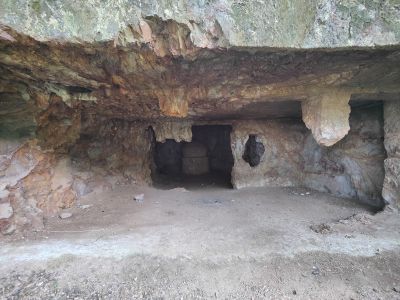
Sana Caves are a rock-cut Buddhist complex in Junagadh district, Gujarat, spread across three slopes of a plateau above the River Rupen. The site holds 62 chambers of varying sizes, with the largest one, known as Bhima-ni-Cori, cutting especially deep into the rock.
The caves were carved from the 2nd century BC as retreats for Buddhist monks seeking a place for spiritual practice. Over time, the site grew into a place where religious communities settled and built their lives across generations.
The caves display Buddhist elements such as stupas, chaityas, and viharas that remain visible today. Walking through the chambers, you can see how these spaces were shaped for gathering and practice.
The site sits on a plateau with uneven ground, so sturdy footwear and some physical readiness are a good idea before heading out. Visiting in the dry season makes it much easier to move between the different slopes and explore the chambers comfortably.
Chamber 48 stands out from the rest because it contains two separate halls with stone benches running along the walls. This layout suggests the space was set aside for a specific type of gathering or teaching that differed from how other chambers were used.
The community of curious travelers
AroundUs brings together thousands of curated places, local tips, and hidden gems, enriched daily by 60,000 contributors worldwide.