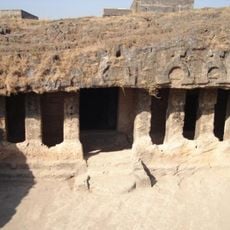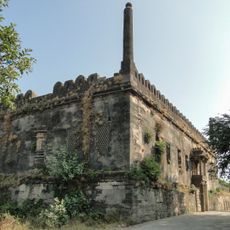
Damodar Kund, Sacred lake in Junagadh district, India.
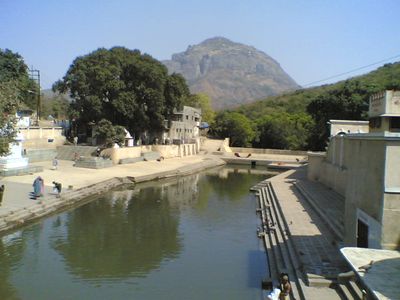
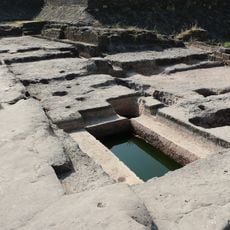
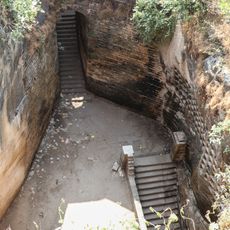
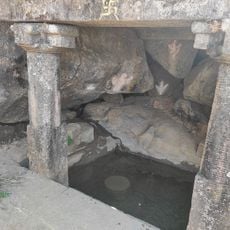
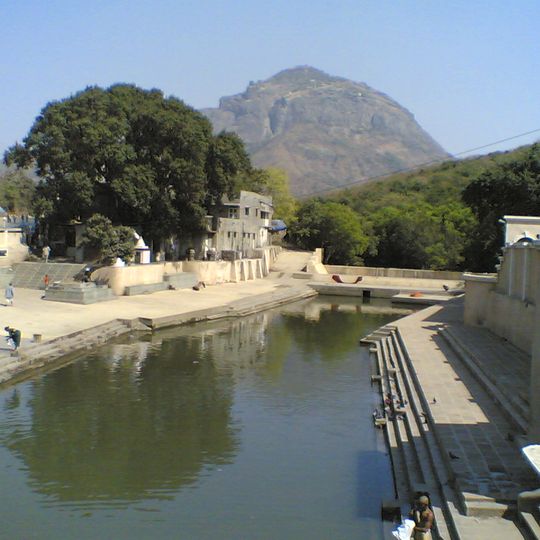
Damodar Kund is a lake nestled at the foothills of Girnar Hills and enclosed by constructed stone steps that descend toward the water. The water level changes with the seasons and is managed through a system of channels and barriers.
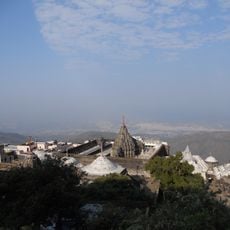
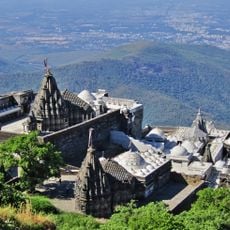
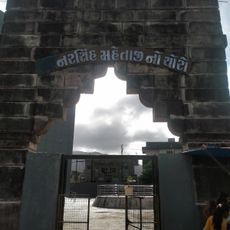
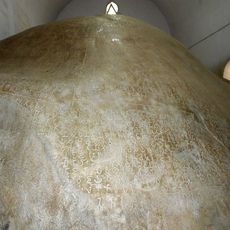
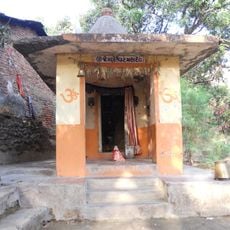
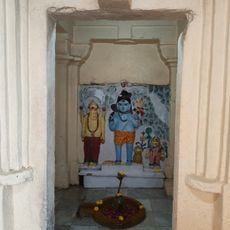
The Damodar Hari Temple beside the kund is attributed to Vajranabha, grandson of Krishna, and to renovation by the Suryavanshi ruler Chandraketpur. The temple complex was renovated in 462 AD during the reign of Gupta king Skandagupta. The Narsinh Mehta temple nearby was built in the 1890s under Nawab Sir Muhammad Bahadur Khan III, at the instance of his diwan Haridas Viharidas Desai.
The lake serves as a place where followers scatter the ashes of deceased loved ones, believing this ritual brings spiritual release to their souls. This practice shapes how people gather at the water and connect with longstanding beliefs about the afterlife.
Water levels change noticeably between seasons, so expect different conditions depending on when you visit. The constructed steps around the perimeter make it easy to navigate and access different areas of the lake.
The Damodar Kund is fed by a temporary check-dam reservoir that is built and shifted regularly to keep water in the tank all year. The lake measures 257 feet by 50 feet but is only 5 feet deep, and the Gujarati account says bones placed in it dissolve into water, unlike the spiral form they take in the Gomti or the moss form in the Ganga.
The community of curious travelers
AroundUs brings together thousands of curated places, local tips, and hidden gems, enriched daily by 93,130 contributors worldwide.