Pistoia, Historic commune in Tuscany, Italy
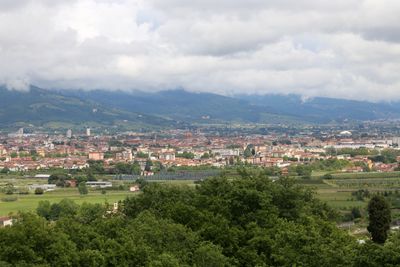
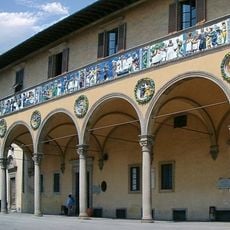
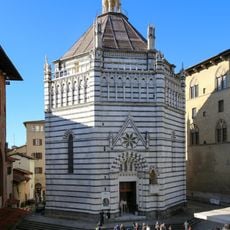
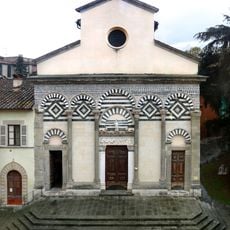
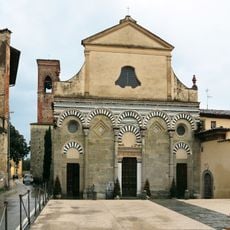
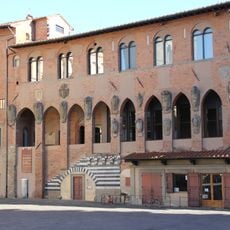
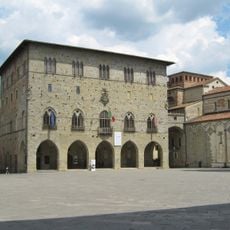
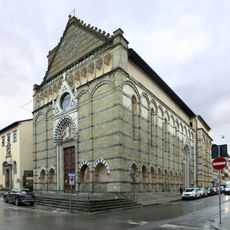
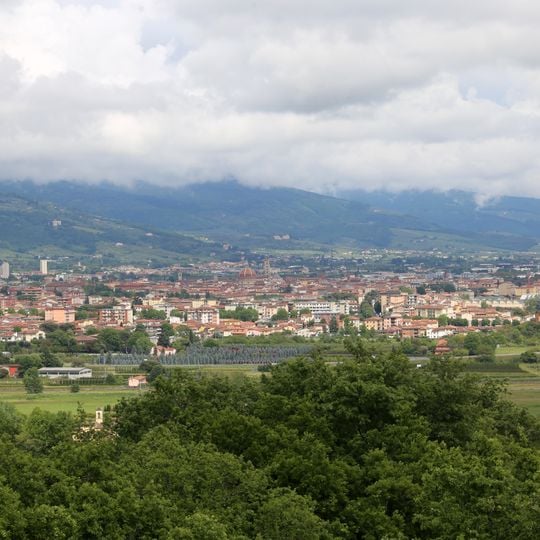
Pistoia is a commune in the province of Pistoia in Tuscany and forms the administrative center of the area sharing its name. The old town gathers churches, cloisters and palaces around the cathedral square, which reveals the layout of the medieval core.
Gallic settlements, Ligurian and Etruscan communities gave way to a Roman colony in the 6th century BC that grew along the Via Cassia. Later the town evolved into a trade junction and maintained its role through the medieval centuries.
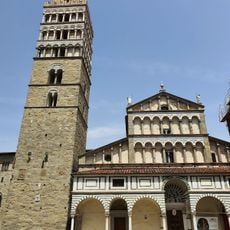
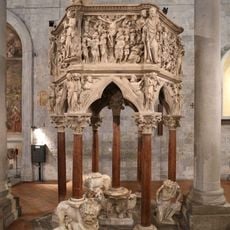
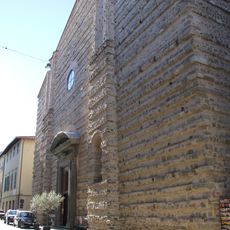
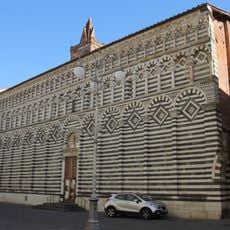
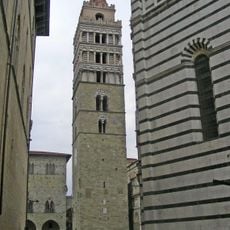
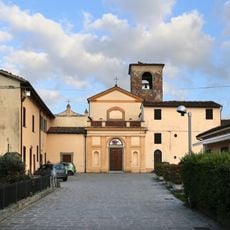
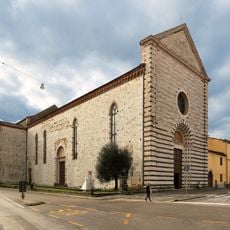
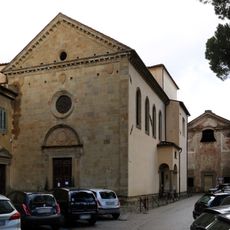
The cathedral stands above the central square and has carried the name of Saint Zeno for centuries, while silver decorations and figures at the altars shape the interior spaces. On feast days residents gather in the lanes around the building, and the churches remain meeting points for services and public occasions.
A railway station on the Viareggio–Florence line connects the commune with surrounding towns, and regional bus routes run across the area. The old town can be explored on foot, and many lanes lead directly to the cathedral square at the center.
Flower markets and nurseries around the old town supply plants to other regions of Italy and shape the daily life of many residents who work in this trade. Early in the morning trucks carrying seedlings and cut flowers roll through the narrow streets before market stalls open.
The community of curious travelers
AroundUs brings together thousands of curated places, local tips, and hidden gems, enriched daily by 60,000 contributors worldwide.