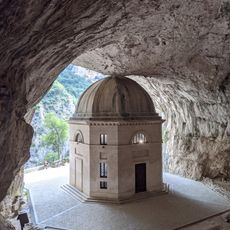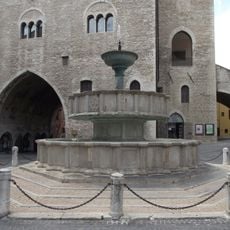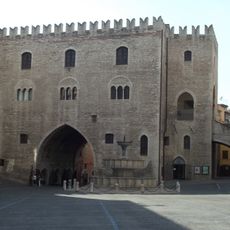
Museo speleo paleontologico e archeologico di Genga, Speleopalaeontological and archaeological museum in Genga, Italy
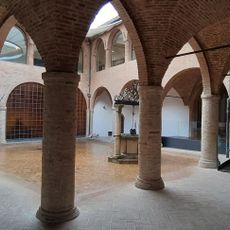
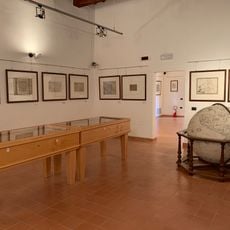
The Museo speleo paleontologico e archeologico di Genga is a natural history and archaeology museum housed in a former monastery in the Marche region, displaying fossils and excavated finds. The collections document life from various geological and historical periods in the area.
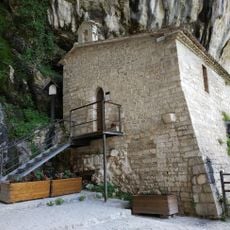
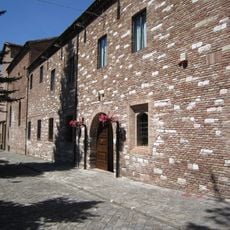
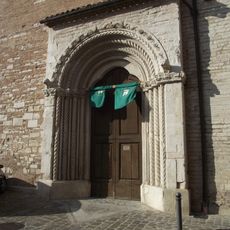
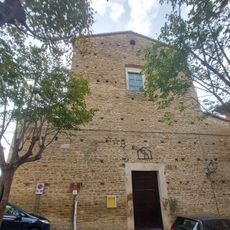
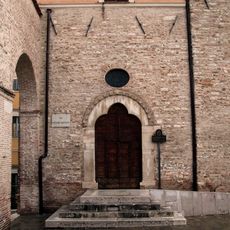
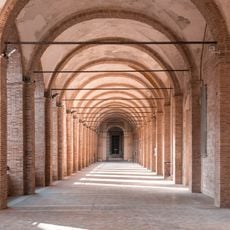
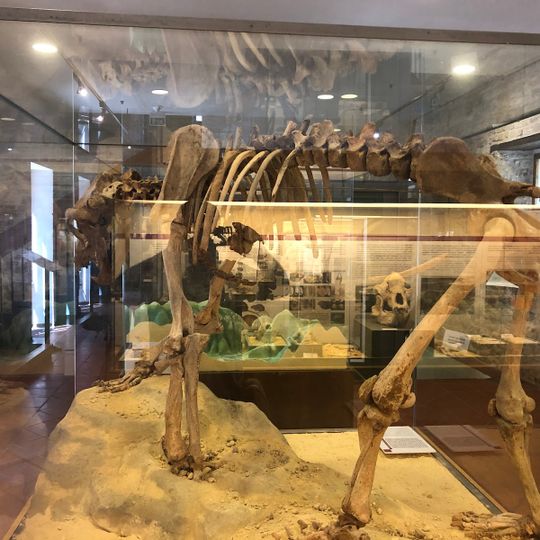
The museum occupies the 11th-century cenobium of the Abbey of San Vittore. Its centerpiece, the Ittiosauro di Genga, was found on 20 July 1976 at Camponocecchio during construction of a tunnel for the SS76 Val d'Esino road. After decades of neglect following its display in Verona in 1980, palaeontologist Umberto Nicosia studied it and the species was formally described in 2016; the Superintendency then funded restoration and museum display.
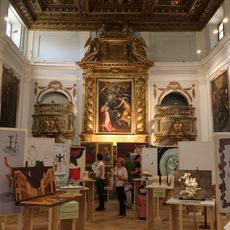
The displays show how people in the Marche region lived across different periods through objects uncovered locally. Visitors can see the traces of human settlement directly through the artifacts on display.
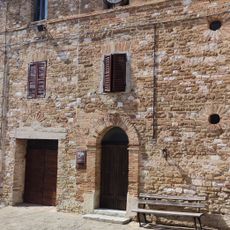
The site is located in a former monastery that is easy to explore and accessible for visitors with a general interest in history. It is worthwhile to allow adequate time to view the larger fossils, as these are central pieces of the collection.
The fossil was found on 20 July 1976 at Camponocecchio during tunnelling for the SS76 Val d'Esino road, then set aside for years after the 1980 Verona exhibition. Palaeontologist Umberto Nicosia resumed study, and the species was formally described only in 2016.
The community of curious travelers
AroundUs brings together thousands of curated places, local tips, and hidden gems, enriched daily by 94,020 contributors worldwide.