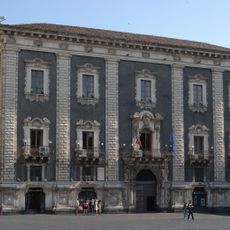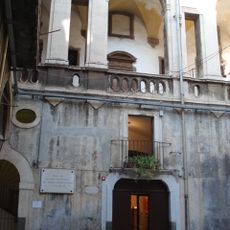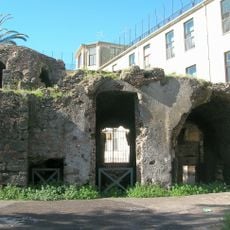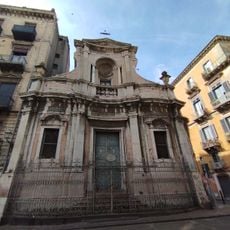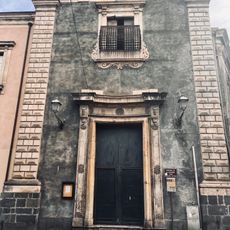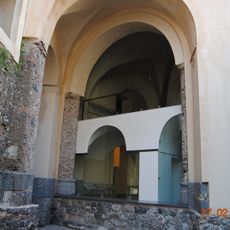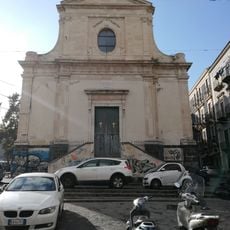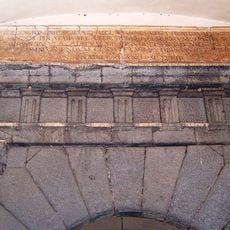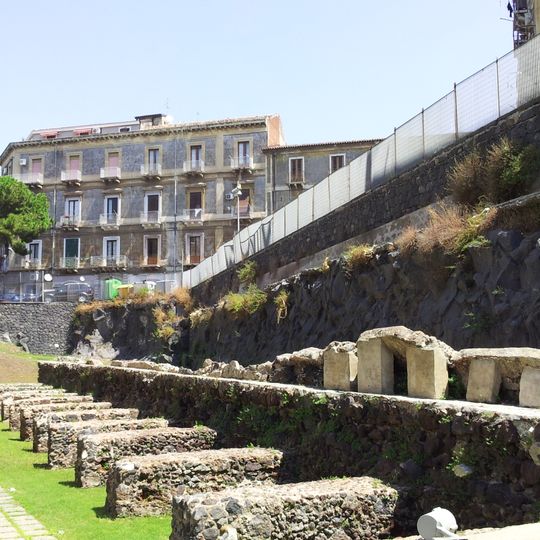
Mura di Carlo V, Defensive wall structure in Catania, Italy.
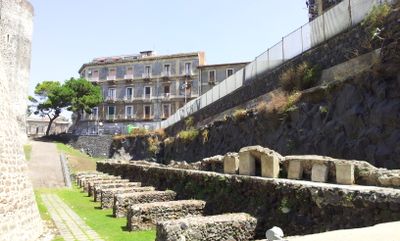
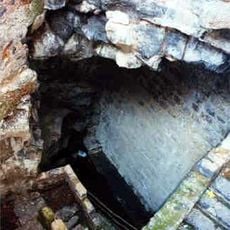
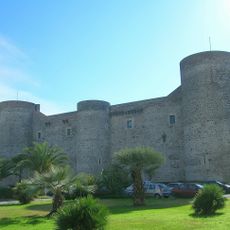
The Mura di Carlo V is a fortification system with eleven bastions and multiple access gates built from local volcanic stone around the city perimeter. The structure extends across different sections, connecting areas like the Bastione degli Infetti and the Bastione del Tindaro.
Construction began in 1541 under Viceroy Vega following Emperor Charles V's orders to defend the city against Turkish invasions. The walls were part of a broader defense strategy for the Kingdom of Sicily against maritime threats.
The walls' name recalls Charles V, Holy Roman Emperor and King of Spain, under whom the fortifications were built; the gates were among eight openings in the circuit. The bastions carry the names of saints and city districts, such as San Michele, near today's piazza Turi Ferro, formerly piazza Spirito Santo, and Sant'Euplio, at piazza Sant'Antonio Abate.
The preserved sections offer several walking routes through Catania, allowing you to explore different bastions and their positions along the former city wall. Most areas are accessible on foot and require no special equipment.
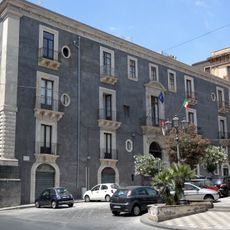
The lower ramparts survive because palaces were built directly on top of them: Palazzo Biscari, the Arcivescovado and the Seminario dei Chierici rise above this stretch of wall, against the wishes of the Duke of Camastra. Look for the steep sloping masonry at their base.
The community of curious travelers
AroundUs brings together thousands of curated places, local tips, and hidden gems, enriched daily by 94,547 contributors worldwide.