Diocesan Museum of Padua, Religious art museum in Padua, Italy
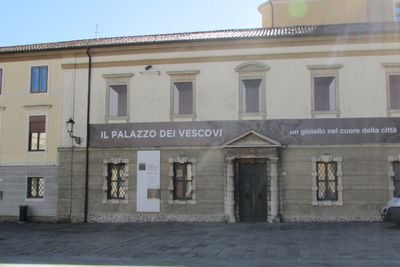
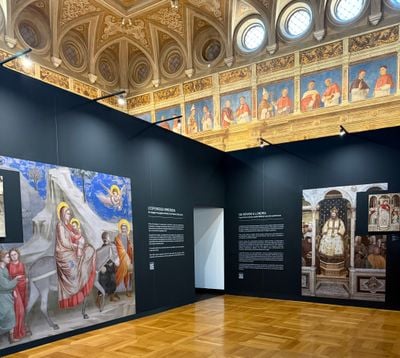
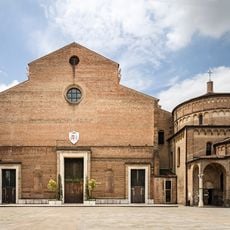
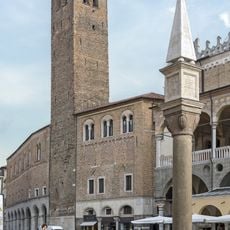
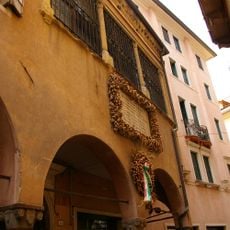
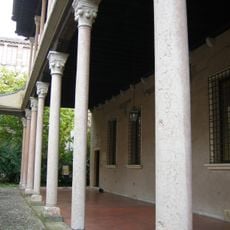
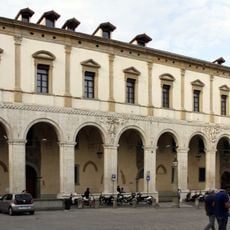
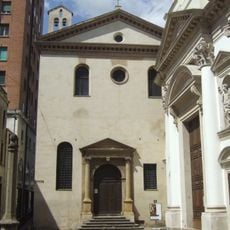
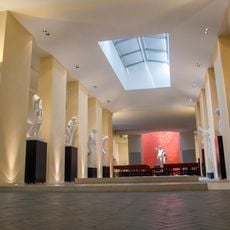
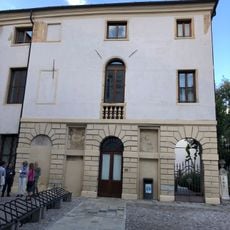
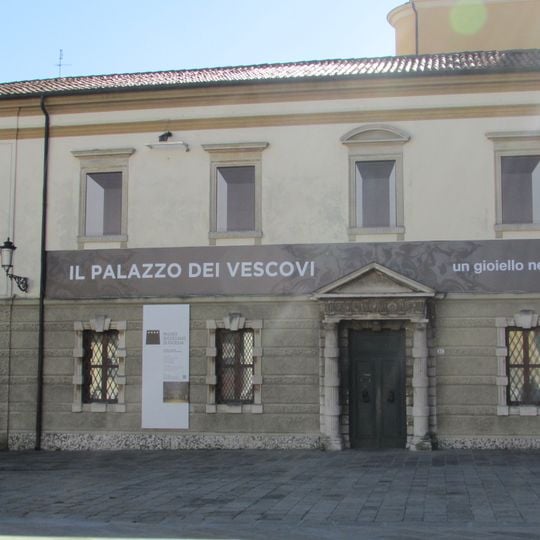
The Diocesan Museum occupies a Renaissance palace built for the bishop beside Padua Cathedral, with galleries spread across two levels displaying religious artworks and ceremonial objects. The rooms contain paintings, sculptures, textiles, and liturgical items gathered from churches throughout the region.
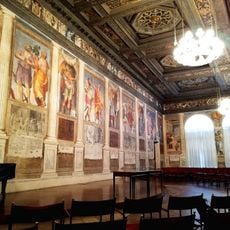
The Palazzo Vescovile, which houses the museum, was founded in the early 14th century and rebuilt in the 15th century. Bishop Pietro Barozzi (1487–1507) commissioned the chapel of Santa Maria degli Angeli, built in 1495 by Lorenzo da Bologna. The museum itself opened in 2000, and the Salone dei Vescovi was restored in 2006.
The museum keeps a large group of ex voto offerings in its 19th-century room, objects tied to popular devotion rather than to the cathedral liturgy. The liturgical vestments section holds two dalmatics with maniple and stole from the late 15th century, and a set embroidered in gold thread with a papal coat of arms given to the cathedral by Pope Clement XIII, bishop of Padua from 1743 to 1758.
The museum is open Tuesday through Sunday from 10:00 to 13:00, then 14:00 to 18:00, with reduced hours on Mondays. You will find it near the cathedral in central Padua, easy to walk to from most parts of the city.
The bishop portraits were begun in the early 16th century by Bartolomeo Montagna and later retouched and completed over the following centuries. The series runs from Saint Prosdocimus, the first bishop, to Pietro Barozzi, who commissioned the cycle. A detached fresco of the poet Francesco Petrarca, taken from his Paduan house, hangs in the same hall.
The community of curious travelers
AroundUs brings together thousands of curated places, local tips, and hidden gems, enriched daily by 93,310 contributors worldwide.