Parco naturale-archeologico dell'Inviolata, Regional park in Guidonia Montecelio, Italy
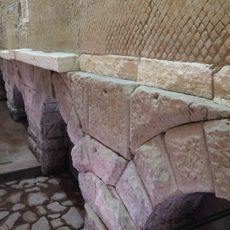
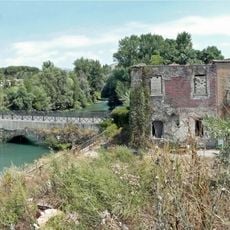
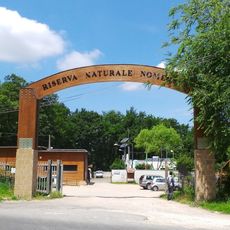
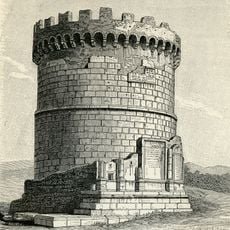
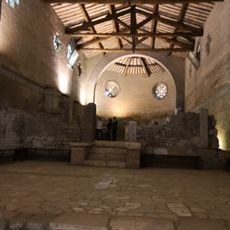
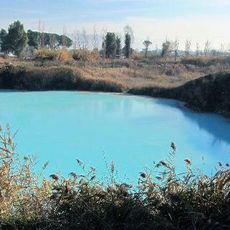
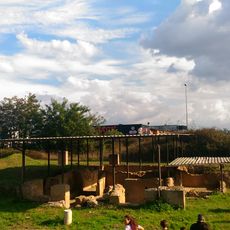
The Parco naturale-archeologico dell'Inviolata covers 535 hectares in Guidonia Montecelio, from the Cornicolani hills and Fosso Capaldo to the Aquae Albulae basin. Within it lie the four small lakes of Tor Mastorta, the streams Fosso del Cupo, Fosso Capaldo and Fosso dell'Inviolata, and scattered woods around the watercourses. Roman tombs, villas and towers, including the Torraccia tomb with its Greek-cross cell, stand among olive groves and wheat fields.
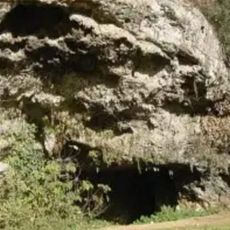
The park preserves evidence of human settlement from the Middle Paleolithic period through the end of the Bronze Age, shown through discovered tools and artifacts. Later Roman structures were built atop these early traces, indicating continuous use of the area over thousands of years.
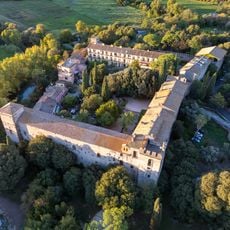
The park's best-known find is the Triade Capitolina dell'Inviolata, a marble group of the three Capitoline deities, the only example of its kind recovered here. It is now kept in the former Convent of San Michele Arcangelo in Montecelio. The name Inviolata itself seems to come from the Roman nunnery of Santa Maria in via Lata, which owned the estate.
The park exists only on paper: it was never placed under protection, has no signage, and all land within it is privately owned. There are no marked trails or visitor facilities, so access depends on the private owners. The Fiano-San Cesareo link road crosses the area, and the Inviolata landfill lies within its boundaries.
The park's most notable find is the Triade Capitolina dell'Inviolata, a marble group now kept in the former Convent of San Michele Arcangelo in Montecelio; it is the only example of its kind found here. Paradoxically, the Inviolata landfill and a stretch of the Fiano-San Cesareo motorway link lie within the park's own boundaries.
The community of curious travelers
AroundUs brings together thousands of curated places, local tips, and hidden gems, enriched daily by 93,141 contributors worldwide.