Kastron Mefaa, Archaeological site in Umm ar-Rasas, Jordan.
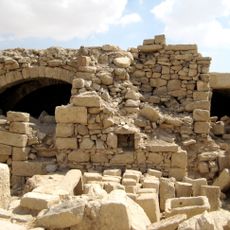
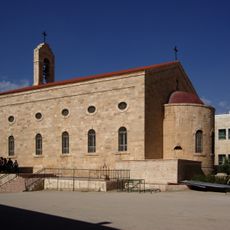
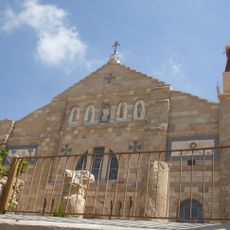
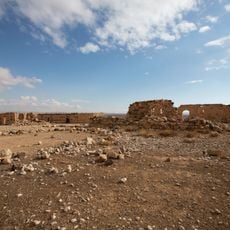
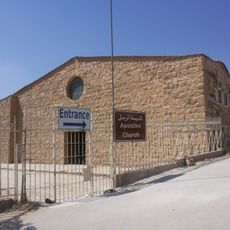
Kastron Mefaa is a rectangular late Roman fort at Umm er-Rasas, built of limestone from local Maastrichtian layers. Its walls, towers and gates are partly well preserved. The interior was later altered by Byzantine civilian reuse, and several churches stand within the enclosure.
The site began as a Roman military garrison in the 3rd century and later became an important Christian center for several centuries. It remained inhabited until around the middle of the 9th century before gradually being abandoned.
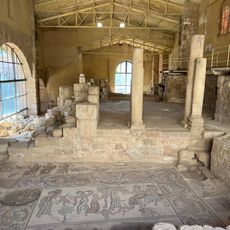
The Church of Saint Stephen displays a remarkable mosaic floor created in the 8th century that shows hunting scenes and everyday activities of that era. These decorative tiles reveal how the community expressed both religious faith and their connection to daily life.
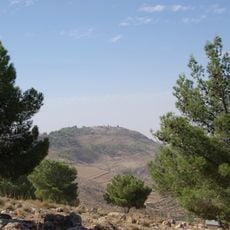
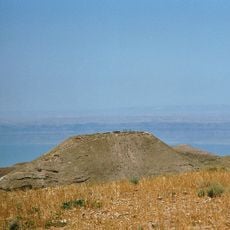
Kastron Mefaa lies 80 kilometers south of Amman and 30 kilometers southeast of Madaba, north of the Wadi Mujib at Umm er-Rasas. The fort stood on a side road branching off the Via Traiana Nova, linked by a paved road to the southern fort of Qasr eth-Thuraiya. The ground is uneven limestone; bring water and sun protection.
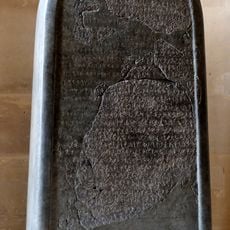
The site's name Mefaa echoes the biblical Mephaath, a Levitical city in the territory of Reuben. Early 19th-century travellers heard Bedouin tales of a city wall held together with lead instead of mortar. The German orientalist Ulrich Jasper Seetzen recorded this story in 1807 but never reached the ruins.
The community of curious travelers
AroundUs brings together thousands of curated places, local tips, and hidden gems, enriched daily by 94,624 contributors worldwide.