Suwa Shrine, Shinto shrines in Nagasaki Prefecture, Japan
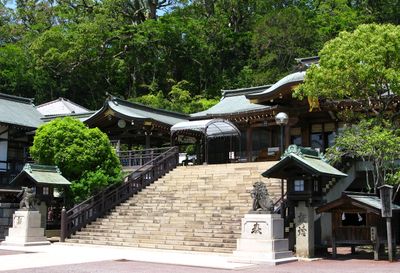
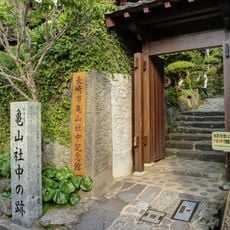
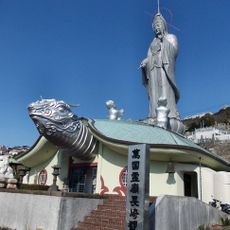
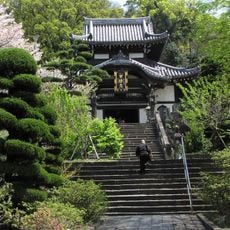
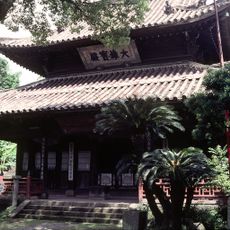
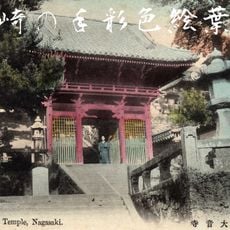
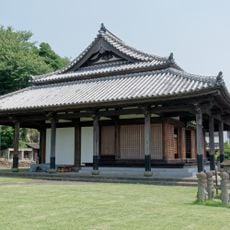
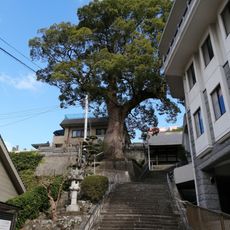
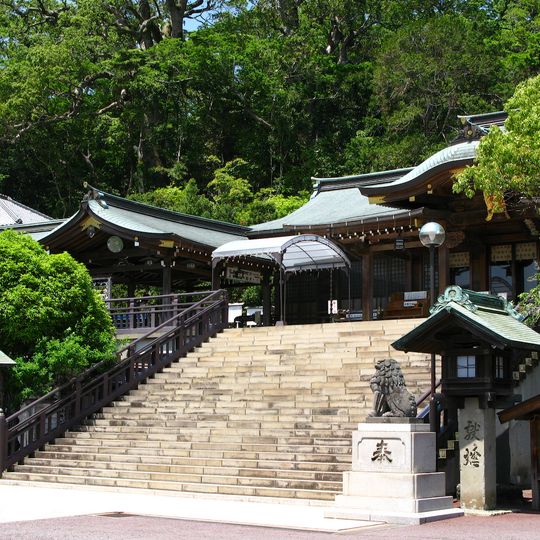
Suwa Shrine is a Shinto shrine located on a hilltop above Nagasaki's city center, featuring traditional Japanese architecture with simple rooflines and a torii gate at the entrance. The grounds include a main prayer hall called the Haiden, the sacred inner sanctuary called the Honden, a performance stage for festivals, guardian statues, and a stone staircase with 277 steps that leads visitors upward through multiple traditional gates.
The shrine was originally built during Japan's Warring States period but was destroyed by Christians who saw it as a symbol of traditional beliefs, and was rebuilt in 1625 in an area called Matsumori. It was later relocated to its current hilltop location and survived the 1945 atomic bombing, becoming a symbol of Nagasaki's resilience.
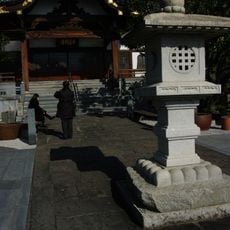
The shrine has served the local community for over 400 years and remains a gathering place for prayers and family traditions. Visitors can see people lighting incense, ringing bells, leaving offerings at altars, and purchasing charms, which are daily practices that connect the present to past customs.
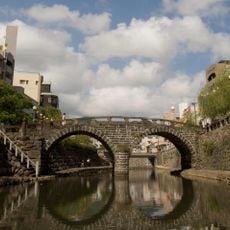
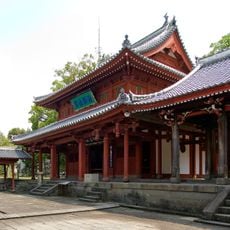
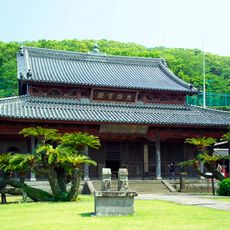
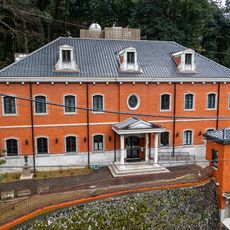
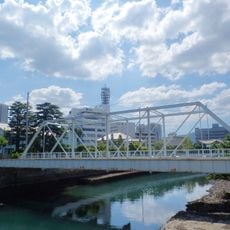
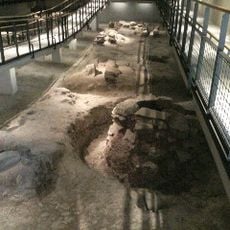
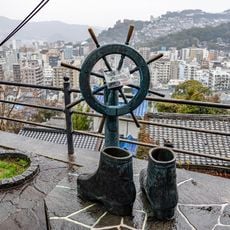
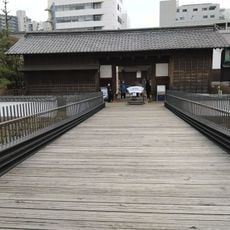
The shrine is accessible by regular sightseeing buses that run through Nagasaki, and the climb up 277 steps offers views of the city below as you ascend. Plan to walk the stairs at a leisurely pace and allow time to explore the grounds, especially if you want to visit nearby historical sites like the Spectacles Bridge or the Museum of History and Culture in the same area.
The shrine houses special guardian statues called komainu, some with unusual properties like the money-doubling lion that visitors believe increases wealth. There are also Stop Lions where people tie paper or string when they want to change habits like smoking or drinking, making these statues part of a living practice visitors can observe.
The community of curious travelers
AroundUs brings together thousands of curated places, local tips, and hidden gems, enriched daily by 92,764 contributors worldwide.