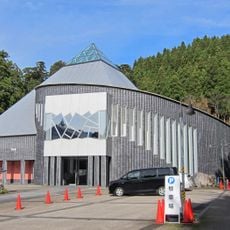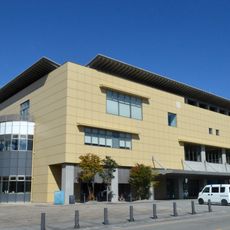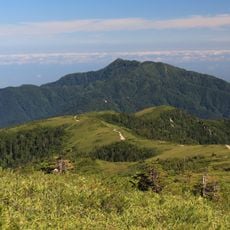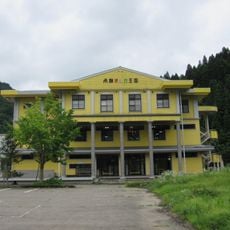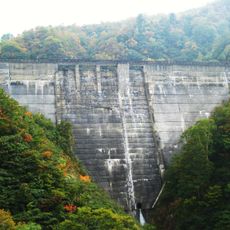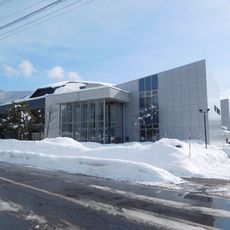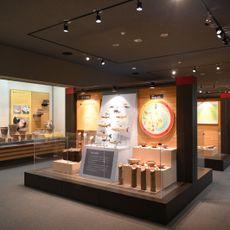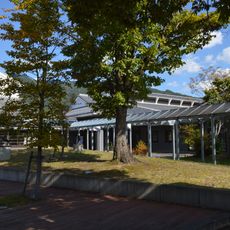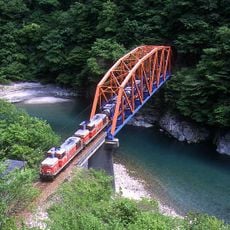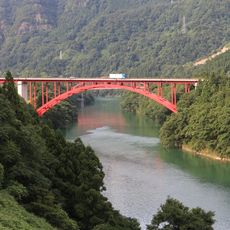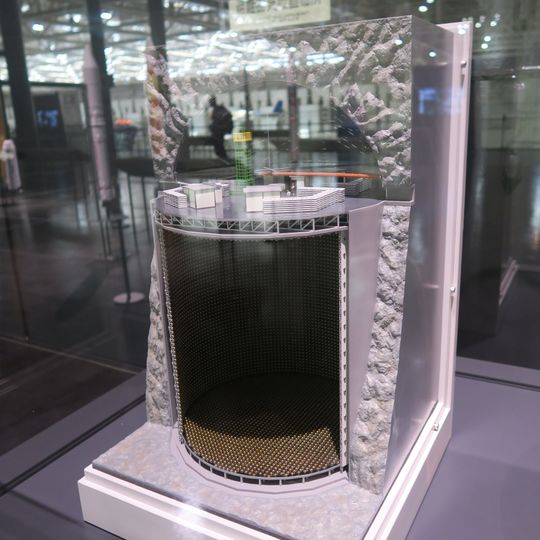
Super-Kamiokande, Neutrino detector in Hida, Japan
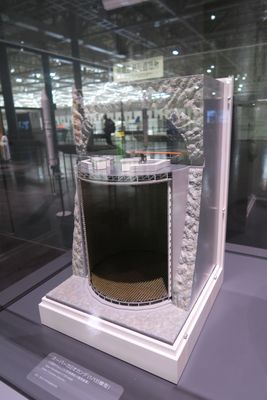
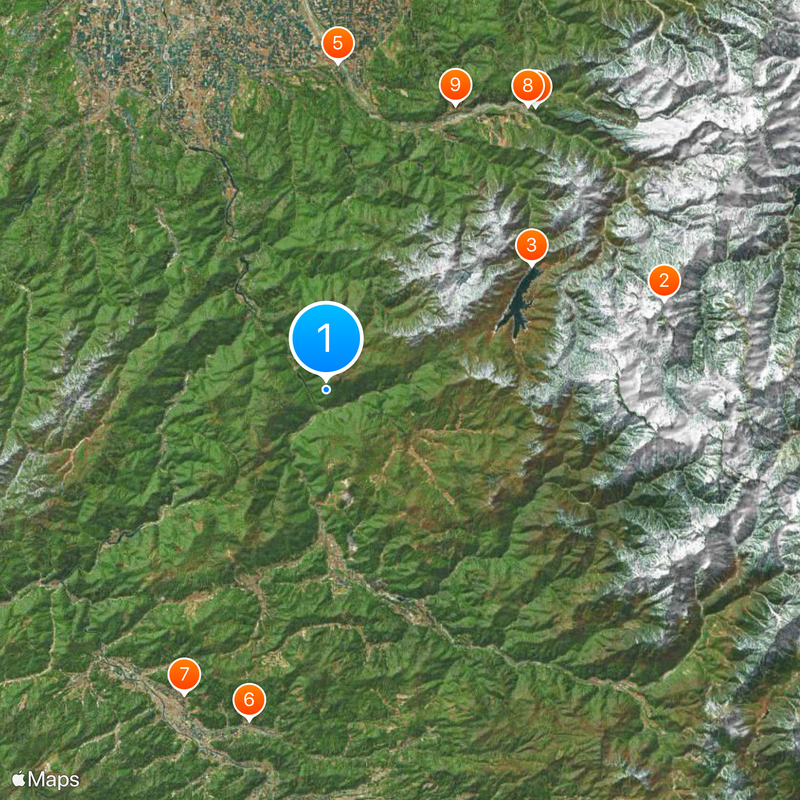
Super-Kamiokande is an underground detector in the mountains near Hida, consisting of a huge cylindrical tank filled with highly pure water and thousands of light-sensitive sensors. The tank sits deep below the surface in a former mine, where the rock shields the facility from interference by cosmic rays.
The facility began its operation in the late 1990s and shortly after provided evidence for a fundamental behavior of neutrinos. This discovery later led to a Nobel Prize and changed the understanding of particle physics.
Researchers from around the world work here together to understand the behavior of the smallest particles and explore the foundations of the cosmos. The facility helps answer open questions in physics and gain new insights about matter.
The facility lies deep inside the mountain and is normally not open for spontaneous visits. Those interested in a visit should inquire in advance, as usually only groups with a scientific or educational background are admitted.
The detector uses the property of certain particles to travel faster than light in water, producing a faint bluish glow. These flashes of light are recorded by the sensors, making it possible to detect the invisible neutrinos.
The community of curious travelers
AroundUs brings together thousands of curated places, local tips, and hidden gems, enriched daily by 60,000 contributors worldwide.