Hokuriku region, Geographic region on the west coast of Honshu, Japan
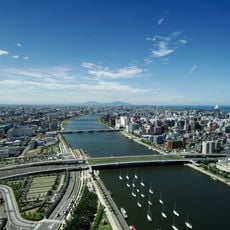
Hokuriku is a geographic region on the west coast of Honshu, the main island of Japan, comprising four prefectures: Niigata, Toyama, Ishikawa, and Fukui. The landscape runs along the Sea of Japan, ranging from coastal plains to high mountain ranges.
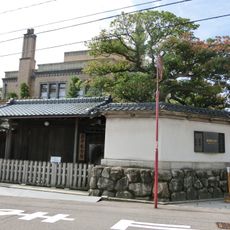
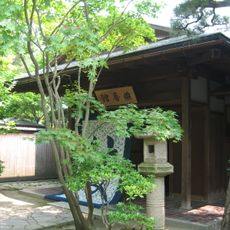
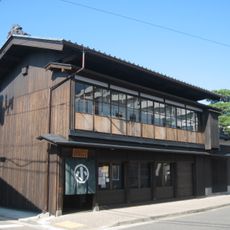
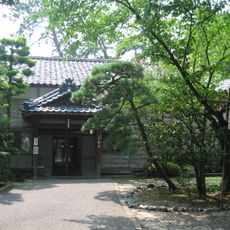
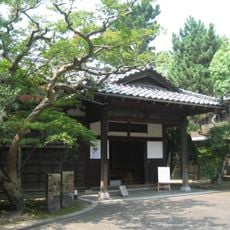
During the Edo period, the region sat on important trade routes between Kyoto and the northern provinces, leading to economic exchange and cultural development. Many traditional towns still preserve their historic districts from this era.
The region produces distinguished handicrafts including Kutani ceramics and Wajima lacquerware, reflecting generations of artisanal expertise in Japanese decorative arts.
The area is accessible through several regional airports, while the Hokuriku Shinkansen line offers direct connection from Tokyo to Kanazawa. Winter visitors should bring warm clothing and weatherproof gear, as snowfall can be substantial.
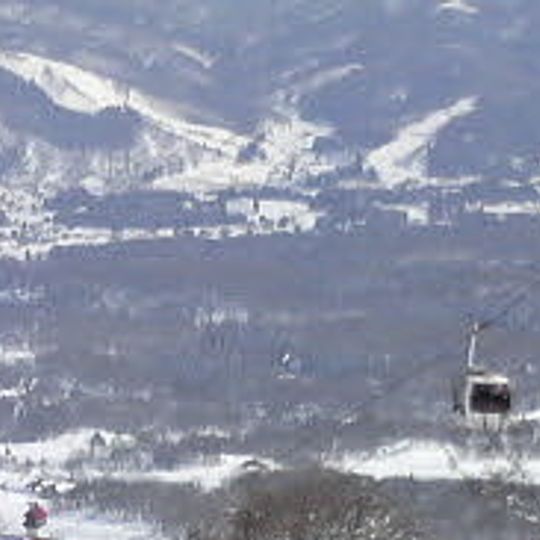
Heavy snowfall transforms the region into one of the snowiest inhabited areas on Earth during winter, with some towns buried several meters (10 feet) deep. The moist climate and cold temperatures also support traditional fermentation processes used in local sake production.
The community of curious travelers
AroundUs brings together thousands of curated places, local tips, and hidden gems, enriched daily by 60,000 contributors worldwide.