Noda Castle, Medieval fortress in Toyoshima, Japan.
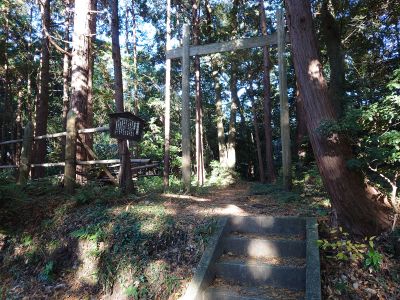
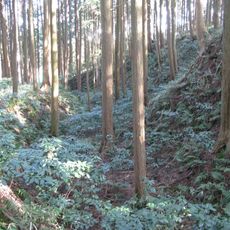
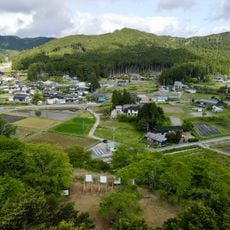
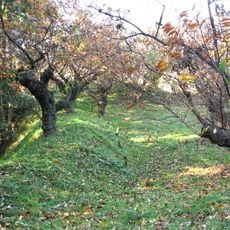
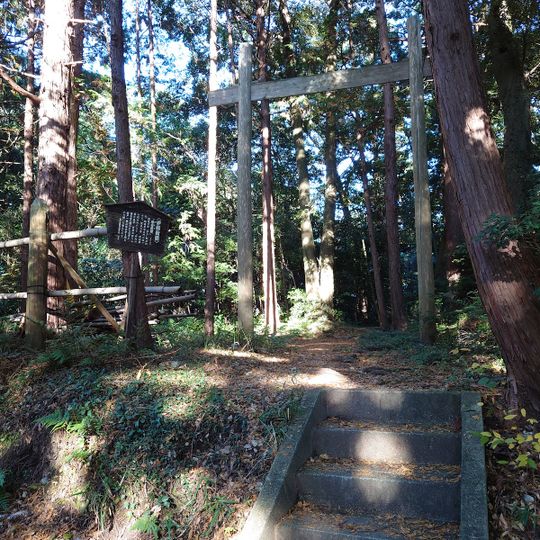
Noda Castle is a Japanese fortress composed of three baileys positioned on a north-south ridge and protected by earthen walls and deep moats along its eastern and western sides. The site covers an area where structures once stood, with the landscape still showing traces of the defensive system.
The fortress was built in 1505 by the Suganuma clan and changed hands multiple times during regional conflicts between the Imagawa, Tokugawa, and Takeda clans. By 1590, the castle fell out of use as the region came under unified control.
The castle layout reflects classical Japanese military design with connected baileys that once housed samurai residences arranged strategically along the Ina Highway. Visitors can still sense how the space was organized for both defense and daily life.
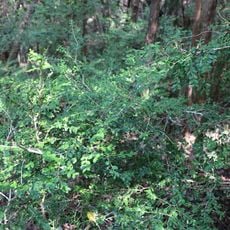
The ruins are accessible from JR Nodajo Station via a 15-minute walk through the surrounding area. The site features visible earthworks and old moats, though vegetation covers much of the ground, so sturdy footwear is recommended.
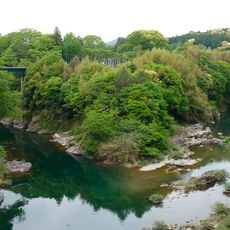
The fortress cleverly used natural ravines on both sides as defensive moats instead of requiring extensive excavation work. This design choice demonstrates how builders integrated the landscape into their military strategy.
The community of curious travelers
AroundUs brings together thousands of curated places, local tips, and hidden gems, enriched daily by 91,308 contributors worldwide.