Hakozaki Shrine, Shinto shrine in Hakozaki district, Fukuoka, Japan
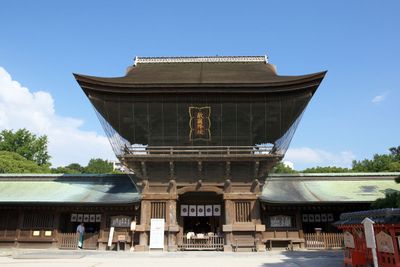
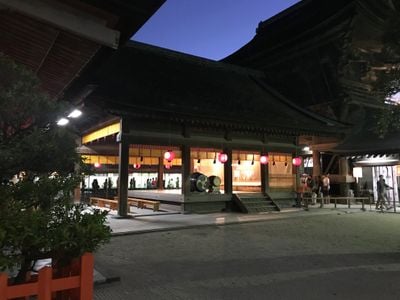
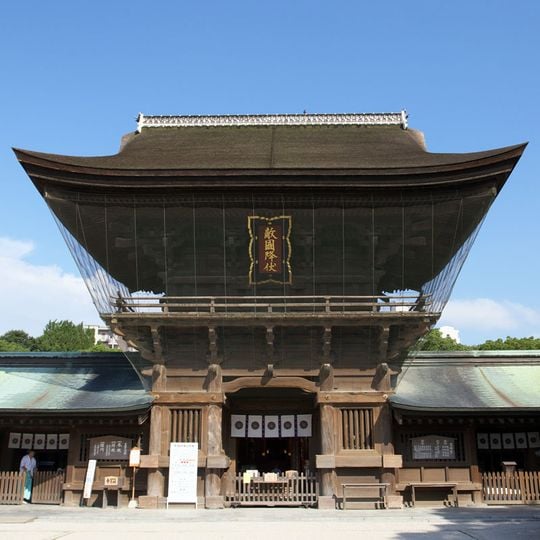
Hakozaki Shrine is a Hachiman sanctuary in Hakozaki district, Fukuoka, recognized as an Important Cultural Property of Japan. The compound spreads across open grounds with a main hall, worship hall, and several stone torii, all built in the nagare-zukuri style distinguished by forward-sloping roofs.
The sanctuary was founded in 923 and served for centuries as a spiritual center for the region. The Mongol invasion of 1274 destroyed much of the compound, prompting extensive rebuilding that shaped its current form.
The name Hakozaki refers to a wooden box that holds sacred remains, giving the site a layered meaning visitors still honor when they approach the inner precincts and observe ritual gestures performed at specific points within the grounds.
Visitors can walk through the grounds daily and view the buildings from outside, though certain areas remain open only during ceremonies. The Tamaseseri Festival on January 3 and the Hojoya Festival from September 12 to 18 draw large crowds and offer insights into local customs.
An ancient pine tree named Hakomatsu stands behind a vermilion fence and marks the spot where a sacred placenta was buried. Pilgrims bring small offerings to this tree and leave them among its roots.
The community of curious travelers
AroundUs brings together thousands of curated places, local tips, and hidden gems, enriched daily by 91,713 contributors worldwide.